
 History
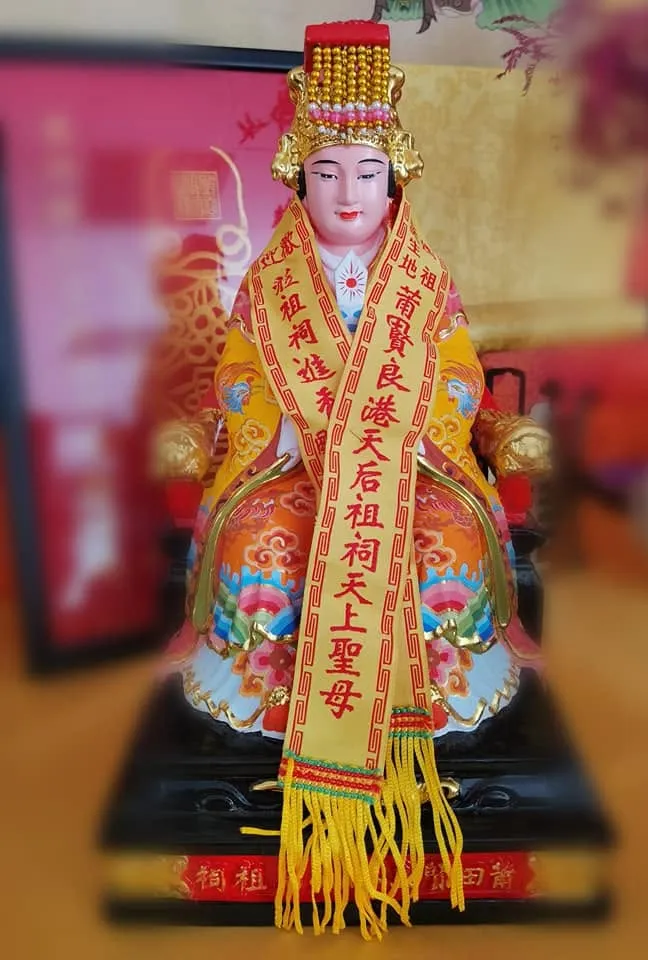
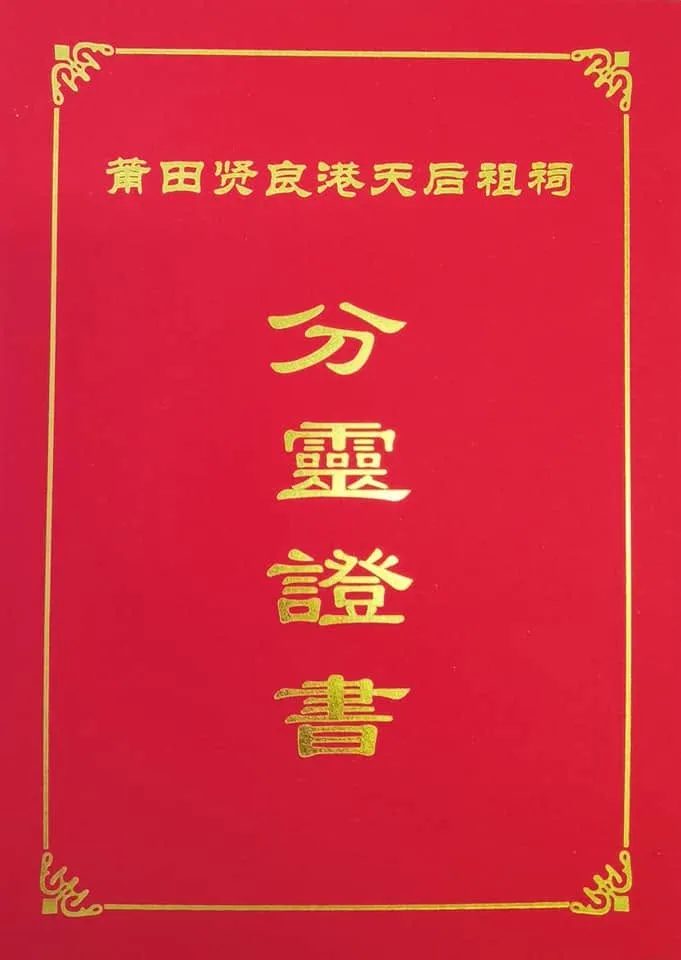
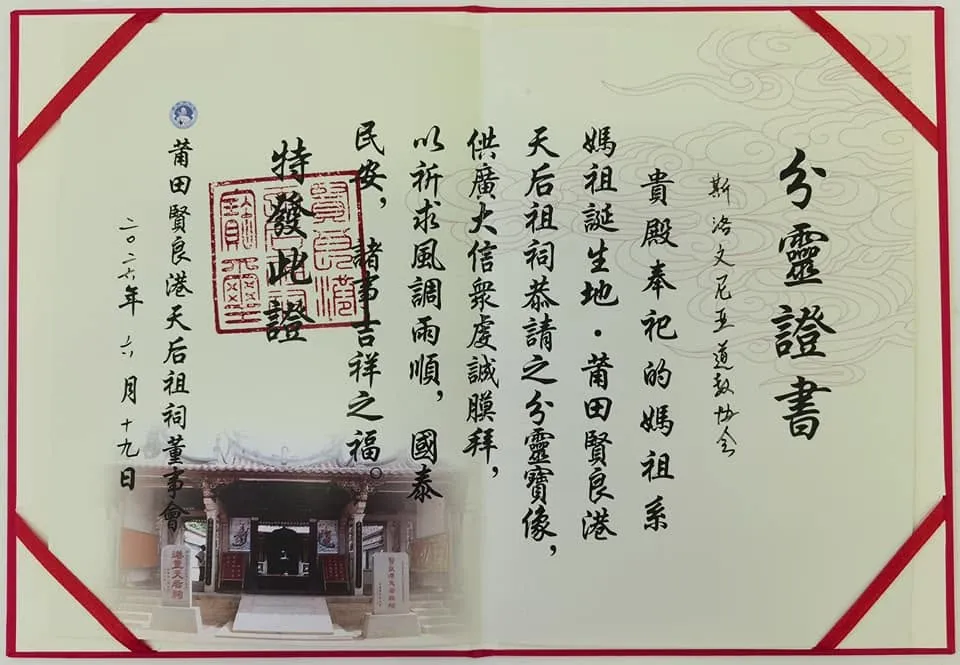
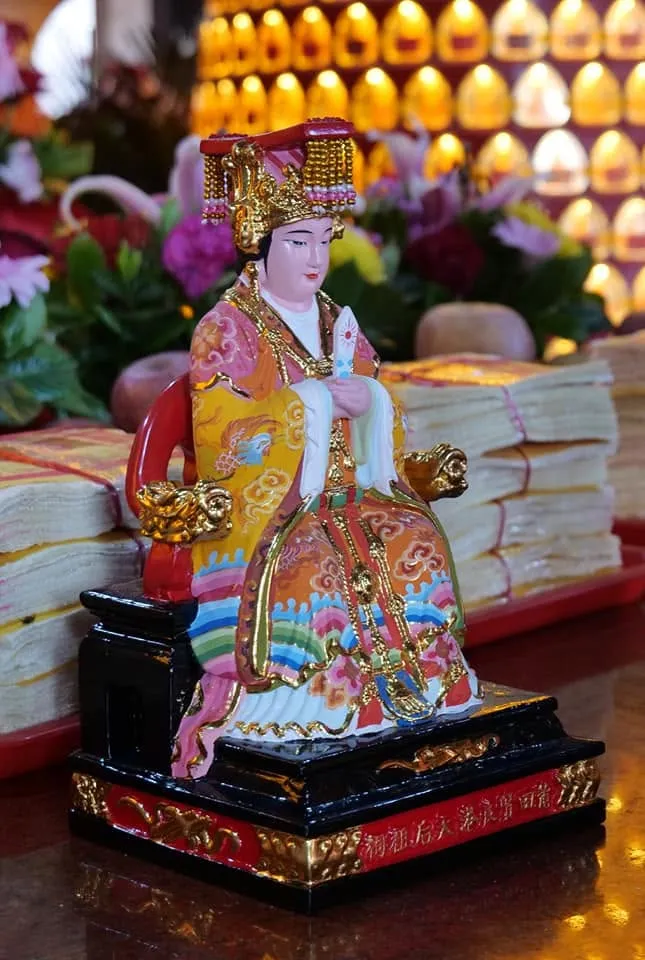
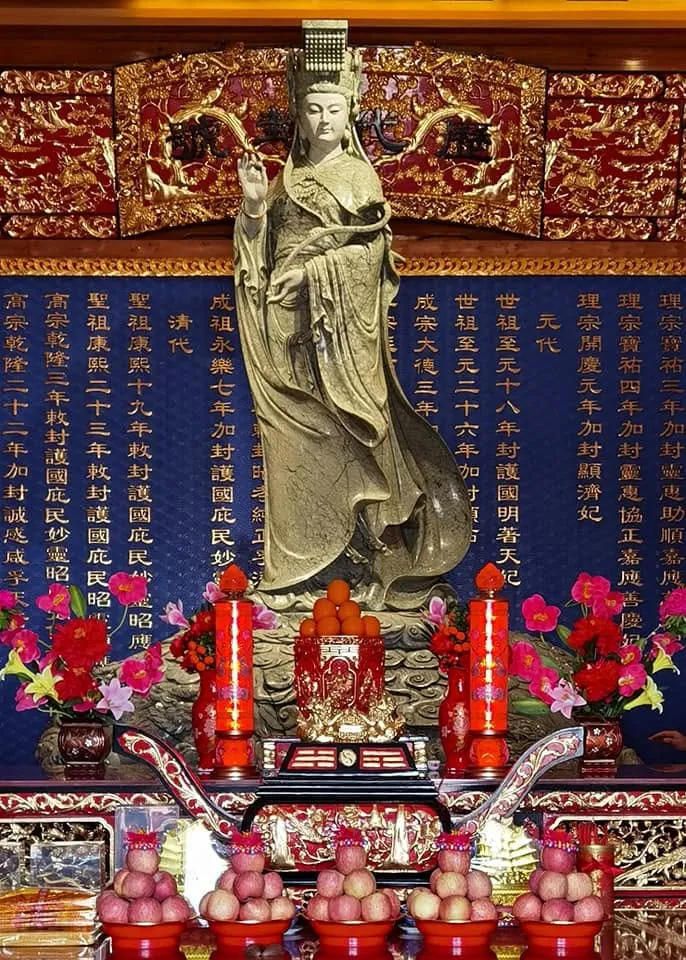
Consecrated replica of the statue of Mazu from the ancestral shrine at Xianlianggang Temple in Putian for the Slovenian Daoist Temple of Supreme Harmony
Mazu Ancestral Temple in Xianlianggang, Putian
(originally founded in 954 CE)
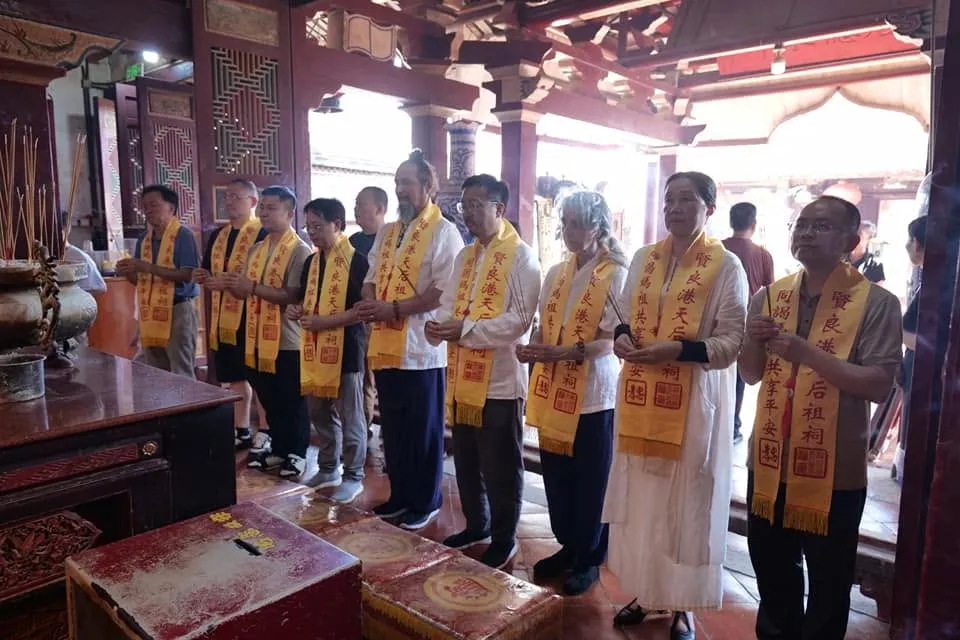
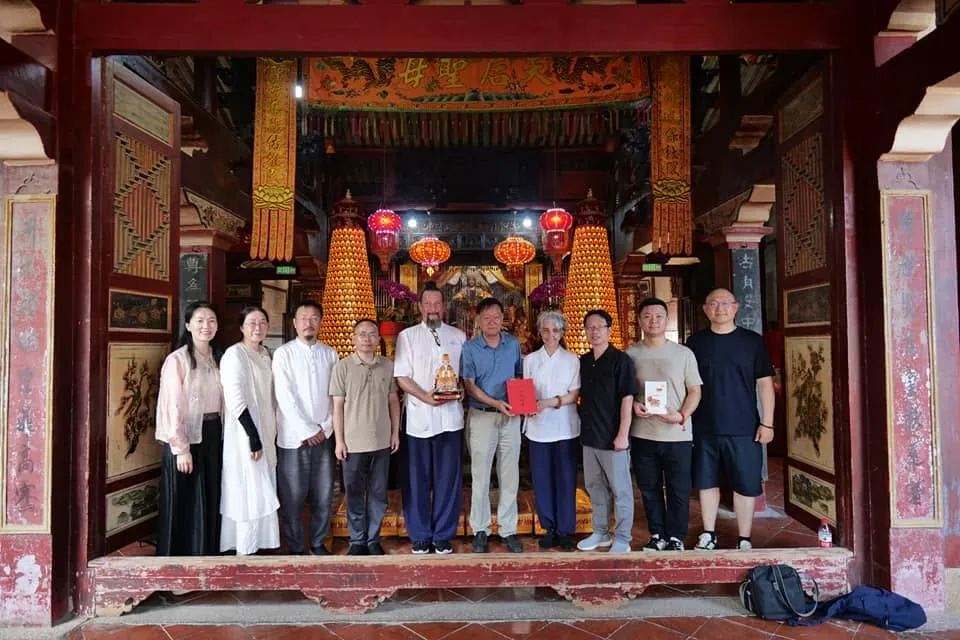
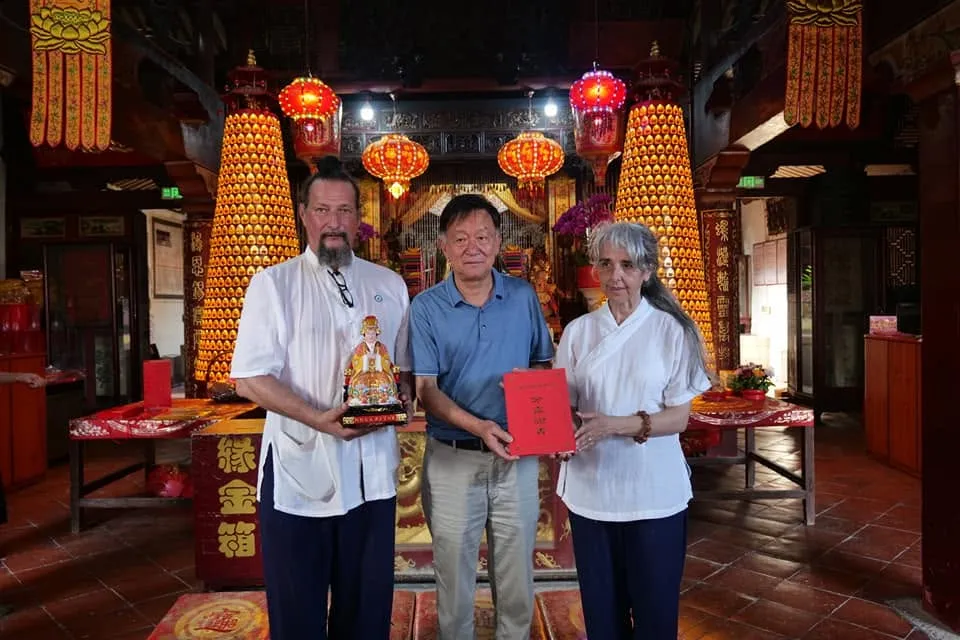
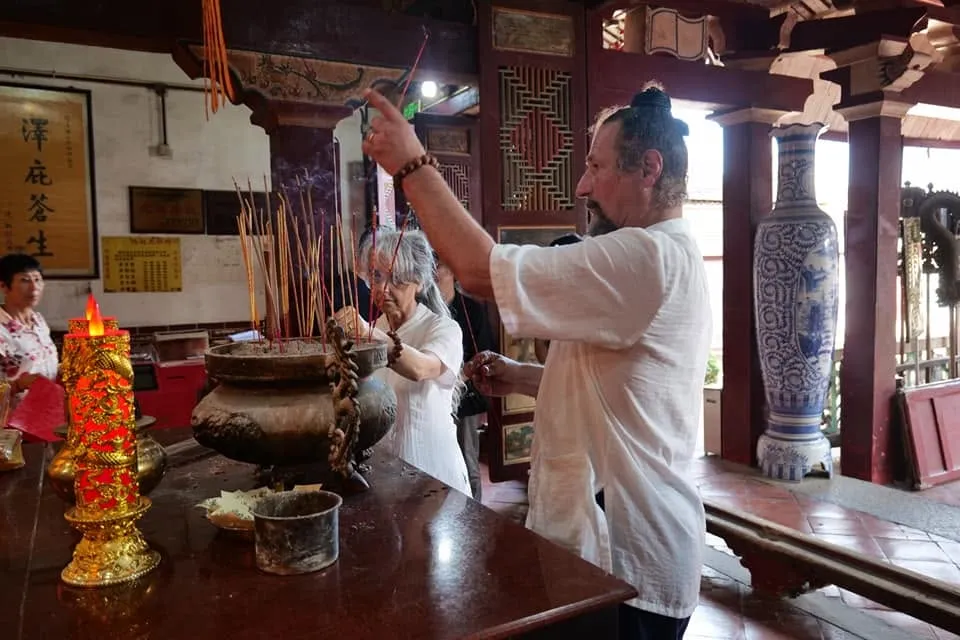
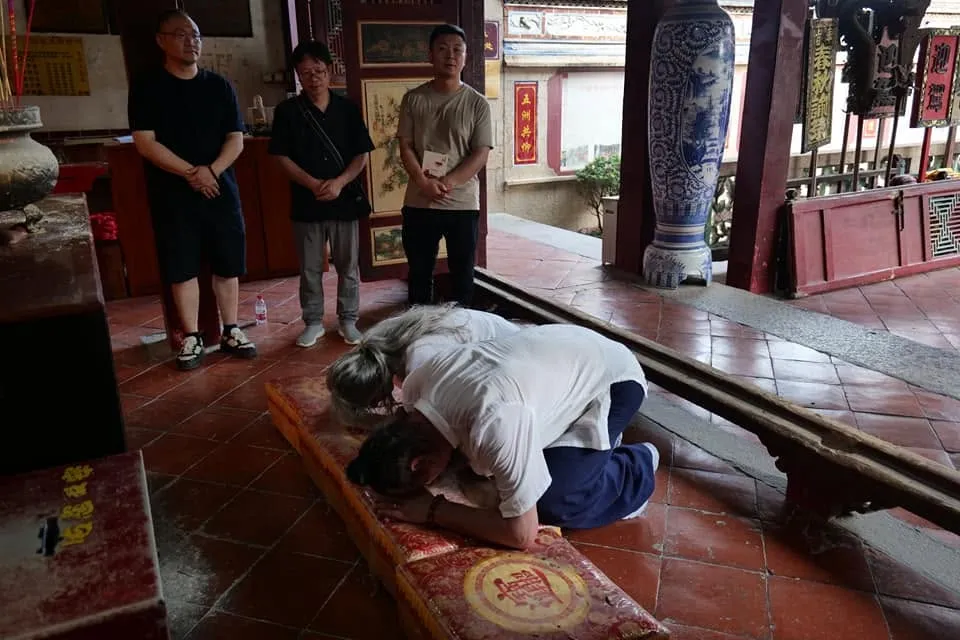
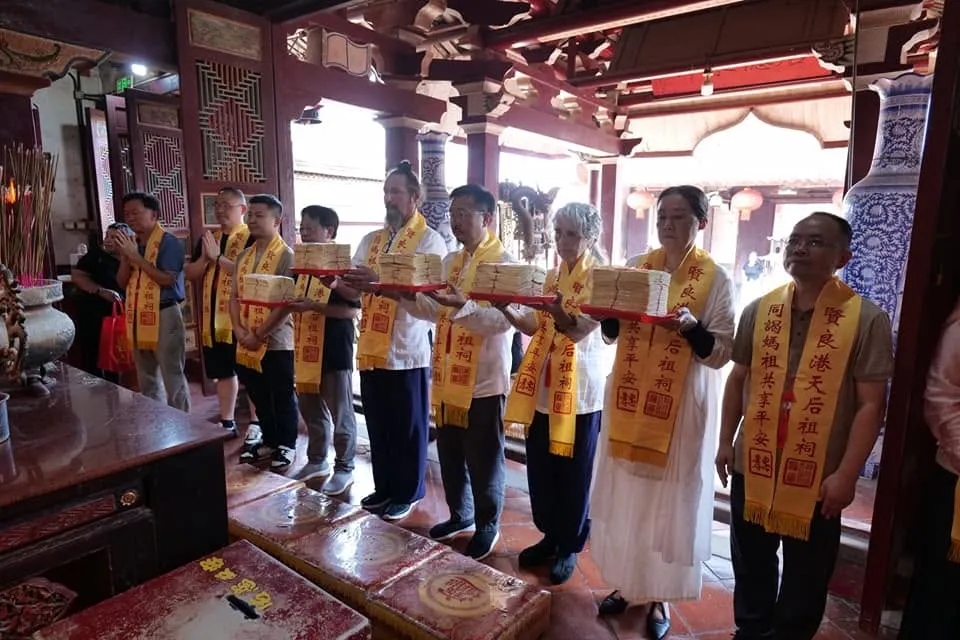
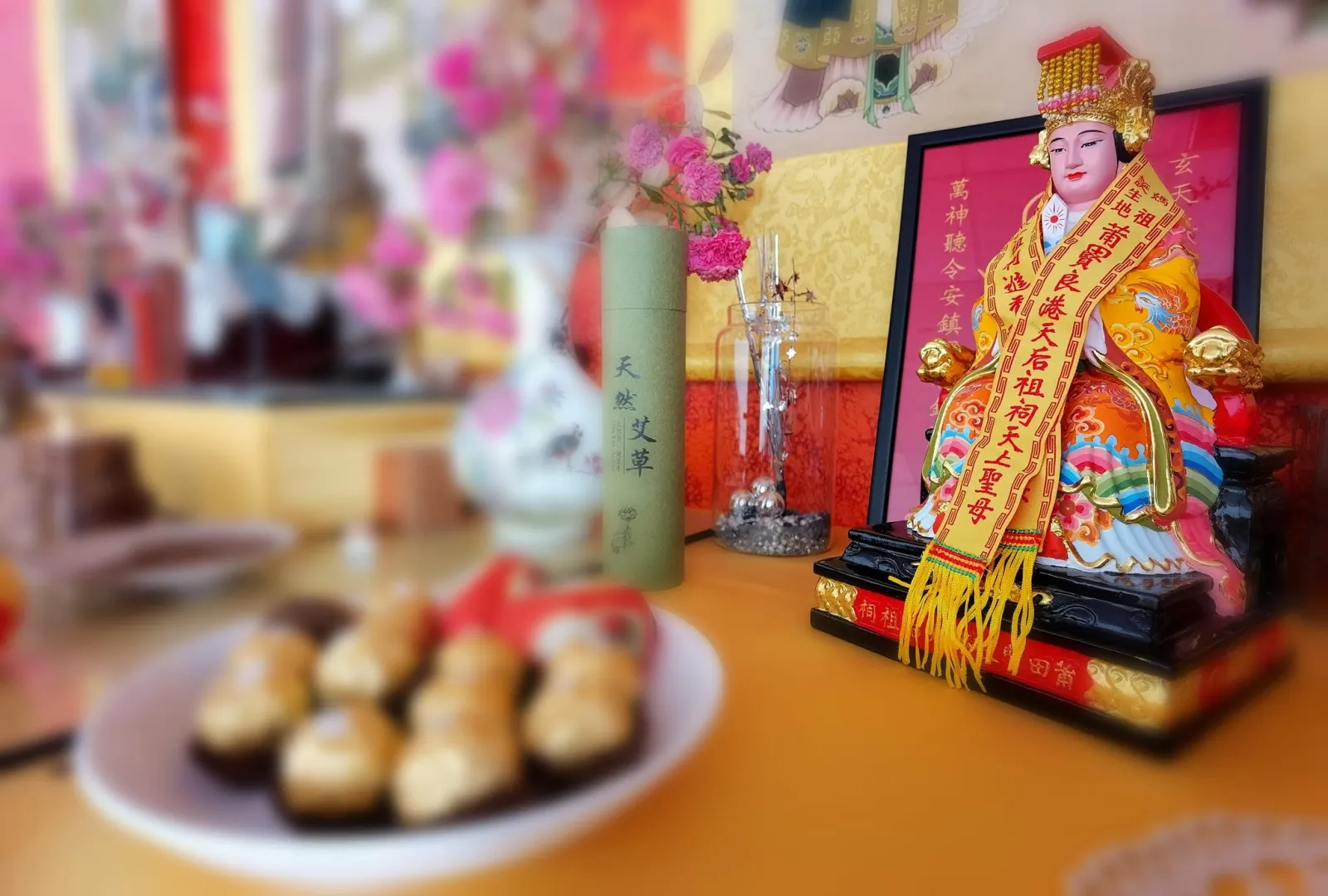
On June 19, 2026, the Slovenian Daoist Temple of Supreme Harmony was presented with a consecrated and officially registered replica statue of the goddess Mazu (a historical figure whose maiden name was Lin Mo, 960–987). The statue is a smaller replica of the original statue from the Song dynasty period, which is venerated in the Mazu Ancestral Temple in Xianlianggang, in the city of Putian, Fujian Province. This was an exceptional honor for the Slovenian Daoist community, as it is the first such gift of a consecrated and registered statue of the goddess Mazu to a European Daoist community.
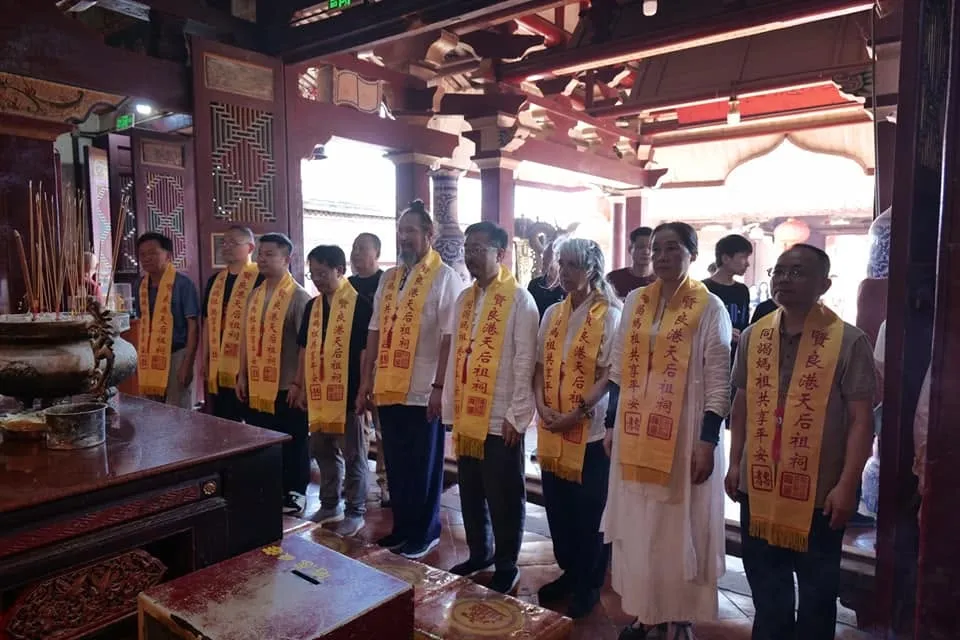
Distinguished representatives of academic and religious institutions were present at this solemn occasion: Professor Huang Yongfeng, Director of the Research Center for Daoist Studies and Traditional Culture at Xiamen University; Mr. Lin Zidi, Chairman of the Board of Directors of the Mazu Ancestral Temple in Xianlianggang, Putian; Research Fellow Zeng Wei from the Office of International Cooperation and Exchange and the Mazu Culture Research Institute of Putian University; Daoist Master Shi Luosheng, Abbot of Fuhai Temple in Rudong, Nantong, Jiangsu Province, Daoist Master Xiao Luoling, Administrative Director of the same temple; and Daoist Master Zhou Luoze, President of the Belarusian Taoist Association and many other esteemed hosts and representatives of institutions dedicated to preserving the Daoist tradition and Mazu culture.
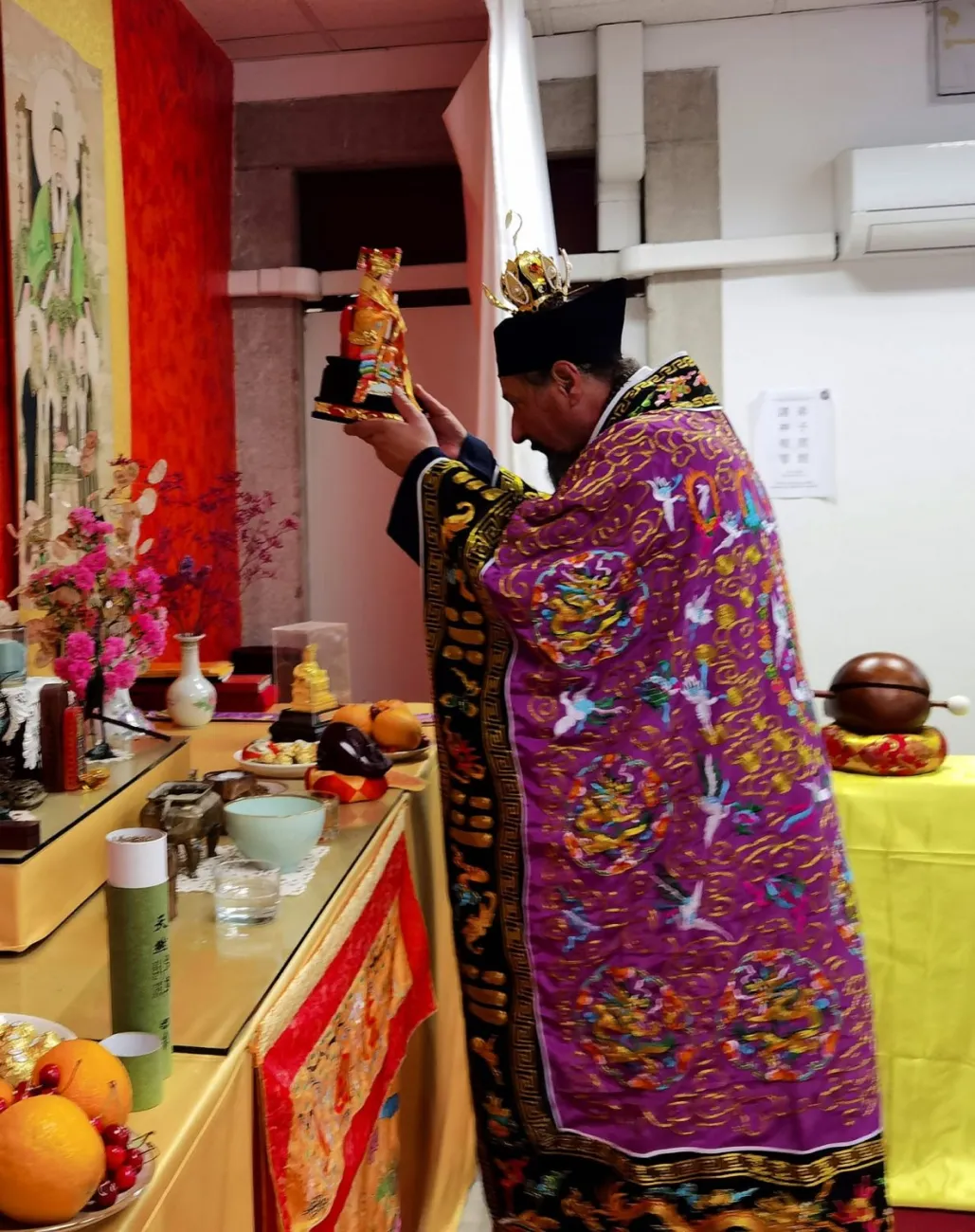
The goddess Mazu arrived in Slovenia in the early morning hours of June 21, 2026, on the day of the summer solstice. She was ceremonially placed on the altar of the Slovenian Daoist Temple of Supreme Harmony during a ritual dedicated to Lingbao Tianzun. From that moment onward, she has represented a precious symbol of spiritual connection between the Slovenian and Chinese Daoist communities, as well as a lasting remembrance of the friendly and spiritual bonds formed during the delegation’s visit to Putian and Xiamen.
The goddess Mazu, whose birth name was Lin Mo, was born in 960 on Meizhou Island off the coast of Fujian Province and lived during the early Song dynasty. According to tradition, from a young age she displayed exceptional spiritual abilities, wisdom, and compassion. She was known for her willingness to help people in distress, especially sailors and fishermen, who were often exposed to the dangers of the sea. After her death in 987, her veneration spread rapidly among coastal communities, and later throughout China and far beyond its borders.
Mazu is regarded as the protectress of the seas, sailors, fishermen, merchants, pilgrims, and travelers. Devotees ask her for safe voyages and protection from accidents, natural disasters, and the trials of life. In a broader spiritual sense, she represents maternal care, benevolence, mercy, inner strength, and the willingness to help all beings. Because of these qualities, she has become a universal symbol of protection, harmony, compassion, and blessing.
Today, the goddess Mazu is venerated by several hundred million people around the world. Her temples and shrines are found throughout China, in Taiwan, Hong Kong, and Macau, as well as in Singapore, Malaysia, Indonesia, Vietnam, the Philippines, Japan, South Korea, Australia, North and South America, and elsewhere where communities of Chinese origin live. Mazu thus represents one of the most important unifying spiritual figures of Chinese civilization and the global Chinese diaspora.
The cultural heritage connected with her veneration also holds a special place. Rituals, celebrations, pilgrimages, and traditional practices associated with the goddess Mazu form an important part of the intangible cultural heritage of humanity and an important bridge of cultural dialogue among people of different nations and cultures.
The donated replica statue therefore carries multiple layers of meaning. As a smaller replica of the original statue from the Song dynasty period, it represents a direct spiritual connection with the ancestral temple in Xianlianggang and symbolizes more than a thousand years of uninterrupted tradition in the veneration of the goddess Mazu. At the same time, it confirms the establishment of lasting bonds of friendship, cooperation, and mutual respect among Slovenian and Chinese Daoist, cultural, and academic institutions.
The placement of the consecrated statue of the goddess Mazu in the Slovenian Daoist Temple of Supreme Harmony represents an important historical milestone in the development of Daoism in Slovenia and Europe. At the same time, it serves as a bridge between East and West, between different cultural lineages and spiritual traditions, and as a symbol of mutual respect, friendship, and a shared commitment to preserving the rich spiritual and cultural heritage of humanity for future generations.