
 History
Invitation from the President of the Malaysian Daoist Federation to Kuala Lumpur
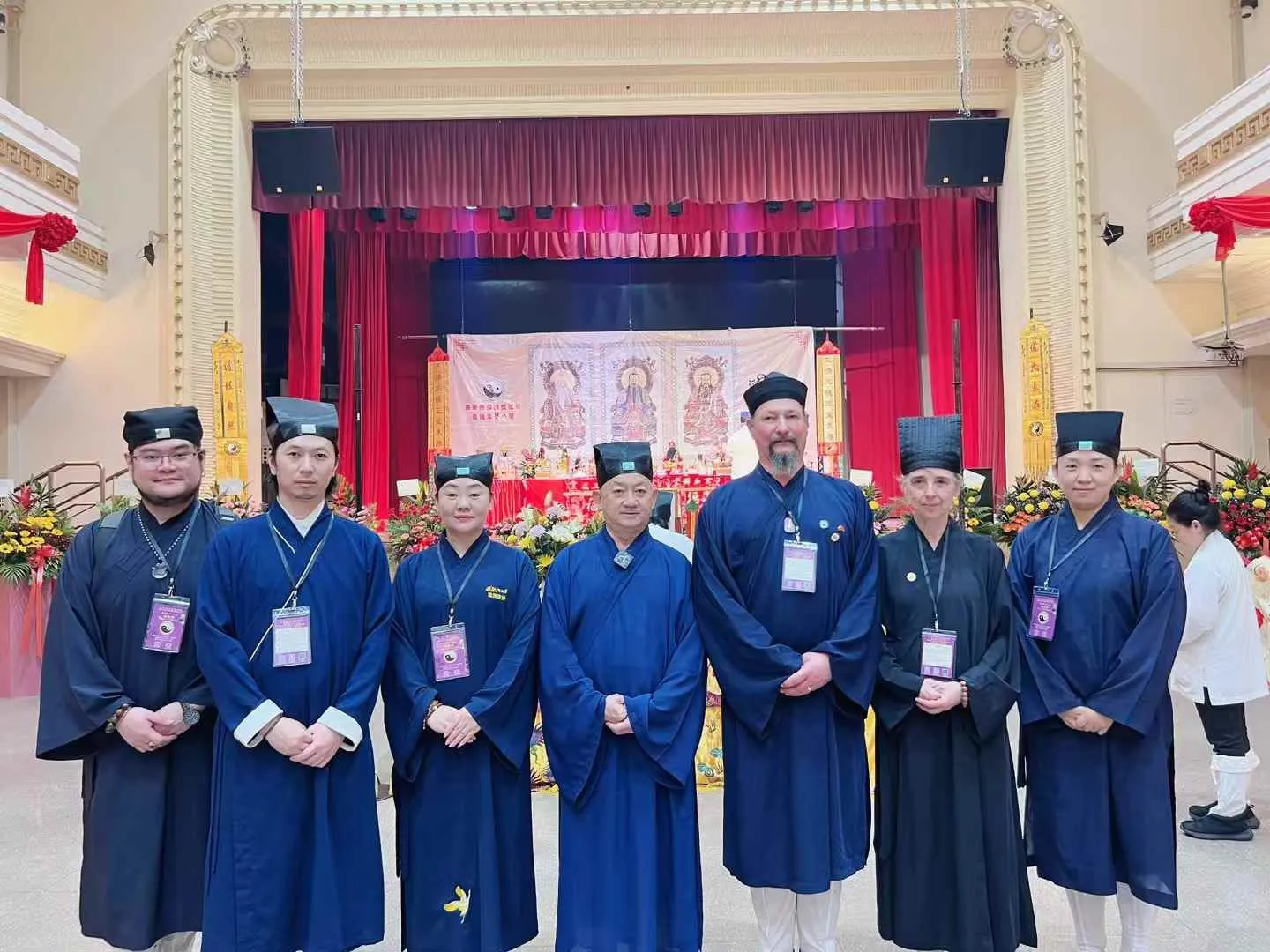
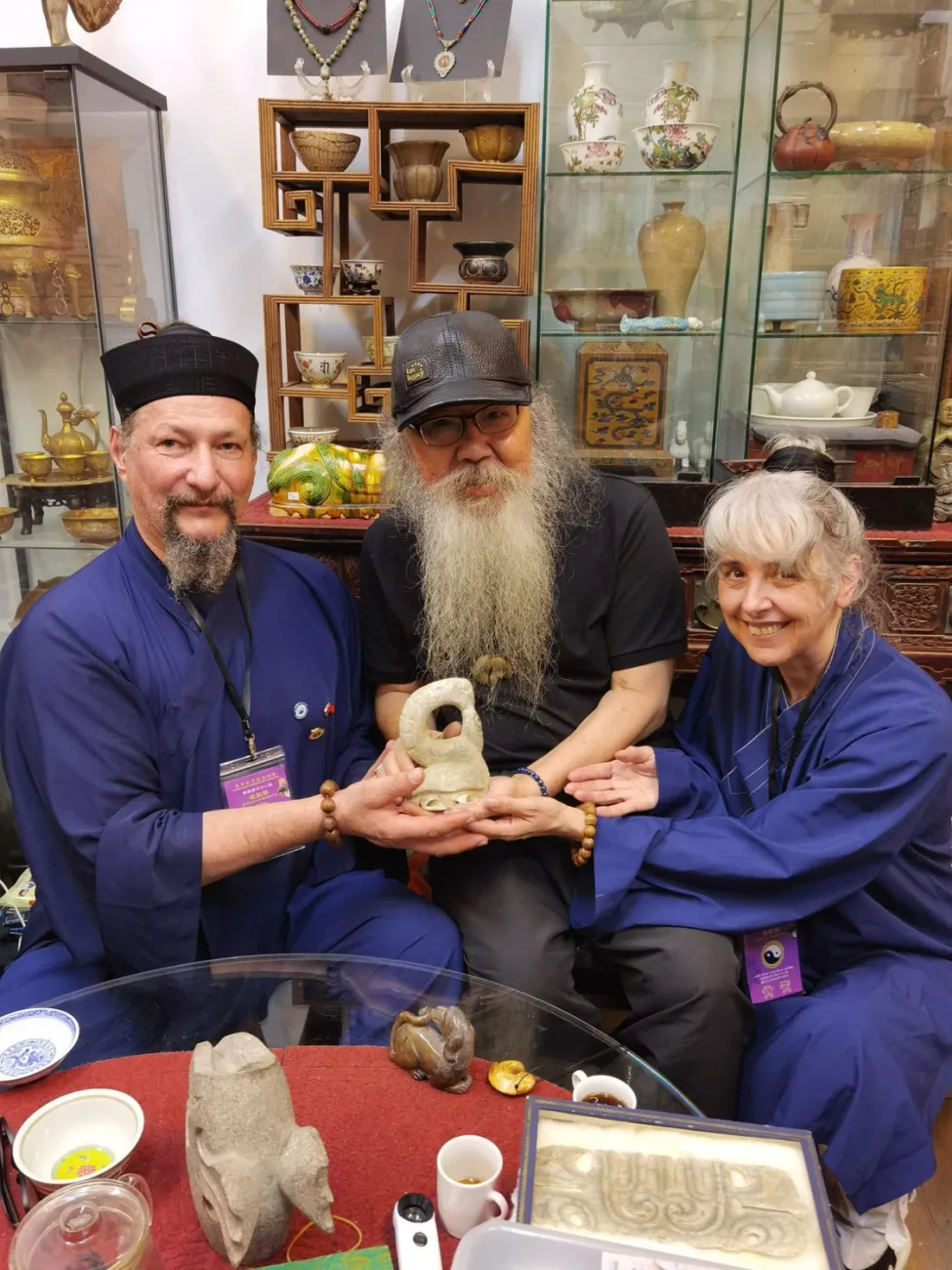
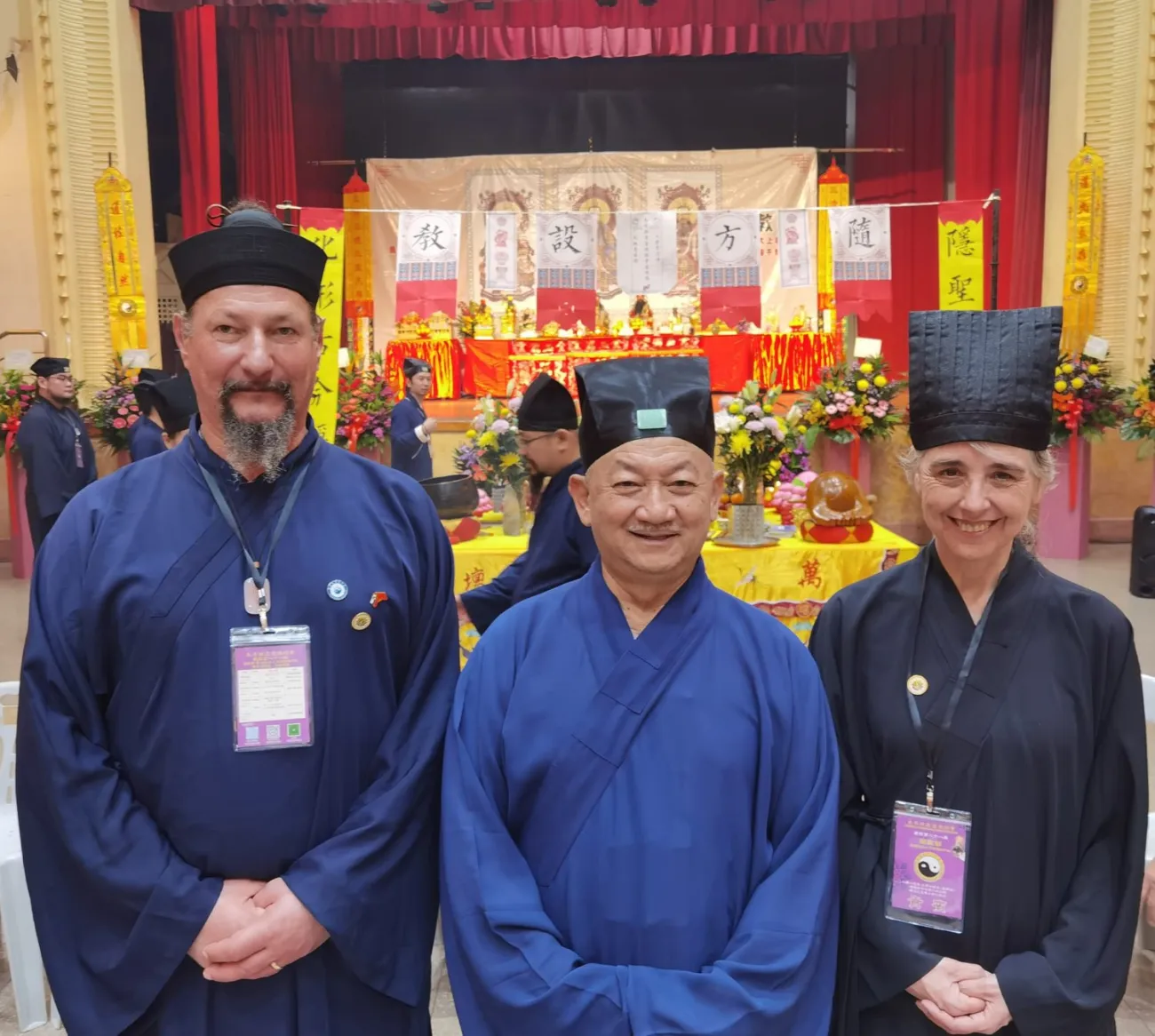
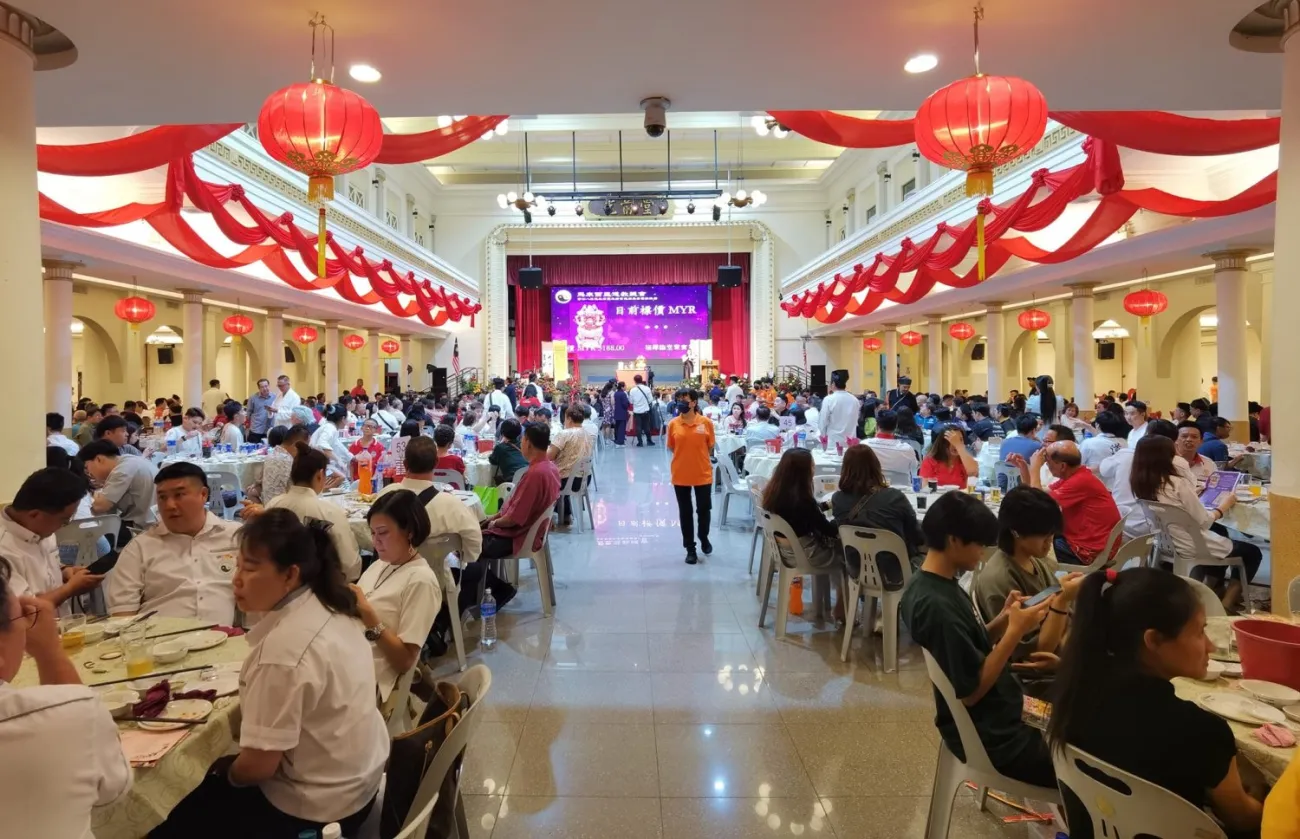
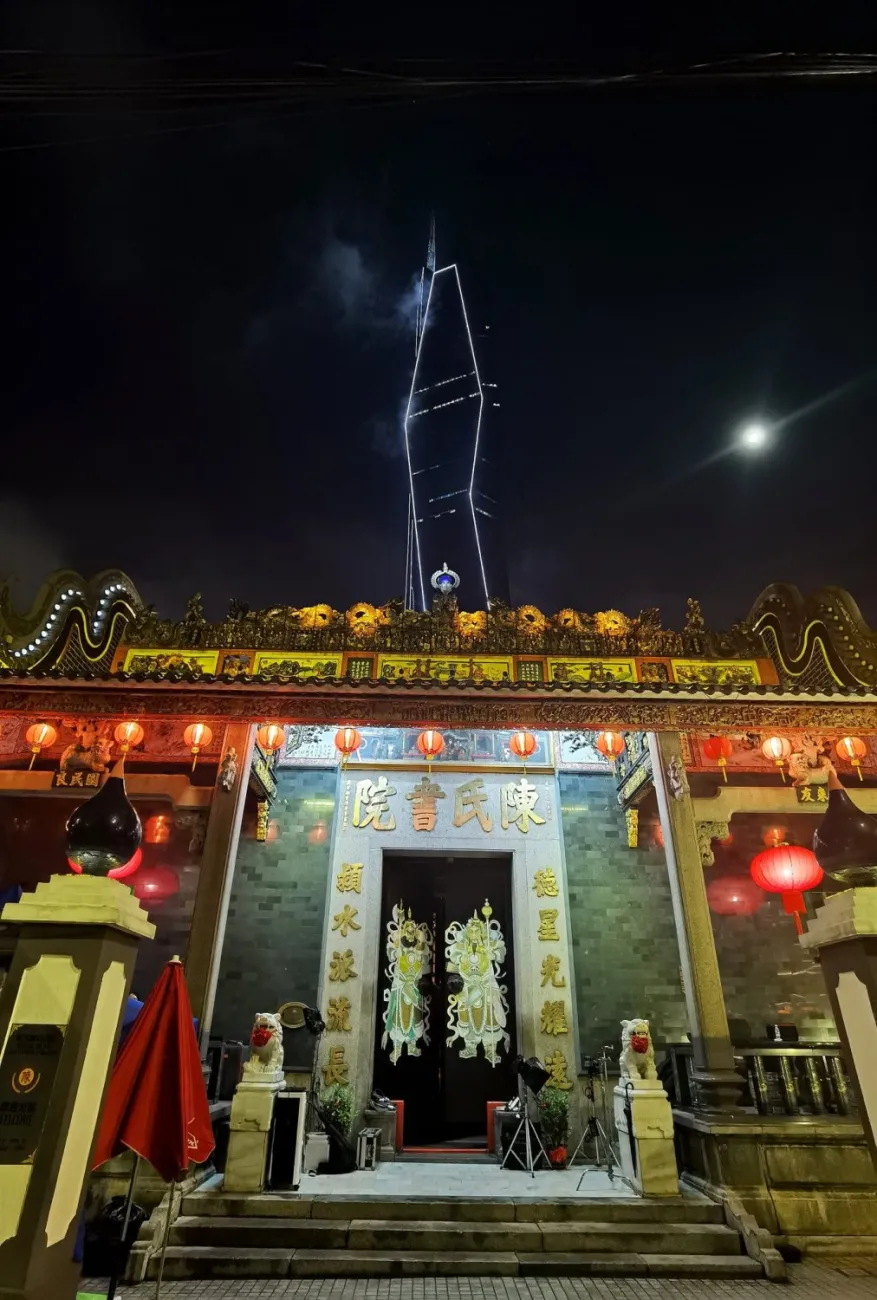
At the invitation of Tan Hoe Chieow, President of the Malaysian Daoist Federation, the Rector and Vice-rector of SDT travelled to Malaysia’s capital, Kuala Lumpur, in March 2025. We were the only representatives of the World Federation of Daoism from Europe. We attended a ceremony in honor of Laozi, the founder of Daoism, where representatives of Daoist communities from Malaysia, Macau, Hong Kong, China, and Australia took part.
Malaysia, a country in Southeast Asia, is known for its remarkable cultural diversity and rich history. Its past was strongly shaped by trade routes between the Indian Ocean and the Pacific, as well as by the influences of various civilizations. The Malacca Sultanate played an important role as a key commercial and cultural center. In later periods, the region was marked by European colonial influences—from the Portuguese and the Dutch to the British, who established their dominance in the 19th century and formed the Federation of Malaya.
In 1957, the country gained independence, laying the foundations for modern Malaysia. Today, Malaysia is a multicultural society in which the Chinese community also plays an important role, preserving its religious and cultural traditions. Daoism is therefore an important part of religious life, often interwoven with Buddhism and Confucianism.
In cities such as Kuala Lumpur and George Town, numerous Daoist temples are active, holding ceremonies, rituals, and festivals. Among the more important is the Hungry Ghost Festival, which reflects respect for ancestors and the spiritual world.
Daoism in Malaysia thus represents a living and dynamic part of cultural heritage, as well as an important bridge between tradition and modern life.
Malaysian Tea
Malaysia’s tea industry is smaller in comparison with major producers such as China or India, but it has a distinctive character shaped by its history and specific natural conditions. The best-known growing area is the Cameron Highlands, where the British established the first tea plantations in the 1920s.
The cool climate and hilly terrain allow for the high-quality cultivation of the tea plant, which has thrived in this region for almost a century. Another important growing area is Sabah on the island of Borneo, where organic tea production is developing in particular. The main varieties include naturally grown black tea and organic tea from Borneo, known for its milder and more natural taste.
A distinctive feature of Malaysian tea culture is Teh Tarik, the so-called “pulled tea,” made by pouring tea back and forth between two vessels, creating its characteristic foam and creamy texture. The tea is usually prepared with condensed milk and is one of the most recognizable symbols of everyday Malaysian culture.
Teh Tarik is a popular part of daily meals and is often enjoyed in mamak restaurants, traditional eateries open 24 hours a day, together with dishes such as the layered flatbread roti canai.