

 History
Between Heaven, Earth, and the Heart: A Meeting with Michael R. Saso
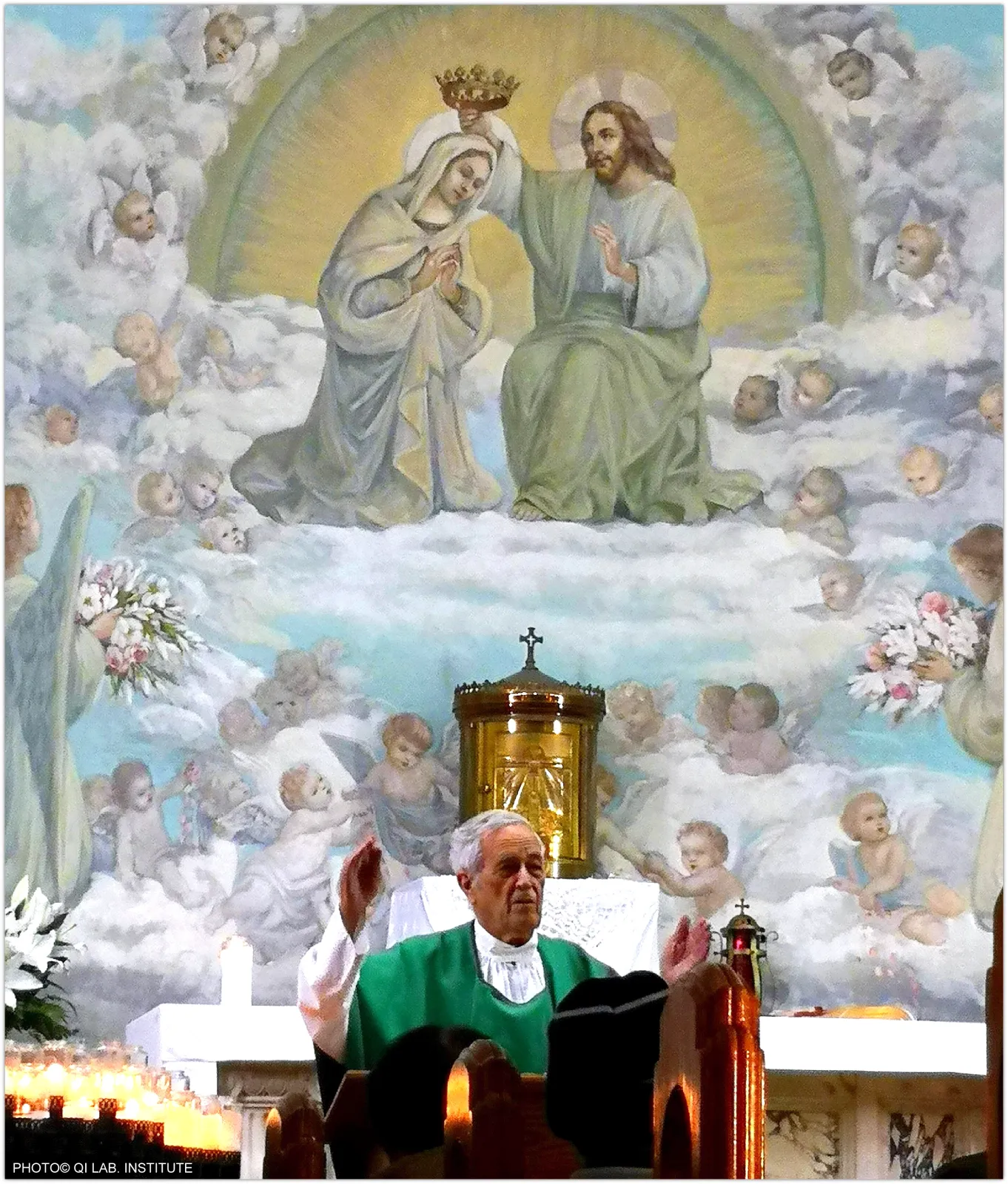
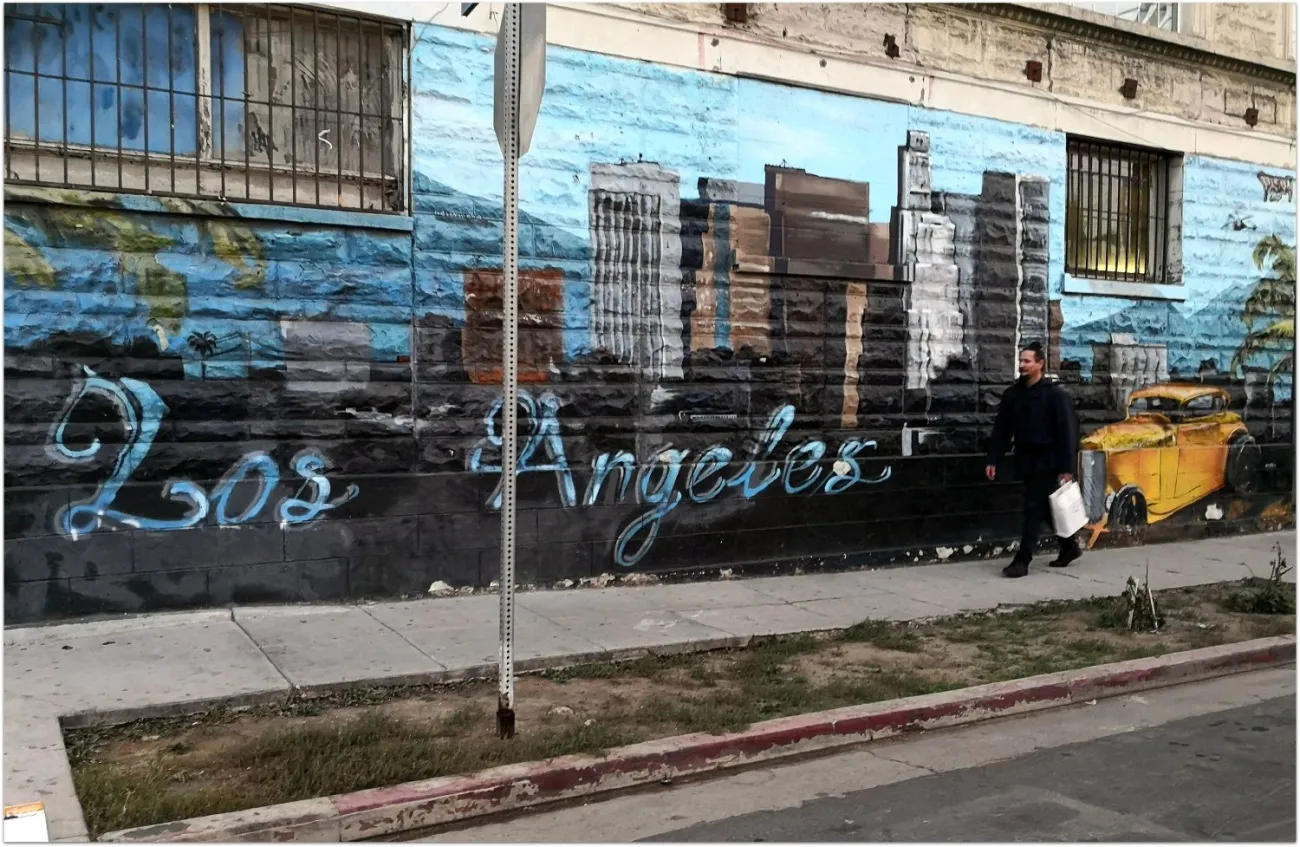
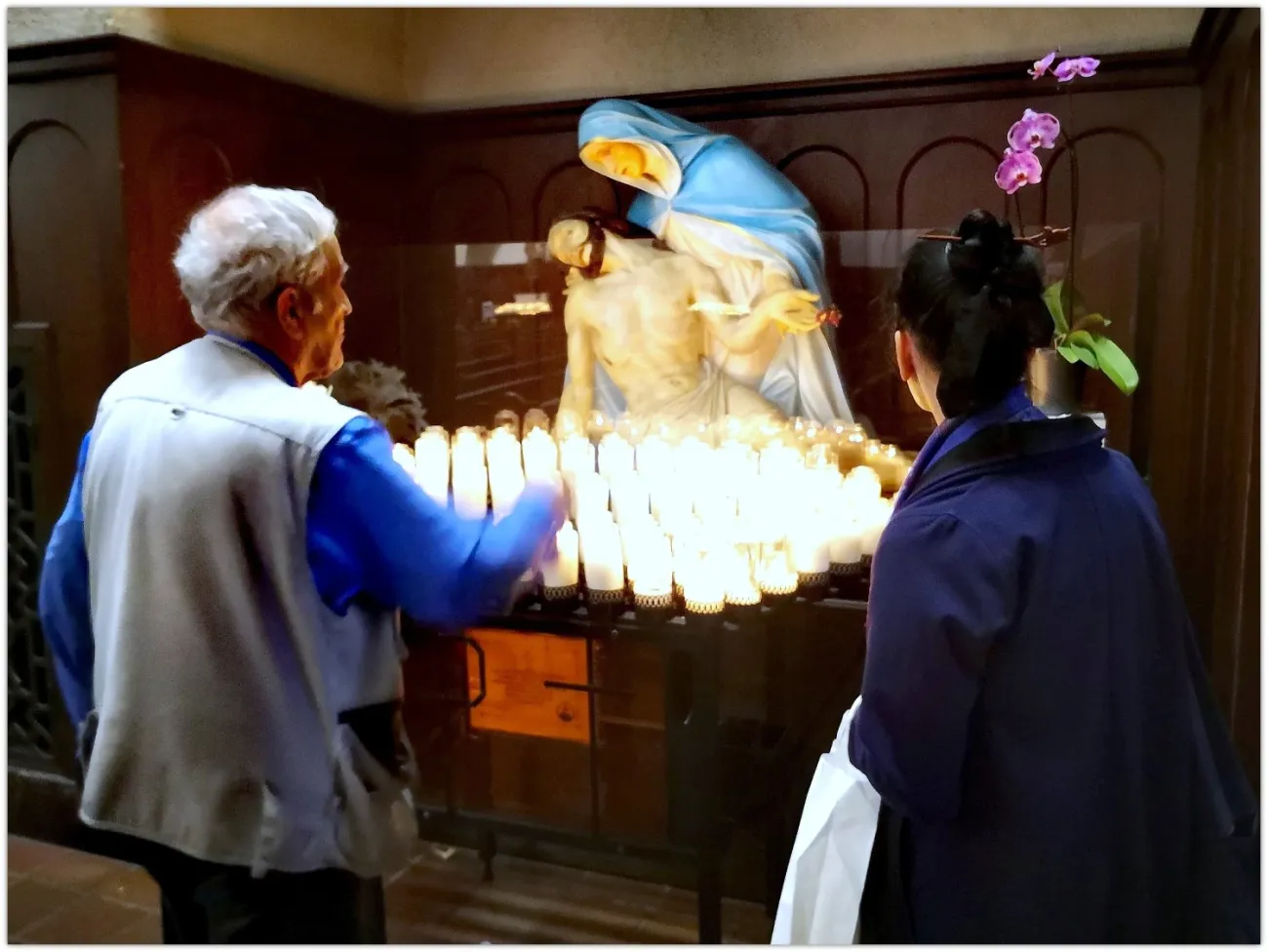
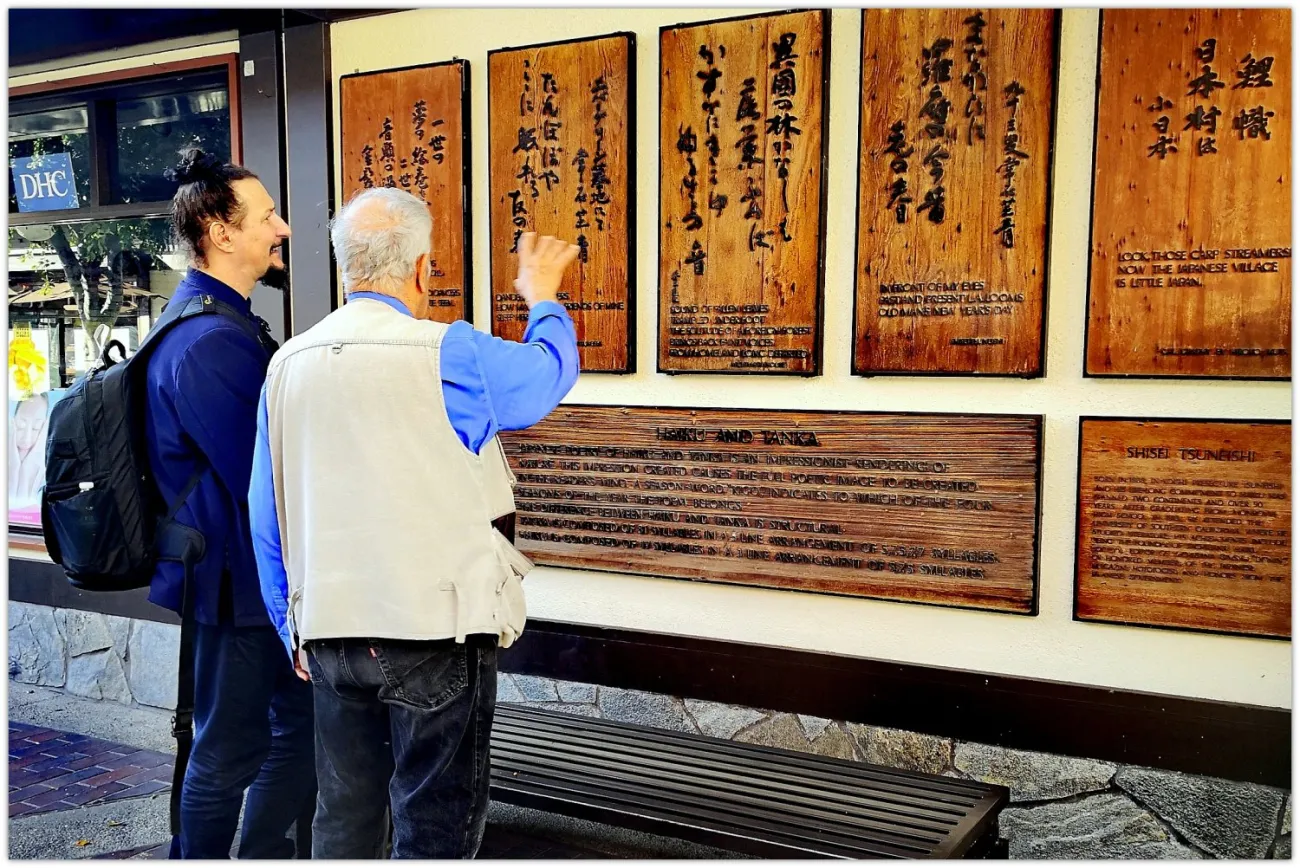
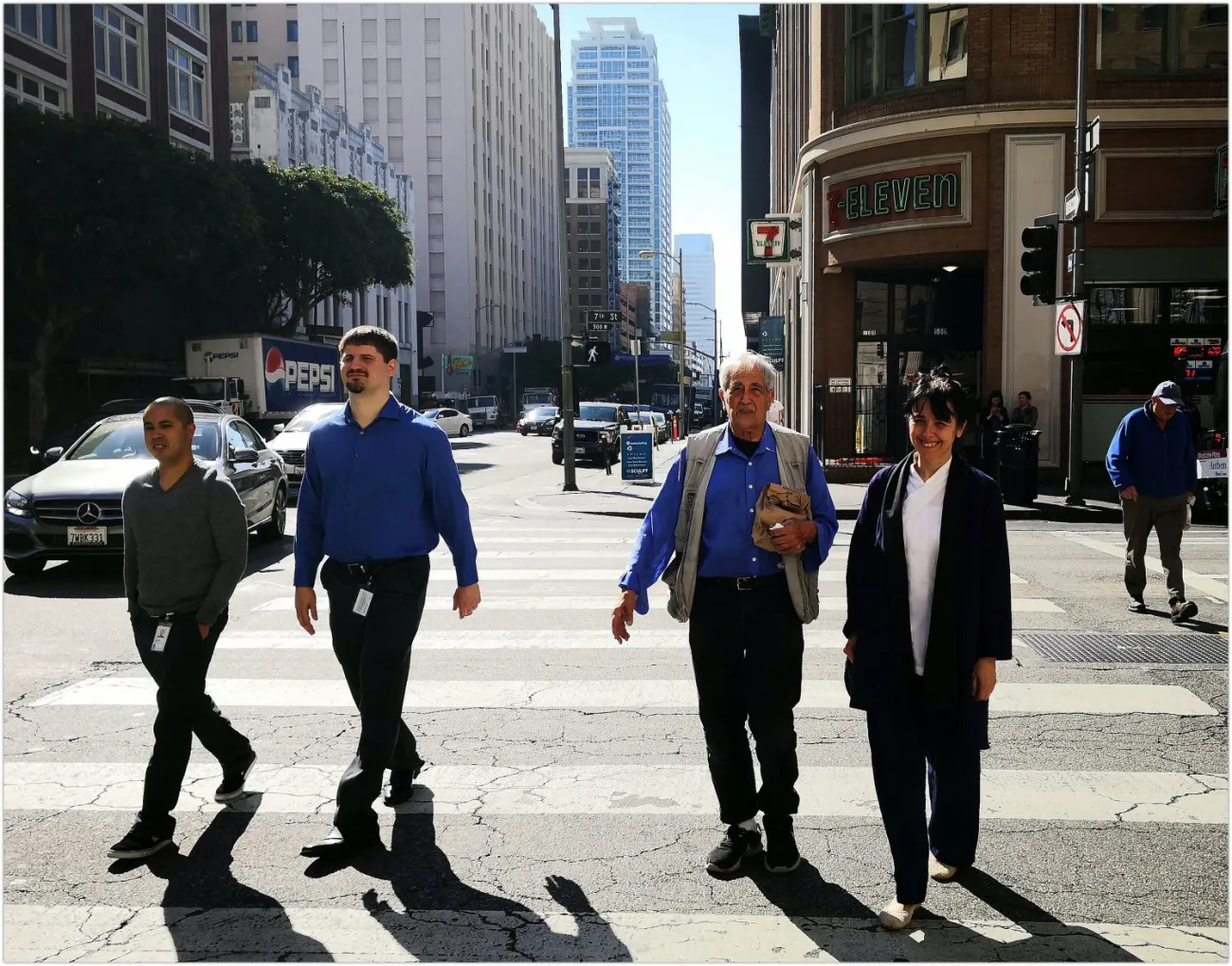
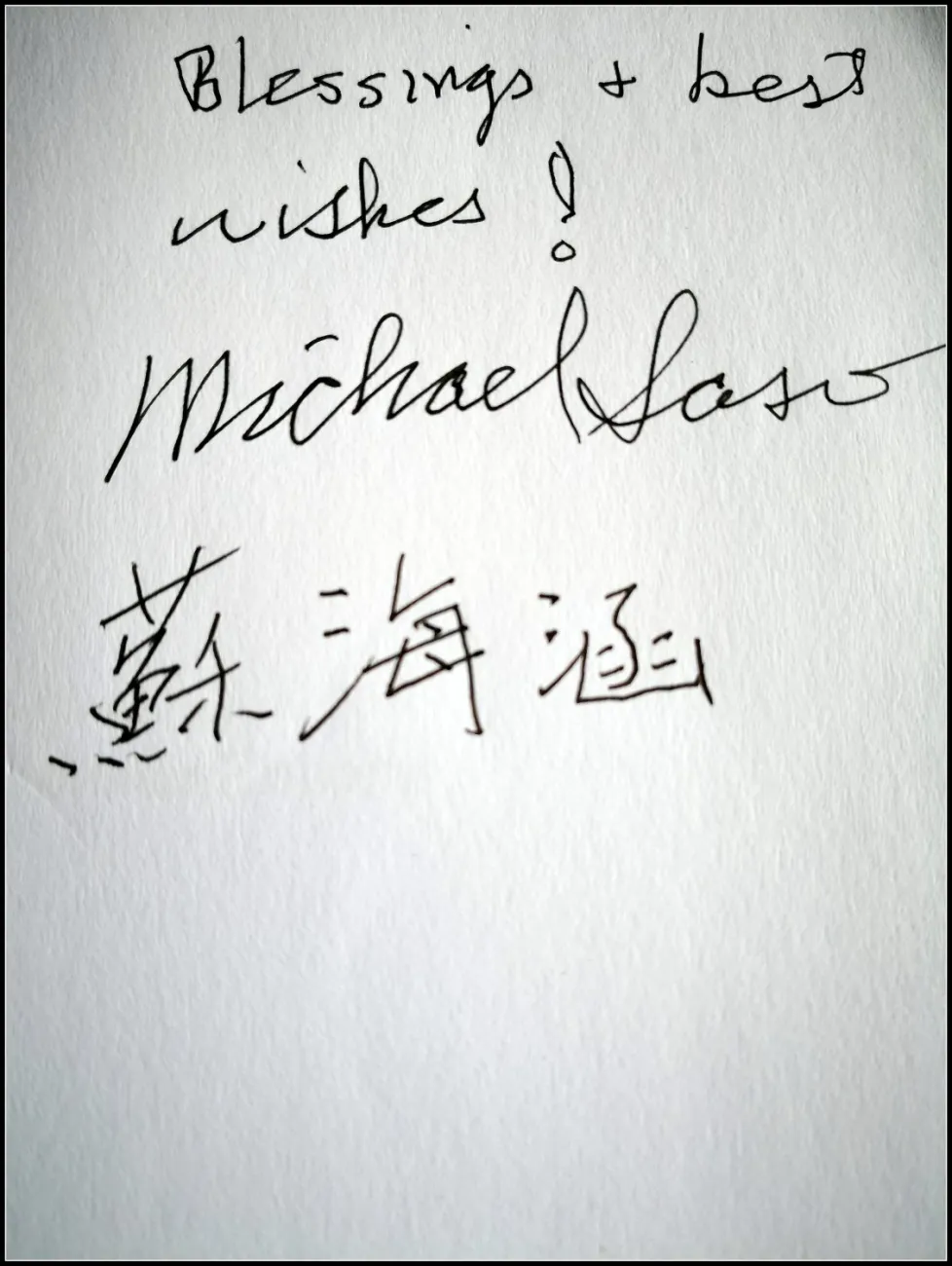
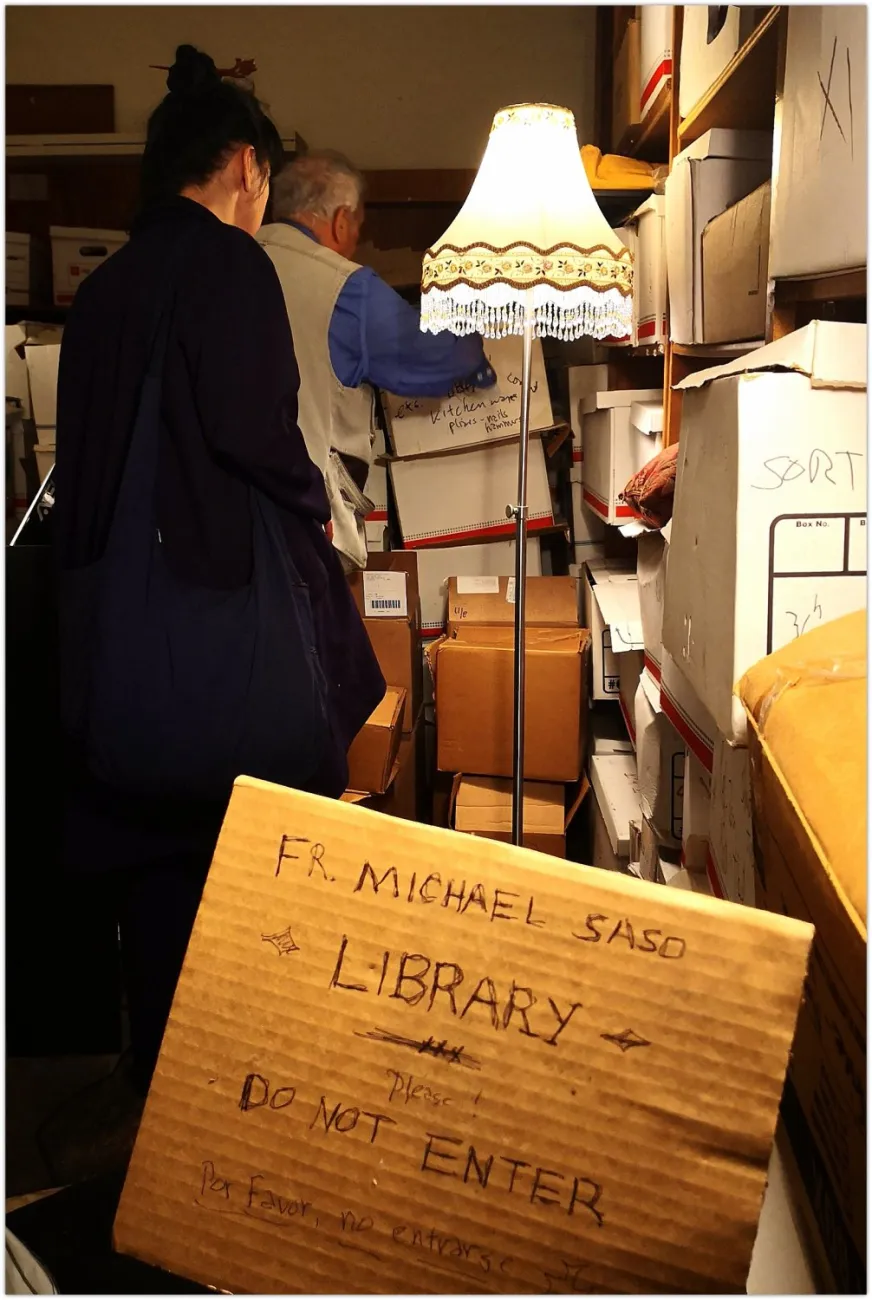
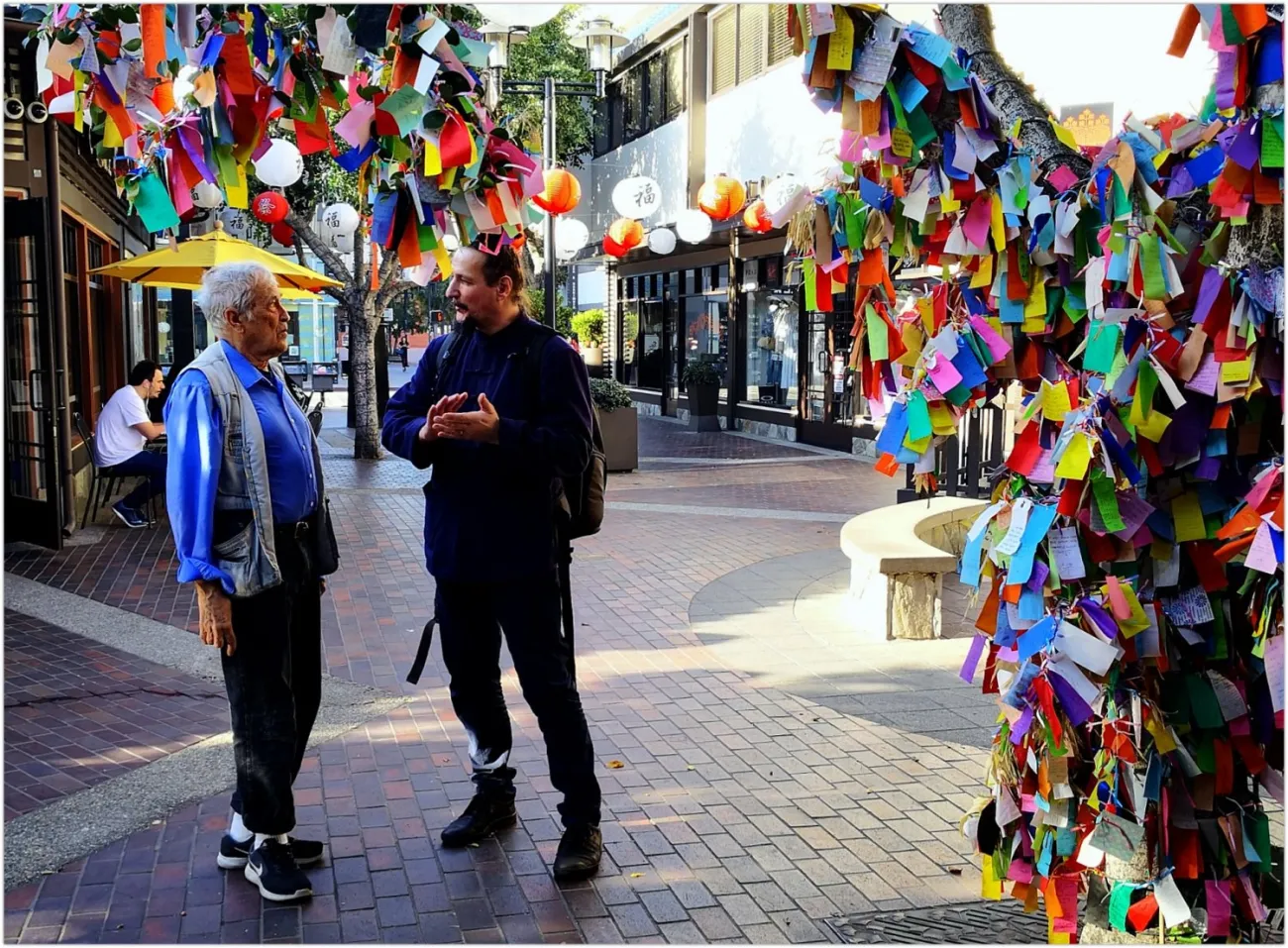
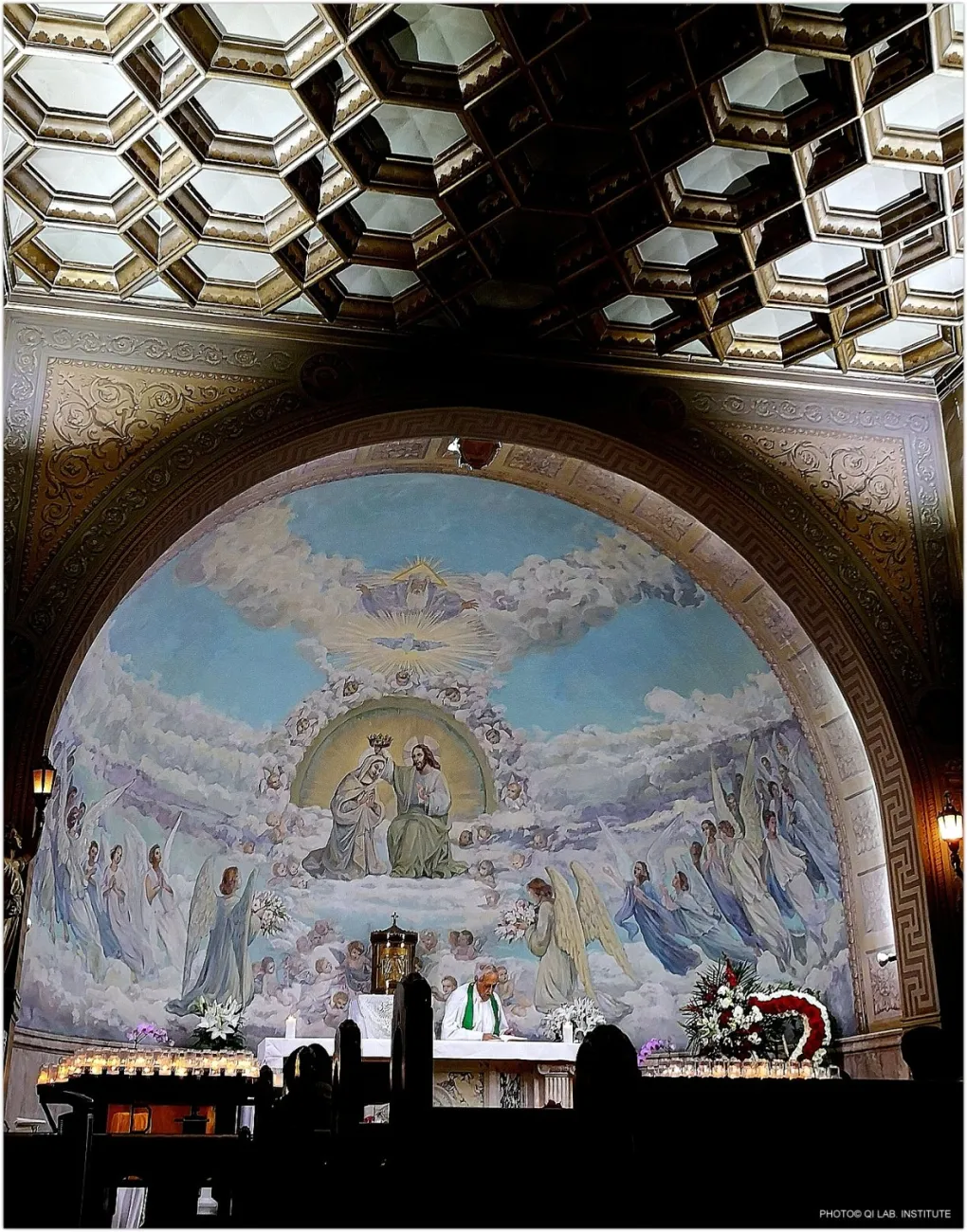
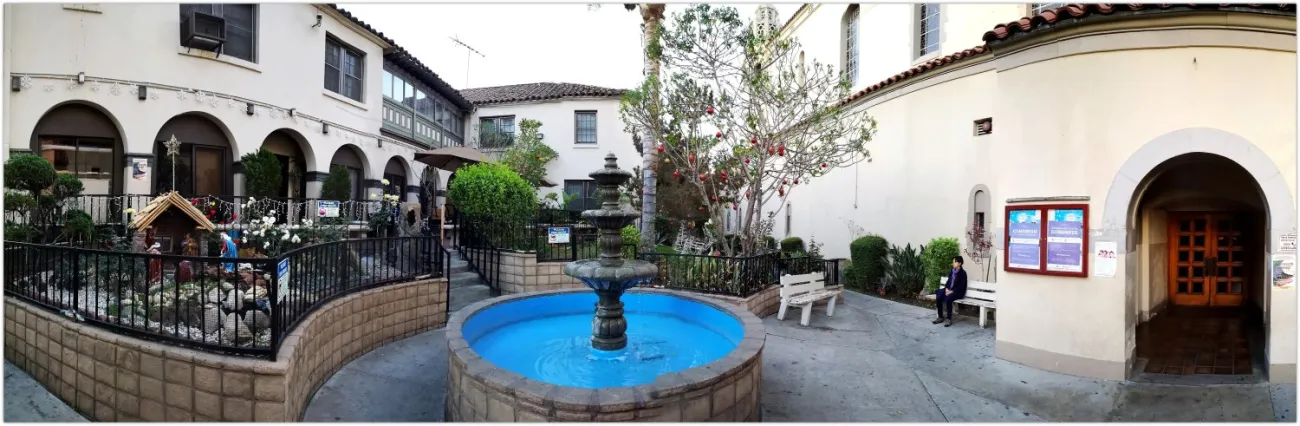
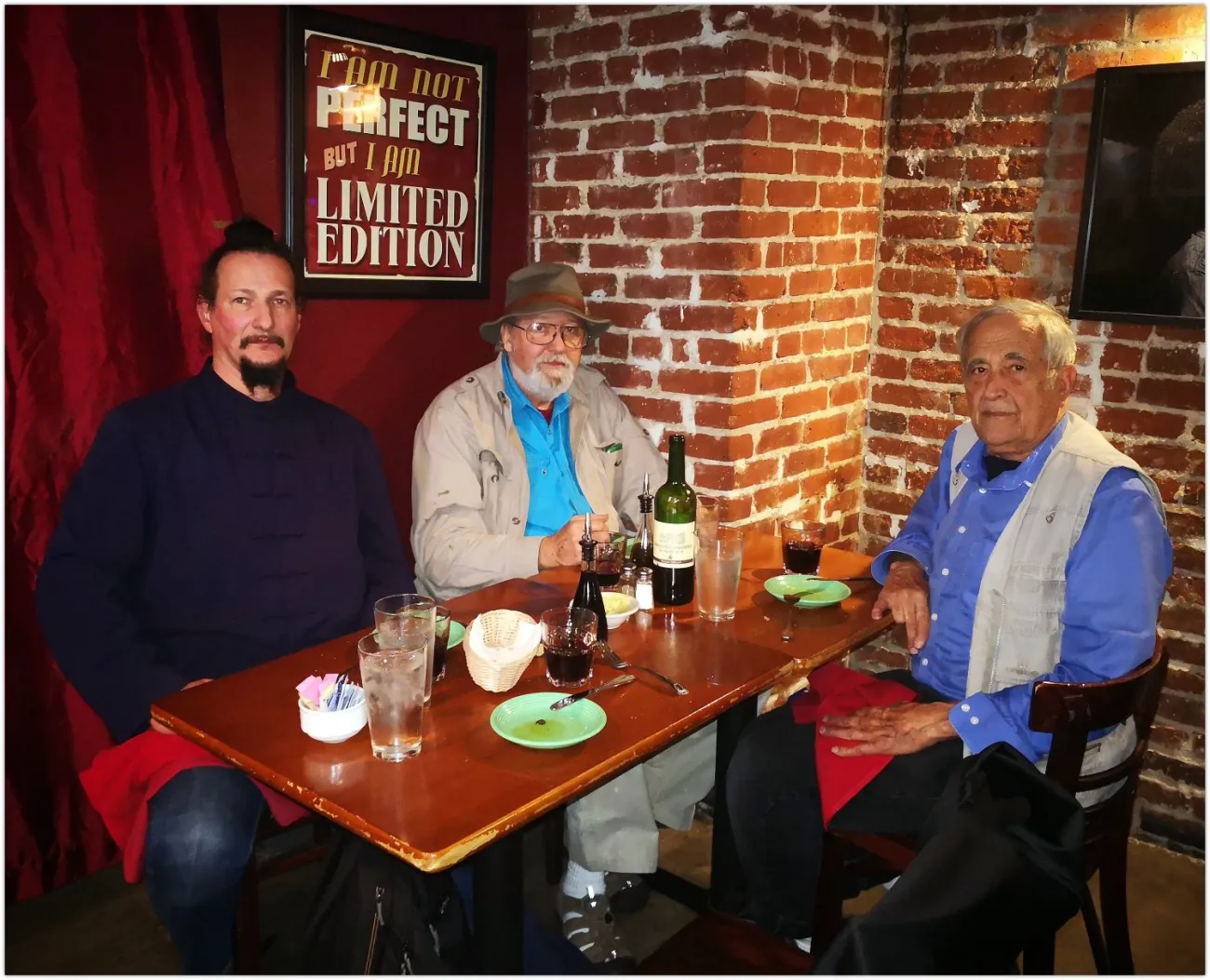
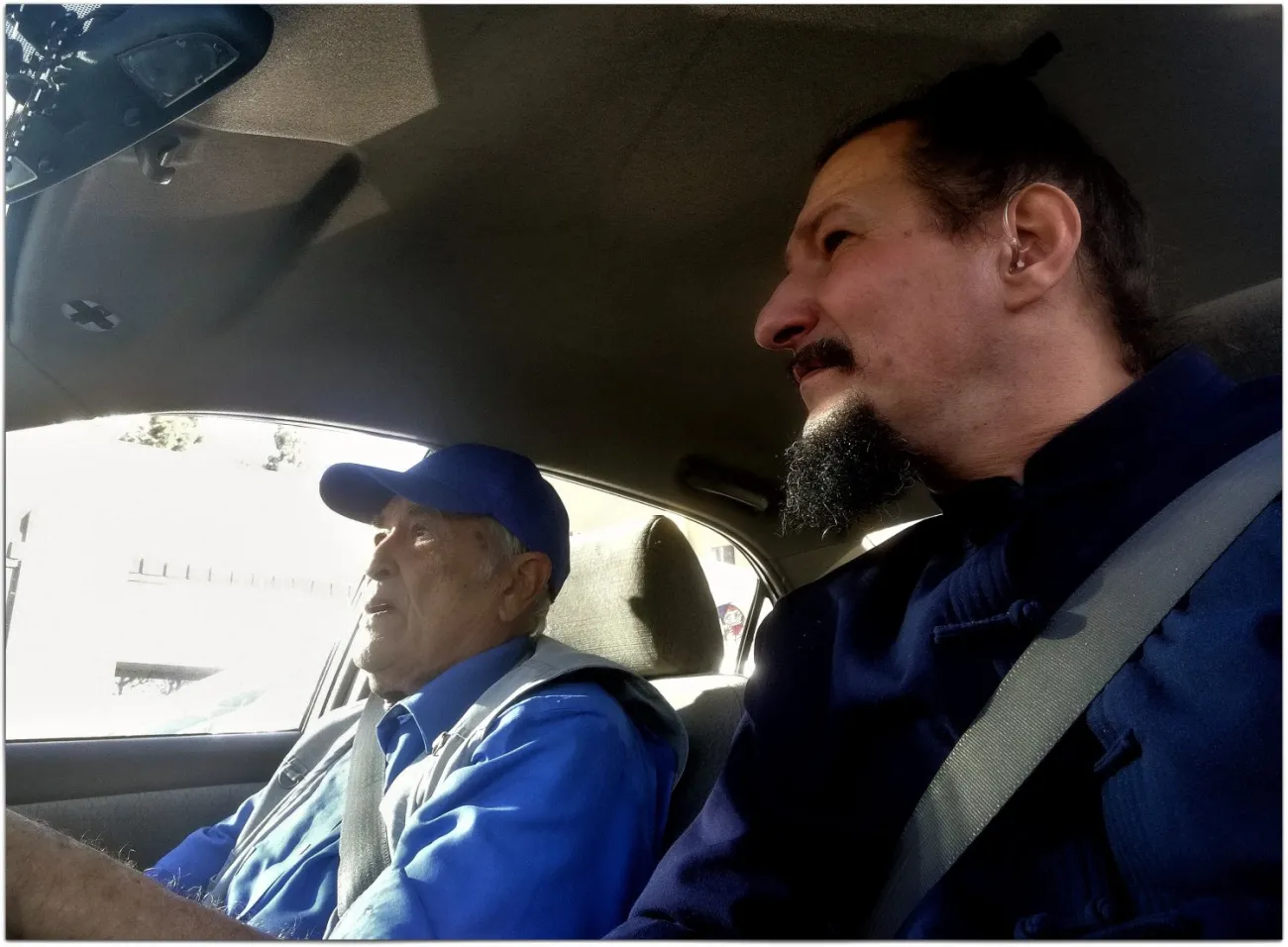
Before the establishment of SDT, in February 2018, Yuan Weixin and I visited Michael R. Saso in Los Angeles by prior arrangement. At the time, he was serving at the Church of the Immaculate Conception.
The week we spent in his presence was not merely a visit, but an entry into a space of rare experience, into the life of a person who stands at the intersection of worlds. Saso is not only a scholar, but also a participant. He is not only an observer of religion, but one of its bearers.
His life path reveals an unusual arc, from Western academic education to an inner understanding of the Chinese religious tradition. Born in 1930, he was educated at distinguished universities in the United States of America and Europe, including Yale University and the University of London, where he also received his doctorate in classical Chinese and anthropology. He later taught at the University of Hawaiʻi, where he established himself as one of the leading experts on Chinese religions. Yet his academic career alone does not explain what makes him distinctive.
If we look more closely at his educational path, we see a gradual deepening in the understanding of the human being and the world. He graduated in literature from Santa Clara University (1952), earned a master’s degree in philosophy and anthropology from Gonzaga University (1955), then in Chinese studies from Yale University (1964), and completed his doctoral studies at the University of London (1971). This diverse education, from the humanities to sinology, was not merely formal; it prepared the ground for his later ability to move between cultures and ways of thinking.
The key turning point in his path took place in Taiwan, where he entered the living tradition of Daoist ritual. In an exceptionally rare case, the first for a Westerner, he was initiated into the priestly lineage of the Zhengyi Dao tradition. This acceptance was not merely symbolic, but an actual entry into an unbroken chain of ritual transmission, into a structure in which knowledge is not only intellectual, but embodied, performative, and cosmically situated.
Within Daoism, a priest is not simply a teacher of doctrine, but a mediator between worlds. His task is to establish balance among the heavenly, earthly, and human orders. This understanding of religion as a functioning system, as a kind of “cosmic practice,” was something Saso internalized and then carried into his research.
The central subject of his work was the Jiao (醮) ritual, one of the most complex rites in the Daoist tradition. This ritual is not merely a religious event, but a complete reconstruction of the world, an act in which the community symbolically and effectively re-establishes cosmic harmony. In this sense, Jiao functions as a form of “cosmic administration,” regulating the relationship between the visible and the invisible, between order and chaos.
Saso had the privilege not only of observing this ritual, but also of performing it. It is precisely this dual position, as scholar and practitioner, that gives his work its particular weight. His descriptions do not reduce ritual to a symbol or a social phenomenon, but seek to understand its inner logic, its efficacy within its own world of meaning. In his works, ritual is not a metaphor, but a structure of the sacred.
Alongside his research, he also made an important contribution to the development of Daoist studies as an academic field. As co-editor of the journal Taoist Resources, he helped create a space for the serious and in-depth study of Daoist texts and practices. His work in interfaith dialogue reveals another dimension of his thought: the conviction that different religious traditions do not exist as closed systems, but as different expressions of the same fundamental human orientation.
I remember a conversation in which he said: “The most magnificent roof of all roofs is the starry sky; the most magnificent foundation of all that is human is our wonderful mother Earth; and the only true altar on which we can truly make an offering is the human heart, our heart.”
These words reveal the essence of his life’s work. For him, religion was not an object to be explained, but an experience to be lived. His path represents not only a bridge between West and East, but also between knowledge and experience, between theory and practice.
It is precisely in this space, where heaven, earth, and the human heart meet, that religion comes alive again. Not as a distant concept, but as an immediate way of being in the world and in the sacred.
Selected Bibliography of Michael R. Saso
Saso’s work includes monographs, editorial work, and numerous scholarly studies that together form one of the most comprehensive bodies of work on Daoist rituals in Western academia.
Monographs
- Saso, Michael R. Taoism and the Rite of Cosmic Renewal. Pullman: Washington State University Press, 1972.
- Saso, Michael R. Blue Dragon, White Tiger: Taoist Rites of Passage. Washington, D.C.: Taoist Center, 1990.
- Saso, Michael R. The Taoist Body. Honolulu: University of Hawai‘i Press, 1997.
- Saso, Michael R. The Gold Pavilion: Taoist Ways to Peace, Healing, and Long Life. Boston: Tuttle Publishing, 1995.
- Saso, Michael R. Mystic, Shaman, Oracle, Priest: A Study of Ecstatic Religion. New York: State University of New York Press, 1995.
Editorial Works
- Saso, Michael R., et al. (eds.). Taoist Ritual in Chinese Society and History. (various editions and collected volumes of essays).
- Saso, Michael R. Co-editor of the journal Taoist Resources.
Selected Scholarly Articles and Studies
- Saso, Michael R. “The Jiao Rite of Cosmic Renewal.” In various scholarly publications on Daoist rituals.
- Saso, Michael R. “Teaching Taoism in the West.” Articles on the transmission of Daoist practices into Western academia.
- Saso, Michael R. Various contributions on the rituals of the Zhengyi Dao tradition and their social context in Taiwan.
Rector Yuan Weiqi, SDT


 Previous