 History
The Third Evening of Religions in Barcelona Dedicated to Raimon Panikkar Alemany
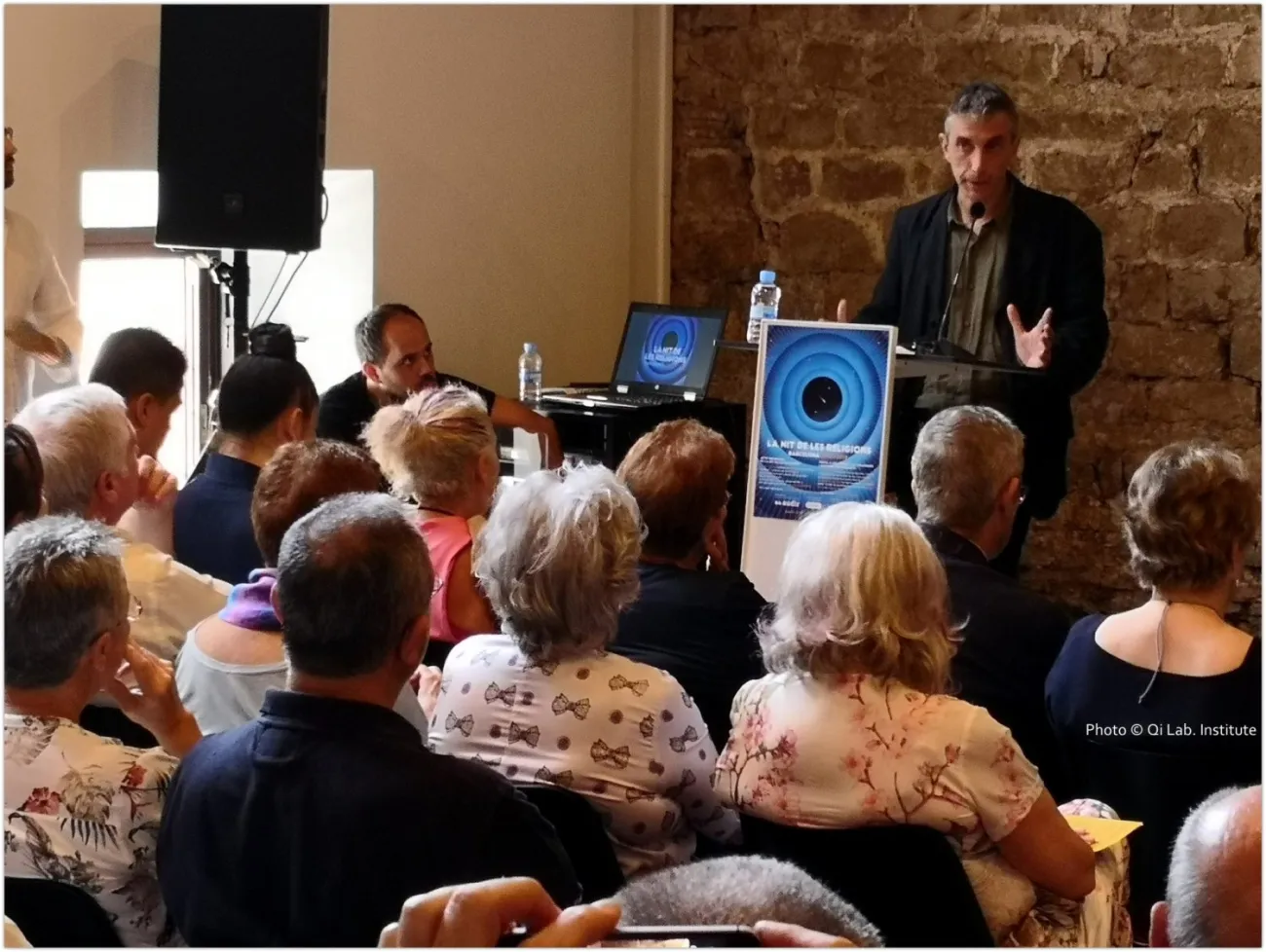
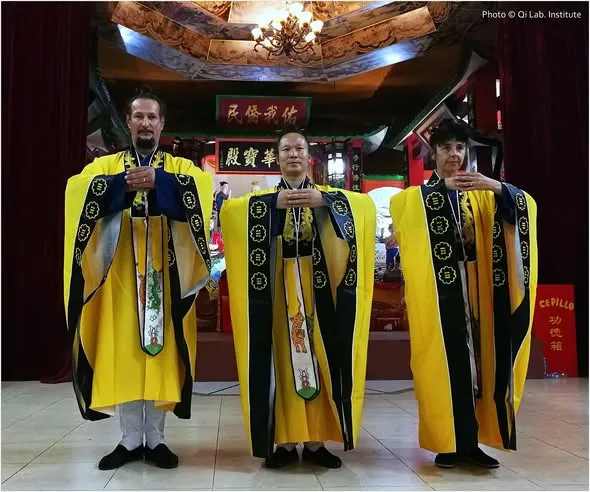
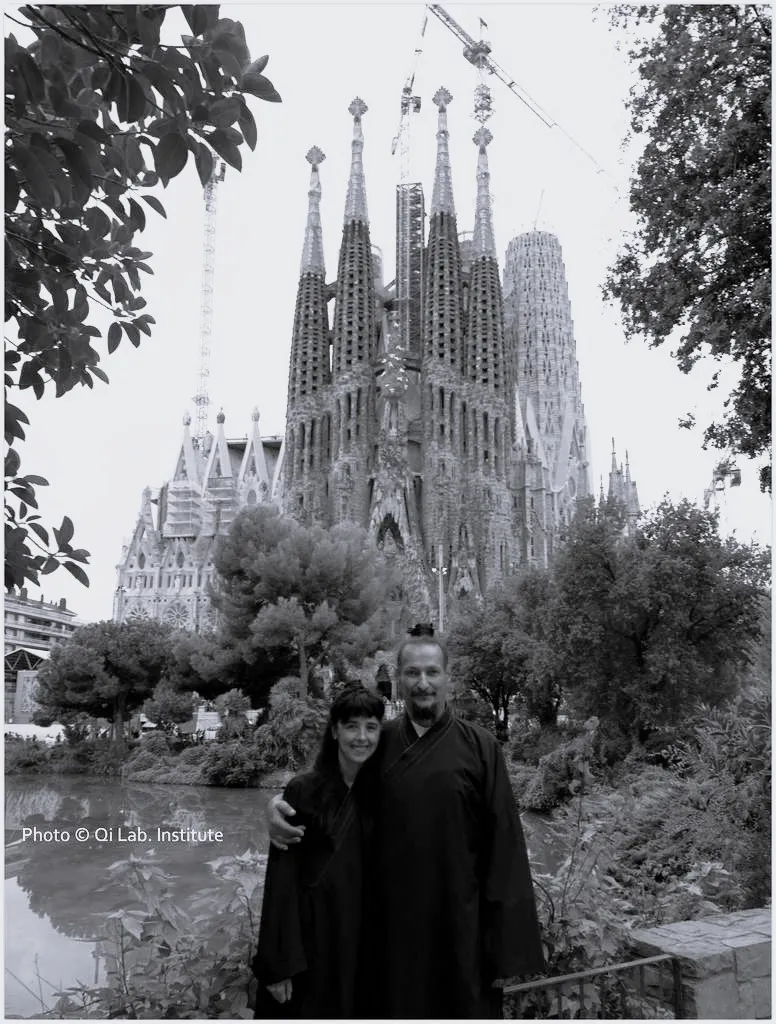
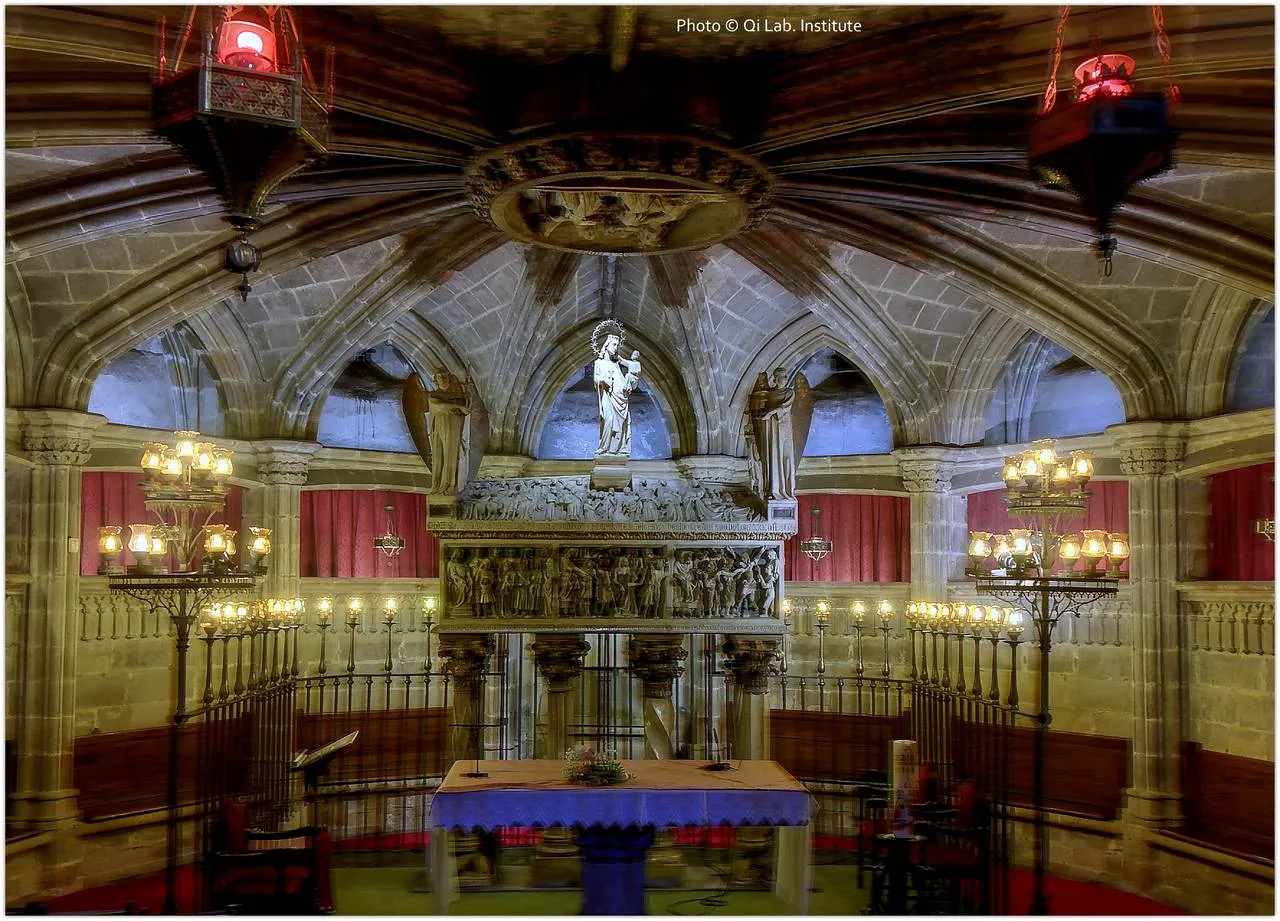
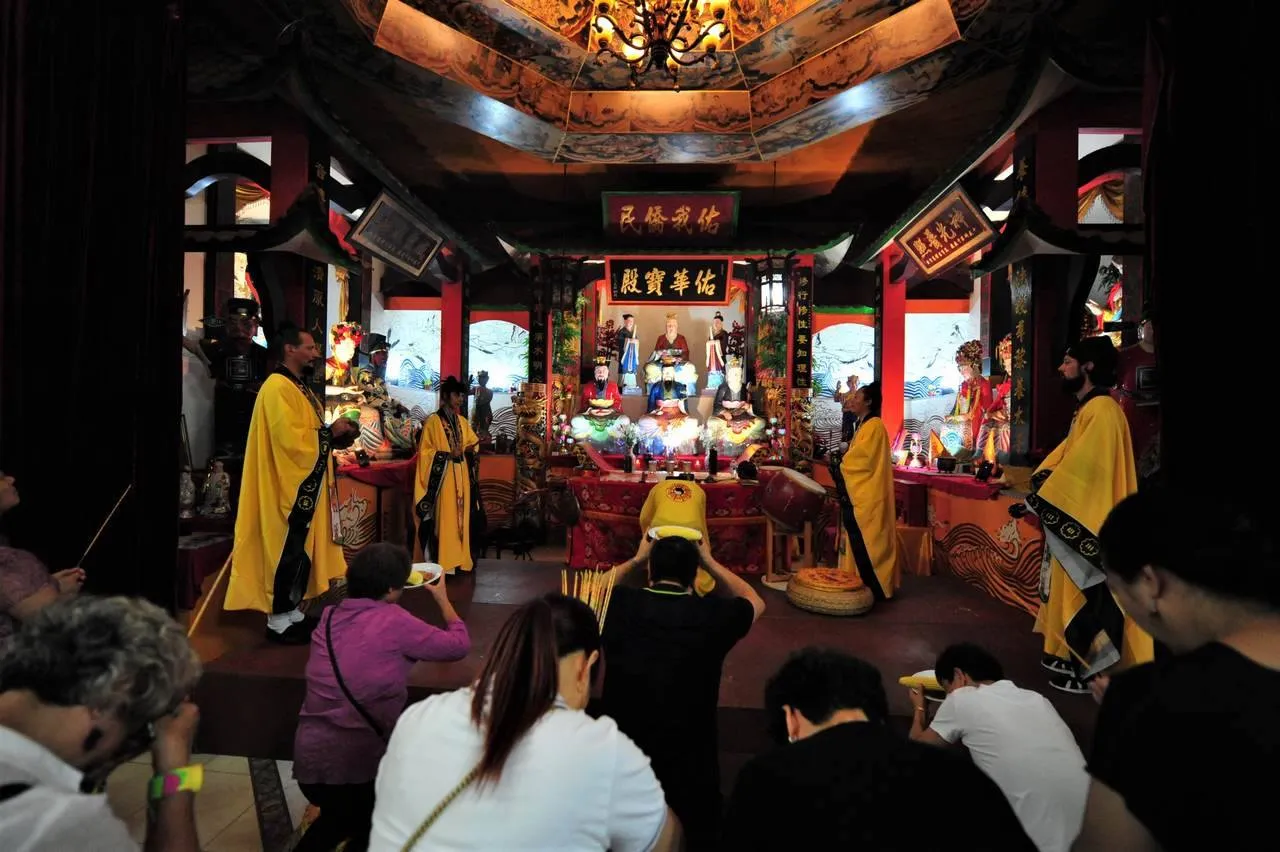
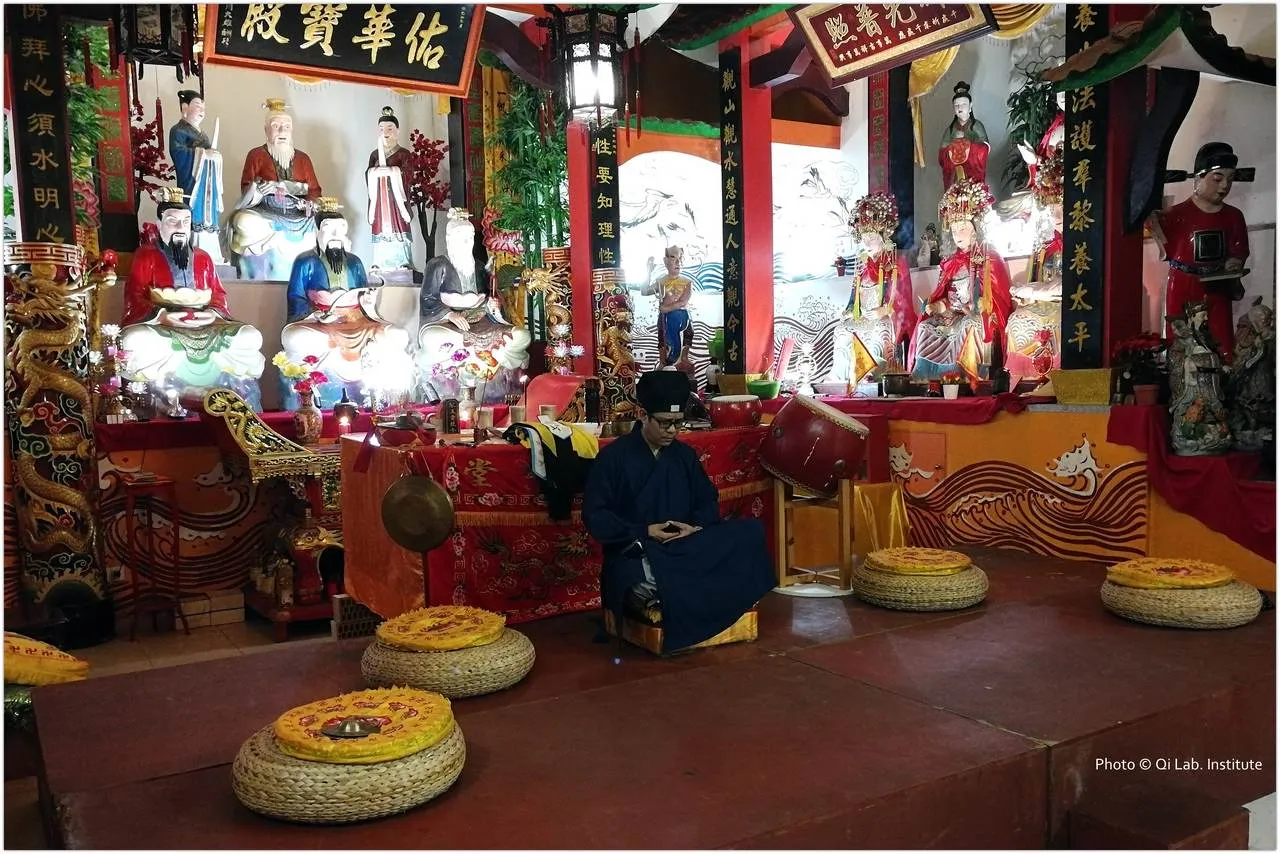
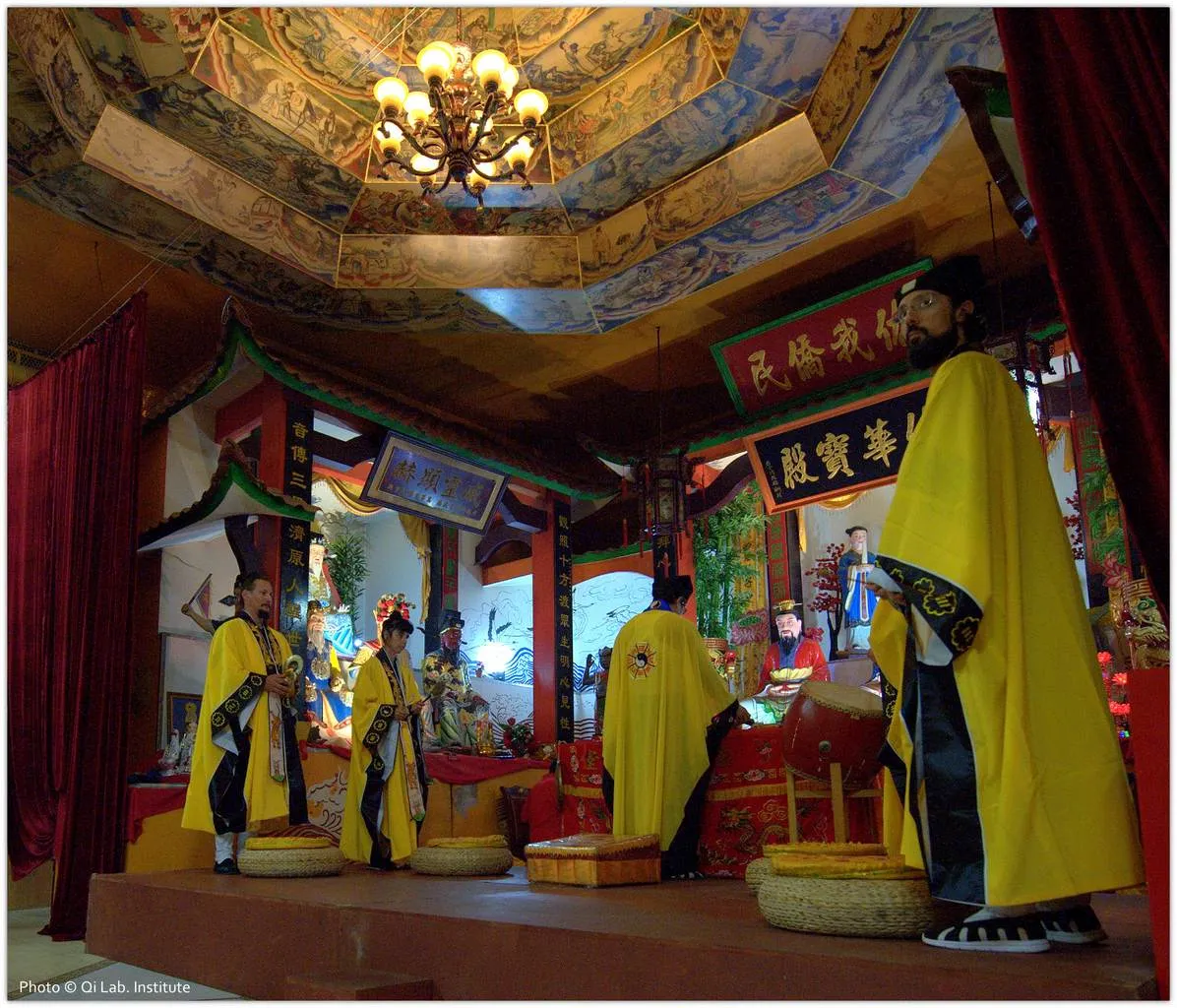
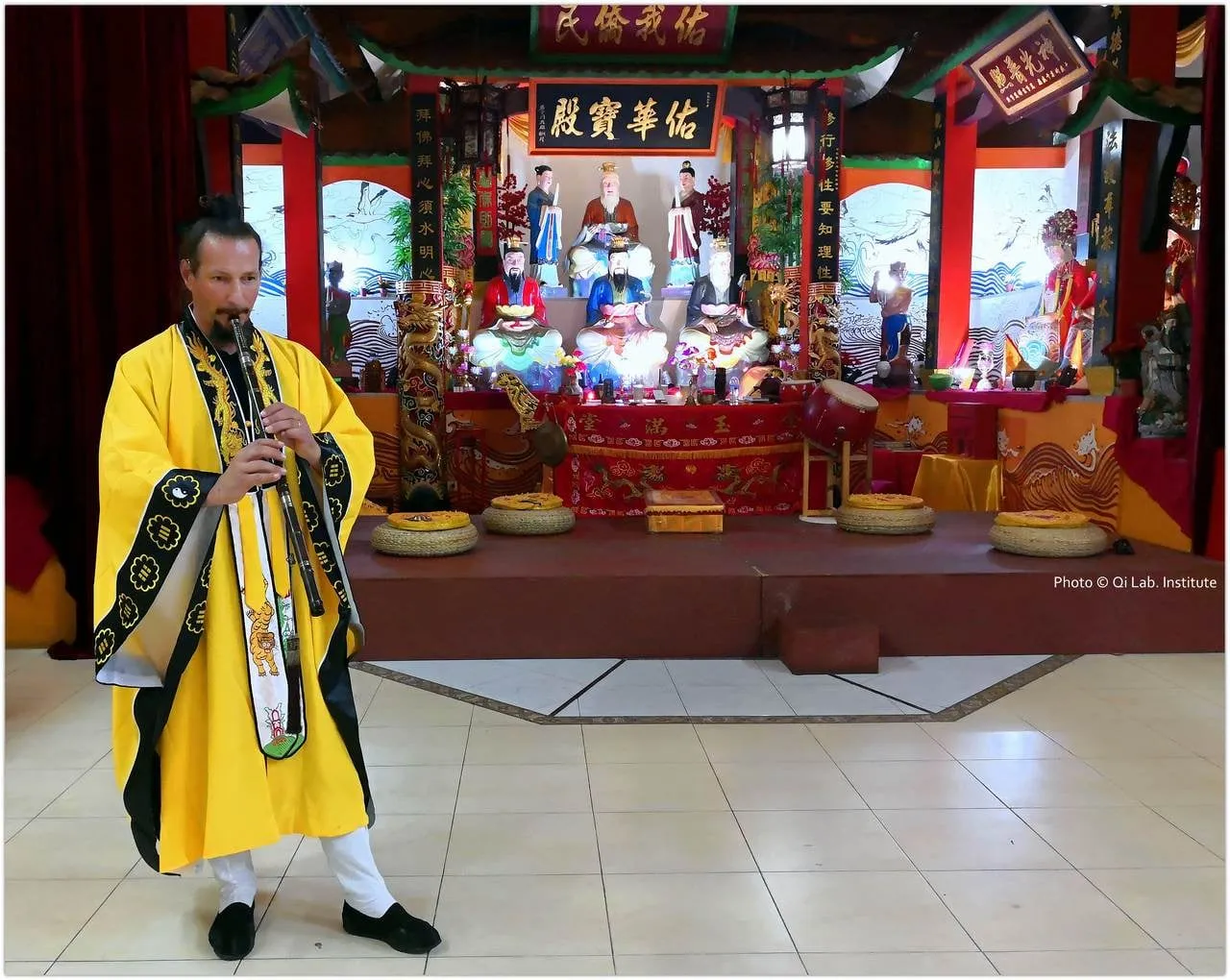
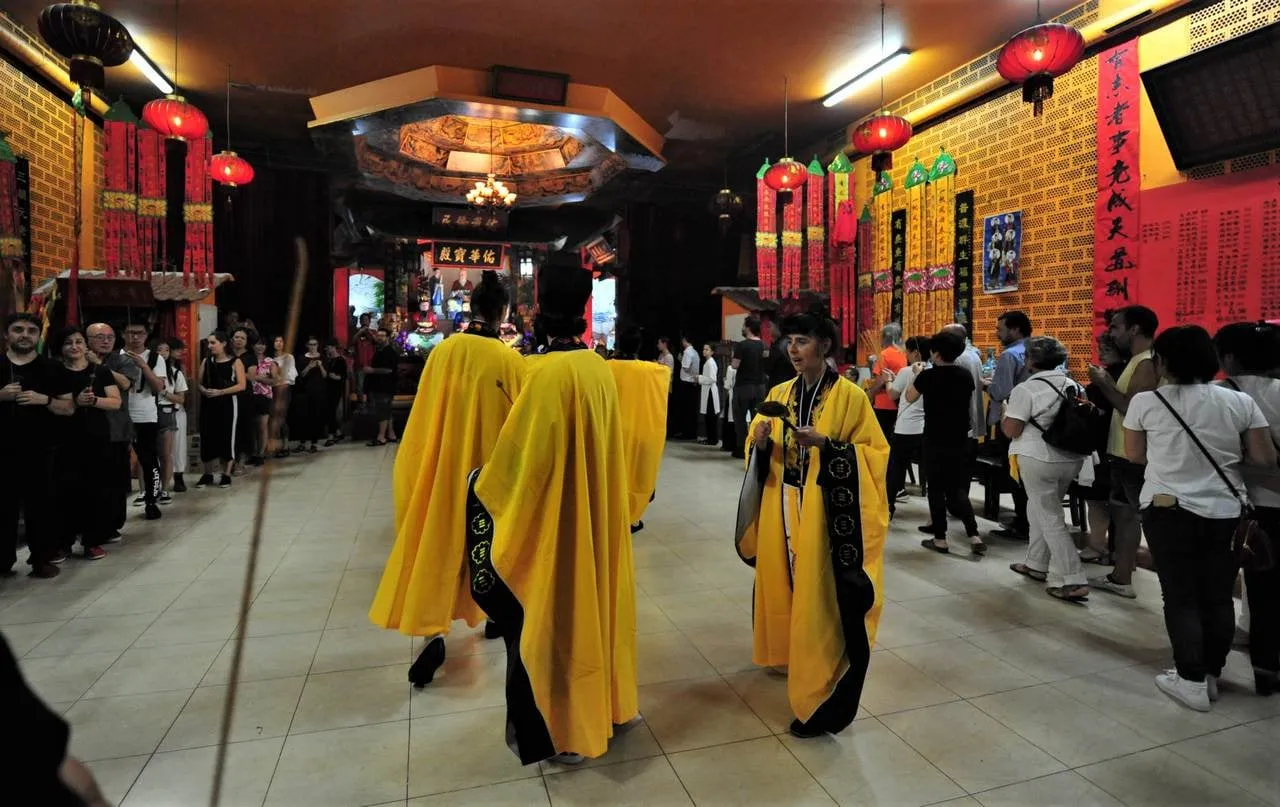
In September 2018, two members of SDT, Rector Yuan Weiqi and Vice-rector Yuan Weixin, took part in La Nit de les Religions (Evening of Religions), which was held in Barcelona for the third consecutive year. We were invited to the event by master Yuan Limin.
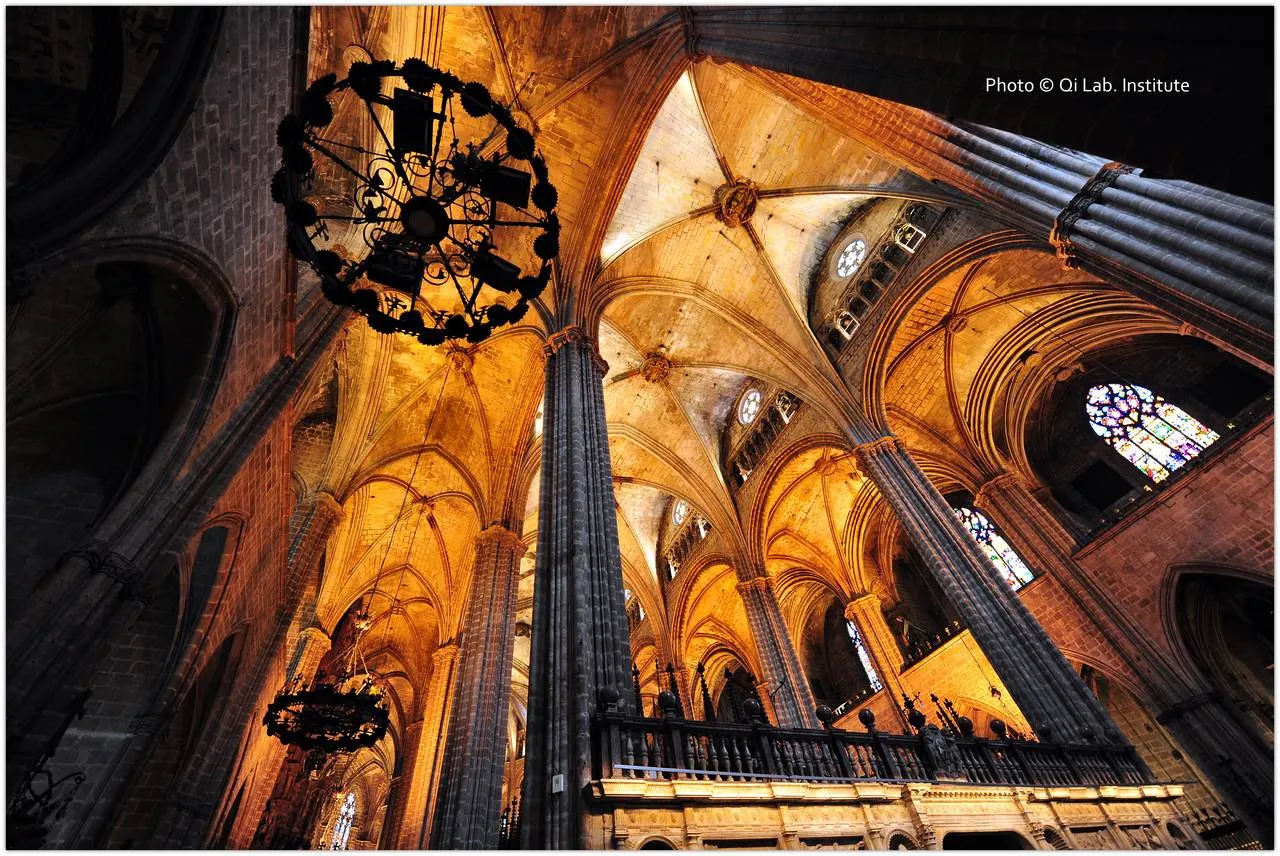
The Evening of Religions opened the doors to the spiritual world of about forty religious communities living in the city and offered an opportunity for direct encounters with diverse religious expressions. It enabled visitors to learn about different religious traditions, to accept them as part of contemporary social reality, and to respect them regardless of personal identification with them.
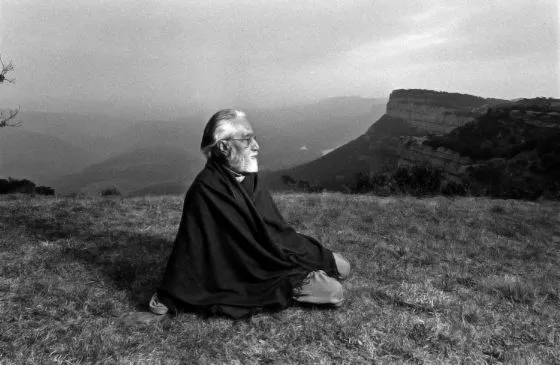
The opening ceremony was dedicated to Raimon Panikkar Alemany (1918–2010), a priest, philosopher, and one of the most important thinkers in interreligious dialogue. His work was presented by Jordi Pigem, who studied it in depth in his doctoral dissertation El pensament de Raimon Panikkar: Una filosofia de la interdependència.
Panikkar’s understanding of religion goes beyond the framework of any single tradition. He defines religion as a path toward understanding the mystery of life, emphasizing that the diversity of religions arises from the diversity of cultures. In his view, accepting other religions does not mean renouncing one’s own, but offers the possibility of understanding it more deeply.
His life was also marked by cultural and religious interweaving: his mother was a Catalan Catholic, and his father was of Hindu origin. After studying in a Jesuit environment, he first visited India in 1954, and upon his return wrote the well-known words:
“I left for India as a Roman Catholic, discovered there that I was a Hindu, and returned as a Buddhist.”
In this way, he emphasized the importance of personal experience as a path to inner understanding. In this spirit, we can also understand his thought of the human being as a knot in a web of relationships, unable to exist apart from the world. The human being is placed between heaven and earth and in relationship with other beings — a triad also found in the Daoist understanding of the world.
A similar path of interreligious exploration was followed by Michael M. Saso, one of the leading scholars of Daoism. His life path — from Jesuit priest to Daoist priest of the Zhengyi tradition and Buddhist monk of the Tendai school, and later his return to the Jesuit order — reflects a profound experience of religious plurality.
His fundamental insight is that the essence of different religions is shared, while the paths leading to it differ. For this very reason, interreligious dialogue is necessary and meaningful.
A lack of openness to difference can lead to confinement within dogmas and doctrines, which often become the starting point for conflicts.
Events such as the Evening of Religions therefore represent an important opportunity for learning, accepting diversity, and strengthening mutual respect and cooperation.
La Nit de les Religions in Barcelona
The first Evening of Religions in Barcelona took place in 2016 at the initiative of AUDIR (Associació UNESCO per al Diàleg Interreligiós) and with the support of the city authorities. It was inspired by a similar event in Berlin (Lange Nacht der Religionen), but in Barcelona it quickly developed into an independent and recognizable model of interreligious cooperation.
The central idea of the event is to open religious communities to the public: churches, temples, mosques, synagogues, and other spiritual spaces allow visitors, for one evening, to come into direct contact with different religious practices, rituals, lectures, and conversations. The participating communities thus present not only their teachings, but also create a space for dialogue, encounter, and exchange of experience for everyone.
The event has an important social role in a contemporary urban environment, as it encourages an understanding of religious diversity as an integral part of shared space. Its purpose is not only informative, but also transformative: it helps overcome stereotypes and strengthens a culture of respect, coexistence, and cooperation among different spiritual traditions.
Who was Raimon Panikkar Alemany
A philosopher, theologian, and Catholic priest, he is known for his contribution to interreligious dialogue. His original philosophical vision, called cosmotheandric reality, emphasizes the inseparable connection of the divine, the human, and the cosmic as three dimensions of a single reality.
With this understanding, he made an important contribution to the development of interreligious dialogue and to a deeper understanding of the relationships between different spiritual traditions.
More: https://www.religiondigital.org/armonia_en_la_diversidad/Raimon-Panikka…
What is cosmotheandric reality
Panikkar Alemany’s philosophical concept denotes the inseparable connection of the divine (theos), the human (anthropos), and the cosmic (cosmos) as three interdependent dimensions of a single reality. The concept transcends dualistic divisions and understands the world as a relational whole.