Music Department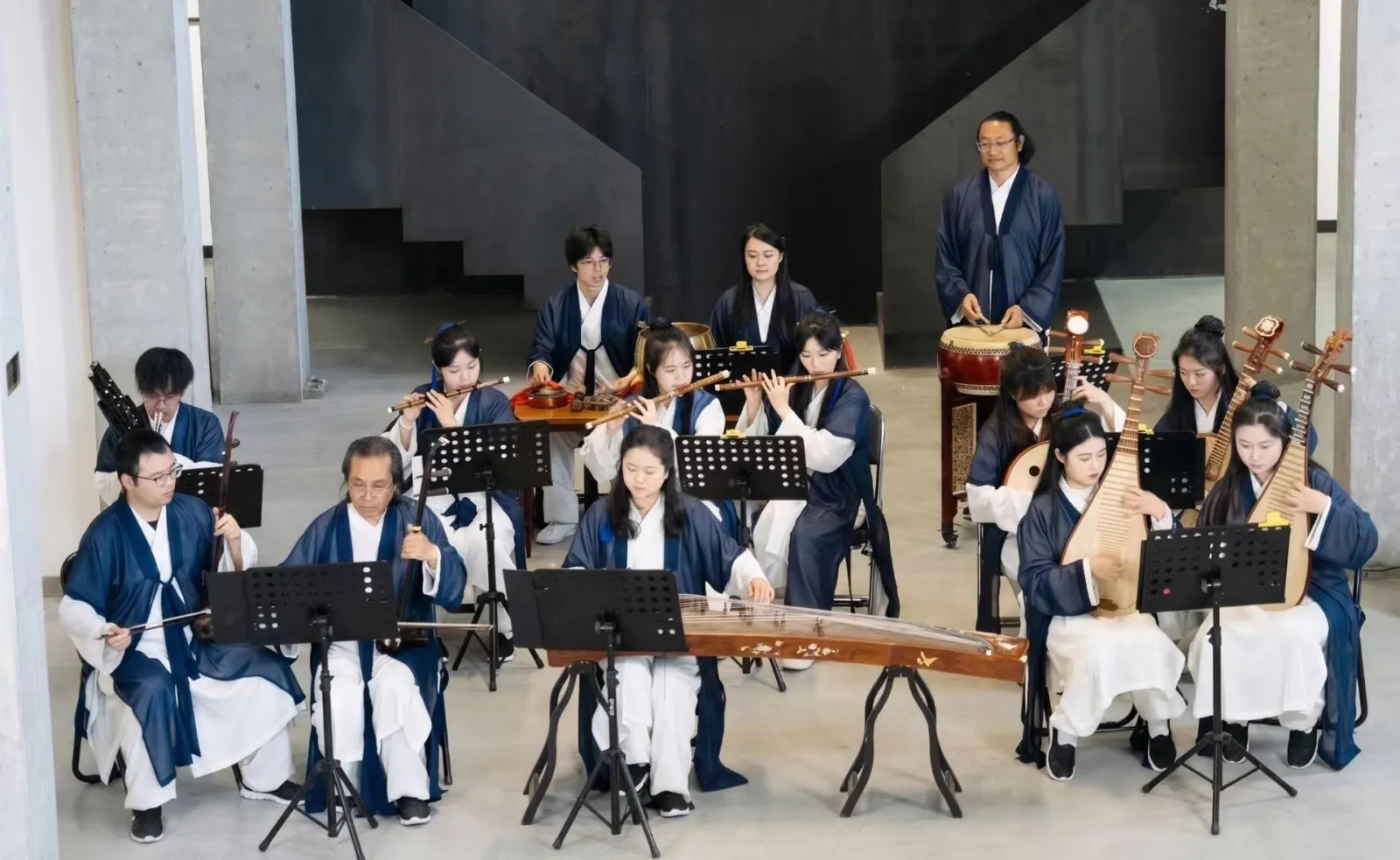
Li Huatao: An Intangible Cultural Heritage Expert Dedicated to the Living Transmission and Global Dissemination of Wudang Daoist Music
Li Huatao: An Intangible Cultural Heritage Expert Dedicated to the Living Transmission & Global Dissemination of Wudang Daoist Music
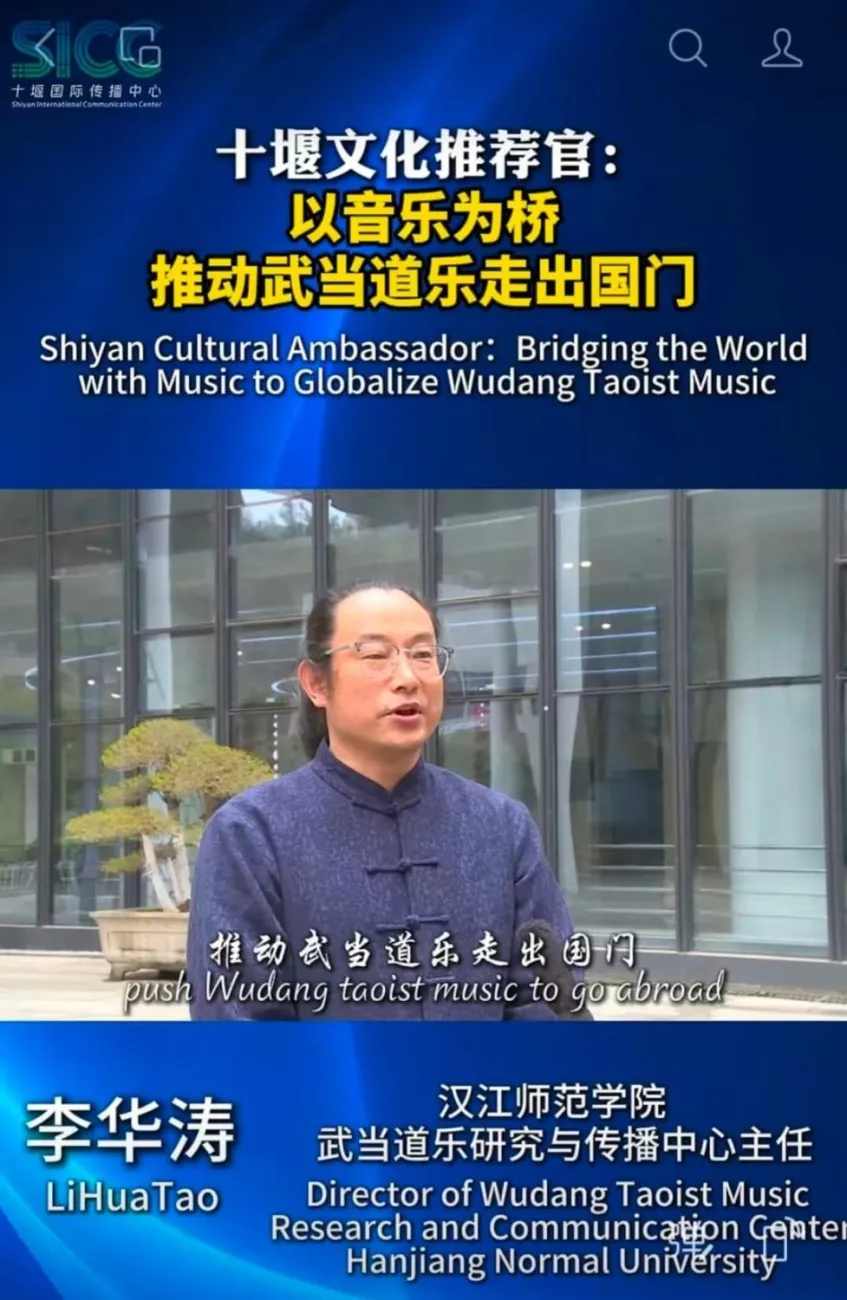
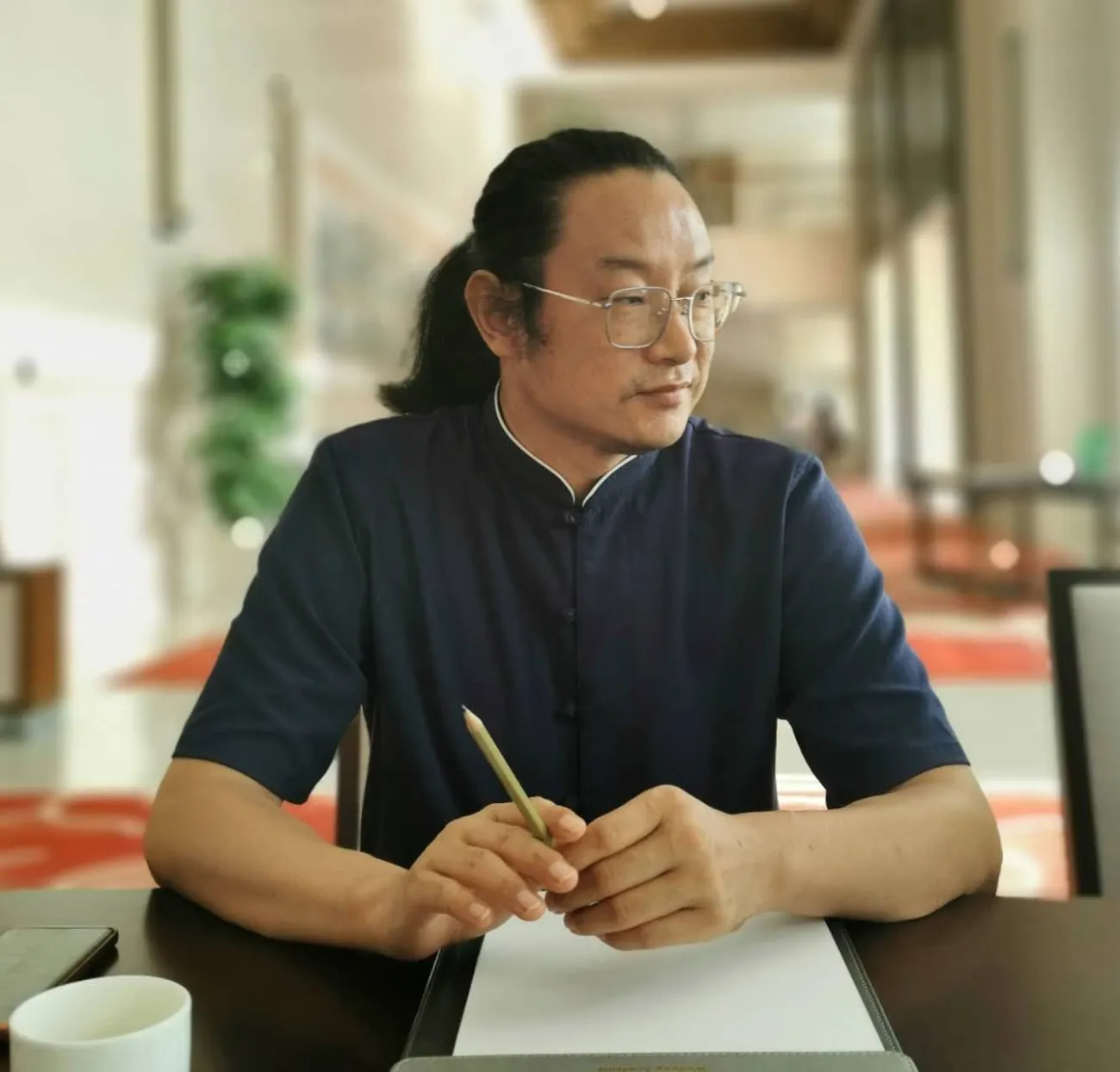
Li Huatao is a faculty member at School of Arts, Hanjiang Normal University 汉江师范学院艺术学院, director of Wudang Daoist Music Research and Communication Center 武当道乐研究与传播中心, head of Wudang Daoist Music Ensemble 武当道乐团, and a researcher at Wudang Culture Research and Communication Center, a key humanities and social sciences research base in Hubei 湖北 Province. He also serves as artistic director of Wudang Daoist Academy 武当山道教学院, Wudang Taoist Association 武当山道教协会 and Shiyan Taoist Association 十堰市道教协会. He has been appointed cultural ambassador for the Shiyan International Communication Center 十堰国际传播中心 and awarded the “Honorary Resident of Wudang Mountain” title.
As a specialized university center, the Wudang Taoist Music Research and Communication Center 武当道乐研究与传播中心 has a broad remit: collecting documents and historical scores of Wudang Daoist music, conducting fieldwork and academic research, integrating research into teaching, developing stage productions, promoting public understanding, and facilitating international cultural exchange. It has established an integrated “research — teaching — practice — dissemination” system for transmitting the tradition, linking the resources of Daoist temples, universities and wider society, and providing a platform to support the living transmission of Wudang Daoist music. As one of the leading researchers in the field of Wudang Taoist music in China, Li Huatao has devoted more than a decade to in-depth research on Wudang Taoist music, recognized as a national-level item of intangible cultural heritage. Through the Center, he has focused on the collection and preservation of ancient musical scores, academic research, university teaching, stage production, and intercultural international communication. Through his work, he has helped bring this ancient tradition of ritual music beyond the temples and monasteries to wider audiences in China and around the world.
Working through the center to preserve primary source materials, Li Huatao has spent many years visiting the Daoist temples of Wudang Mountain, interviewing senior ritual masters, and collecting and organizing ritual music materials from the Wudang music “武当韵” tradition. He traces the historical development of Wudang Daoist music, its musical characteristics, and the cultural significance. He has led and participated in numerous research projects at various levels on Wudang culture and Daoist music, published academic papers and fieldwork findings, and delivered invited lectures at several universities. His work provides a solid scholarly foundation for documenting and reconstructing Daoist music and creating stage productions, safeguarding this precious legacy of traditional Chinese music.
n higher education, Li Huatao has developed and teaches the general education course “Appreciation and Practice of Wudang Taoist Music,” bringing traditional Taoist ritual music into the university classroom and incorporating intangible cultural heritage into arts education at the university level. He actively encourages qualified university students and faculty members to apply for recognition as representative transmitters of Wudang Taoist music as intangible cultural heritage at various levels. Through these efforts, he is helping to establish pathways for the younger generation to carry forward the tradition and cultivate new generations of practitioners of this ancient art.
The Wudang Taoist Music Ensemble of Hanjiang Normal University, which he leads, operates through the Center and combines academic research with public outreach and educational activities. The ensemble regularly performs in schools, local communities, and cultural and tourism venues, offering public performances as well as hands-on intangible cultural heritage experiences. Its repertoire includes such classic works of Wudang Taoist music as “Da Wusheng Fu” and “Buxu.” By bringing Taoist music beyond the confines of temples and monasteries, the ensemble helps make this tradition accessible to the wider public and enables audiences to experience the artistic appeal of Wudang Taoist music at close range.
Li Huatao is also deeply involved in stage art production. He serves as the Lead Music Consultant for the concert Taihe Xianyun “太和仙韵”, taking a leading role in repertoire selection, the refinement of musical arrangements, and programme development, while exploring ways to integrate traditional Taoist music with contemporary forms of stage expression. He also actively expands the contemporary applications of Taoist music. Through the Center, he conducts research into the therapeutic and well-being value of Wudang Taoist music and organizes public experiential activities inspired by traditional approaches to health and well-being. Through these efforts, he explores the contemporary social value of this ancient musical tradition and its potential role in public cultural services.
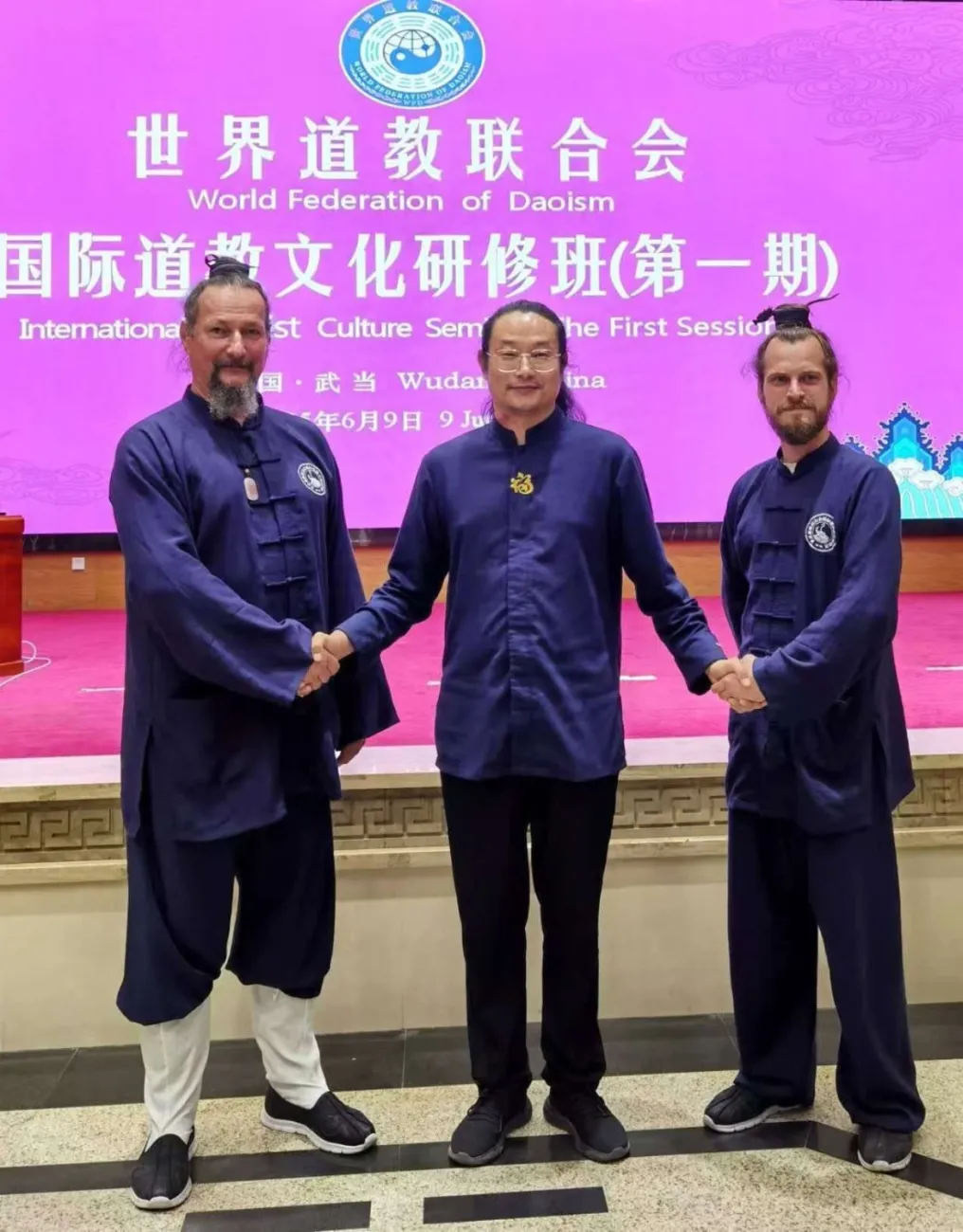
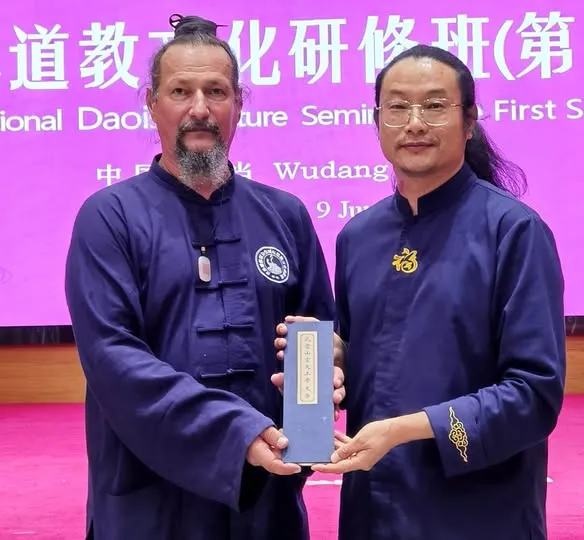
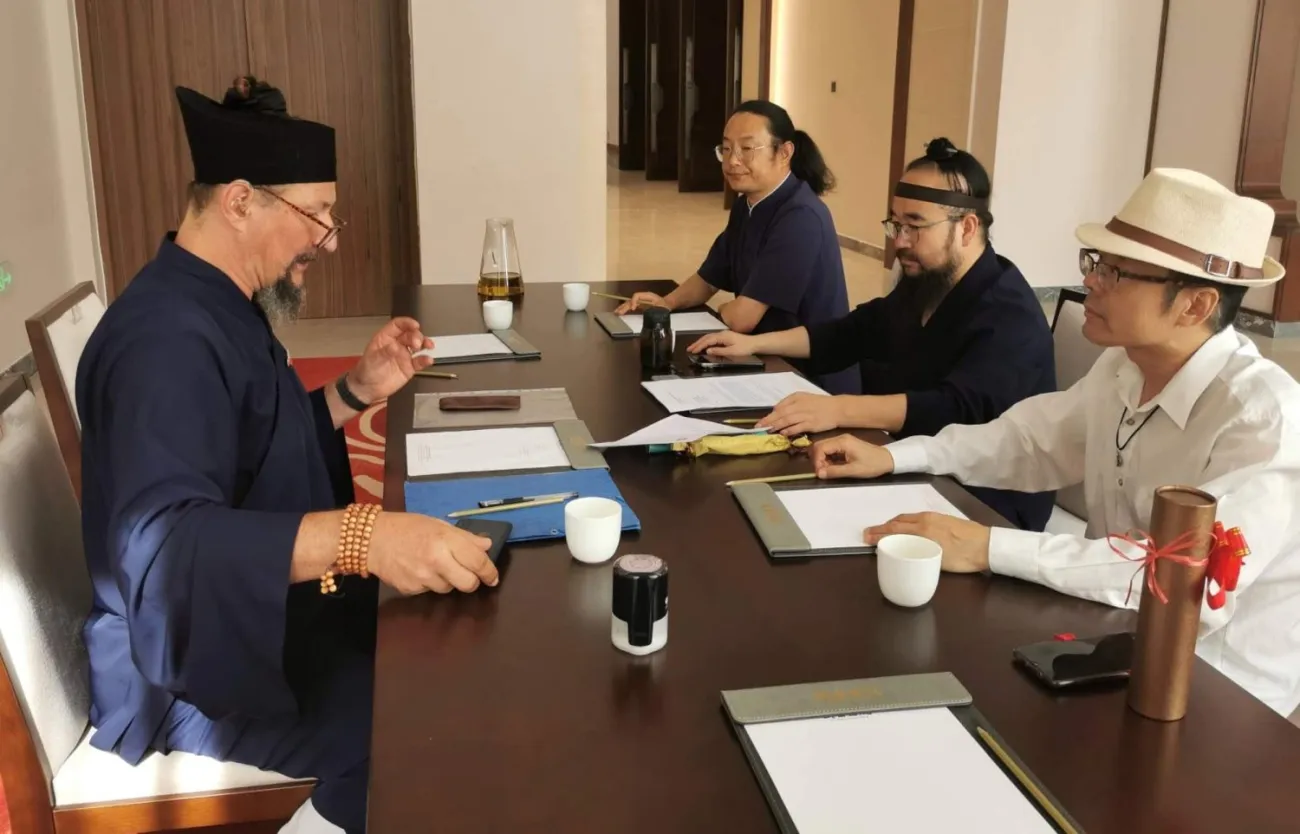
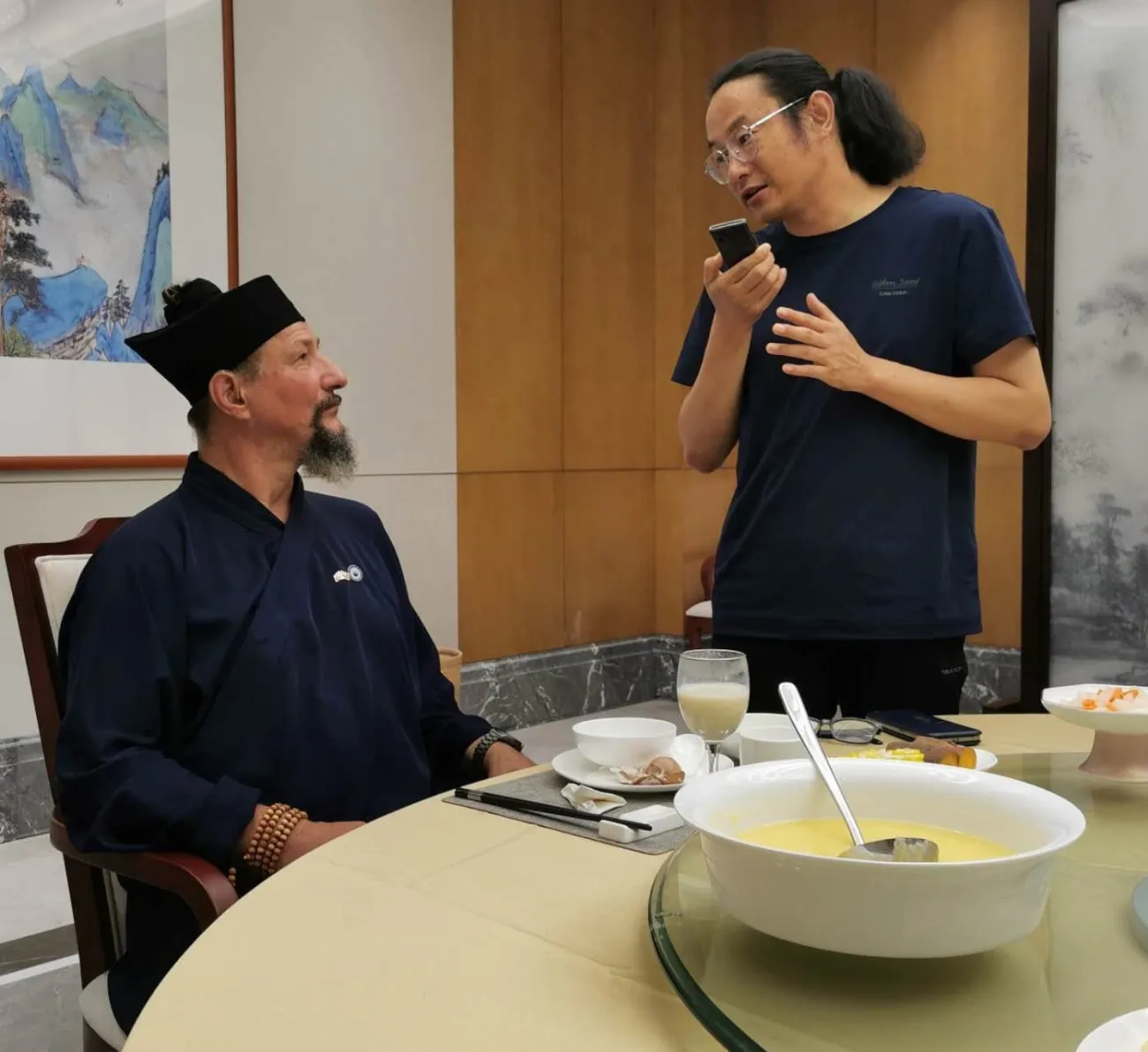
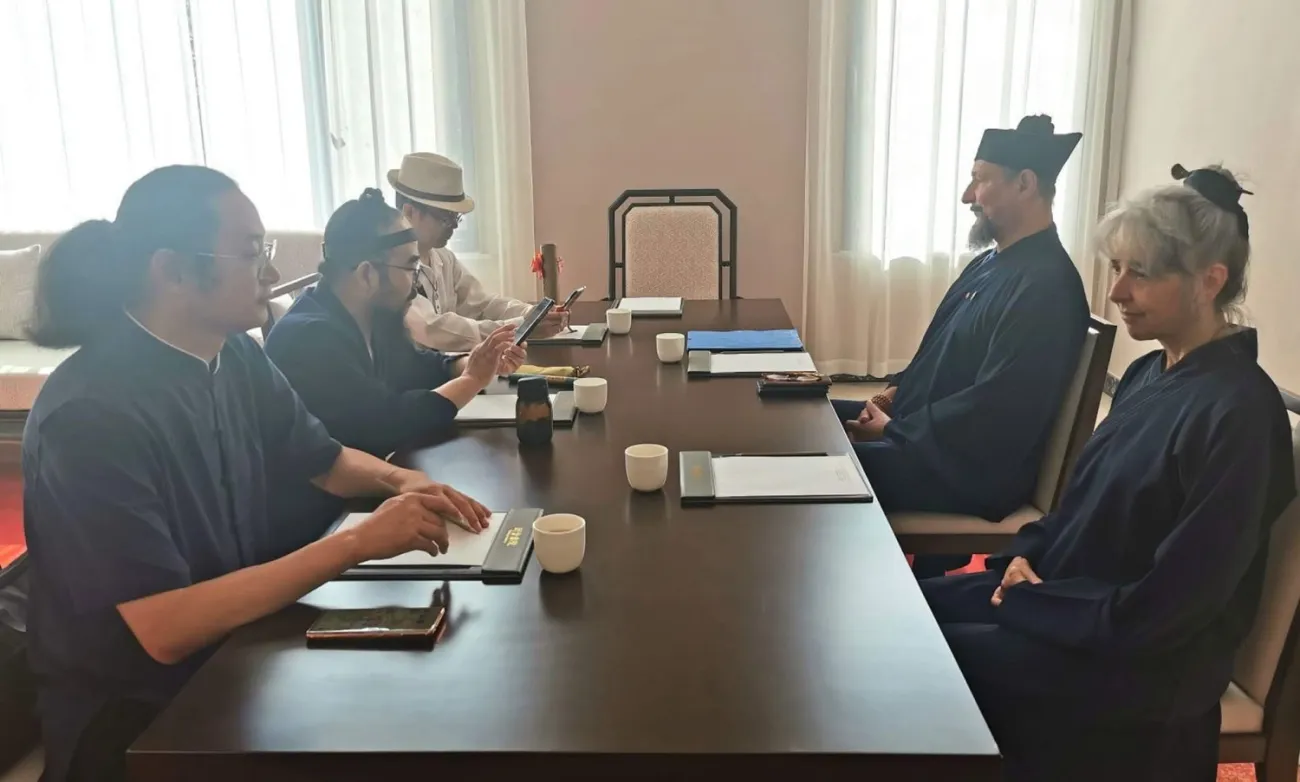
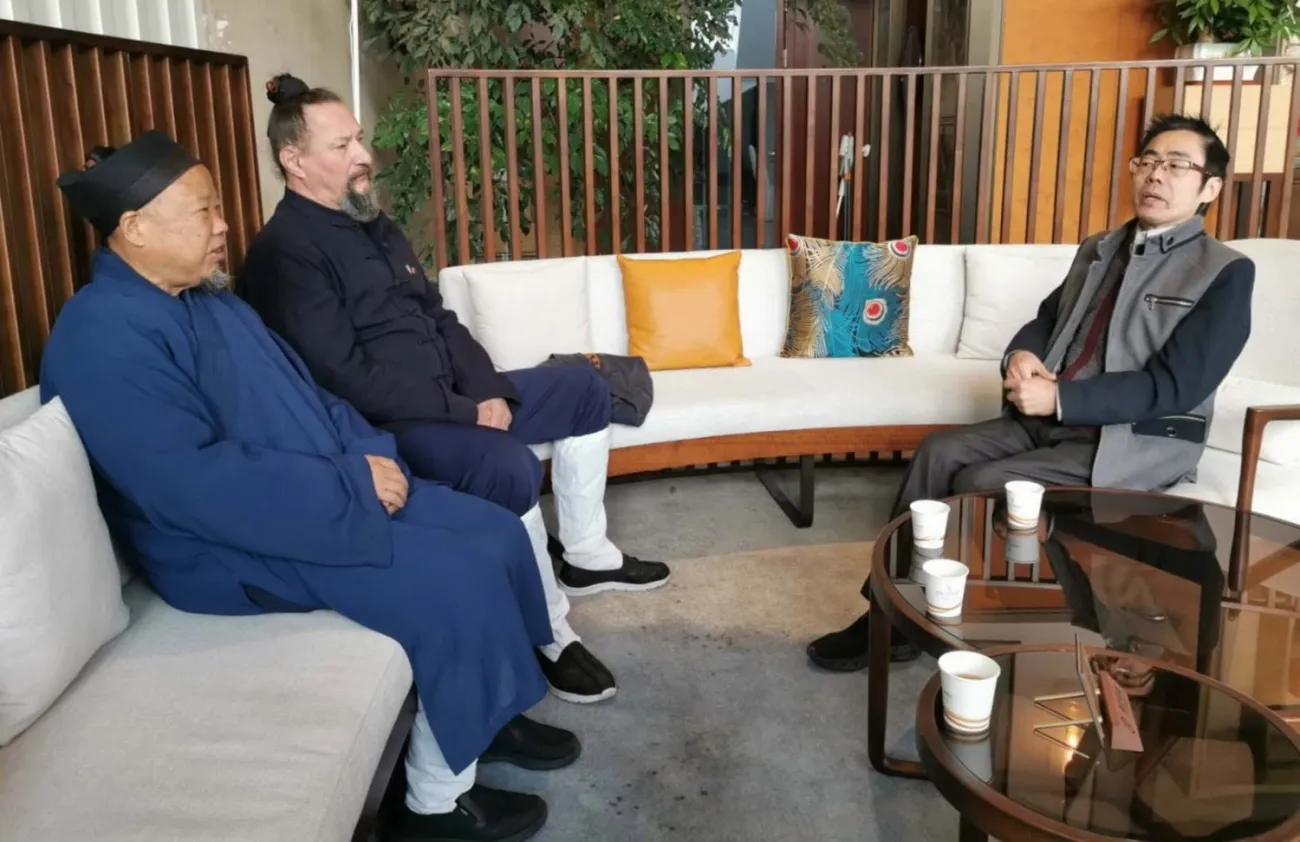
As cultural ambassador for Shiyan International Communication Center 十堰国际传播中心, LLi Huatao places great importance on international cultural exchange involving Wudang Taoist music. He has participated on numerous occasions in the International Taoist Forum and in academic conferences and exchange activities on intangible cultural heritage in China and abroad. He has been invited to teach at the International Taoist Culture Training Programme of the World Taoist Federation, where he introduces overseas participants to the Chinese cultural and spiritual significance underlying Wudang Taoist music. There he met with the representatives of Slovenian Daoist Temple of Supreme Harmony for the first time.
He has served as the featured speaker in the segment on Daoist temple music in the documentary Wudang Cultural Heritage “武当文脉”, given interviews to major media outlets, and participated in international documentary productions. He also joins overseas cultural enthusiasts in ensemble performances and musical exchanges. Through short videos, multilingual content, international performances and presentations, he introduces Wudang Daoist music to audiences abroad and shares stories of Wudang culture. His title of “Honorary Resident of Wudang Mountain” recognizes his many years of locally rooted work and sustained commitment to Wudang culture.
He pursues academic research, teaching and transmission on campus, stage practice and international outreach as mutually supporting activities. With Wudang Taoist Music Research and Communication Center 武当道乐研究与传播中心 as a central platform, he has built a network for transmitting the tradition that connects Daoist temples, universities and wider society. While safeguarding the cultural authenticity of Wudang Daoist music, he continues to explore contemporary forms of expression and international channels of dissemination, contributing to innovation in its living transmission and to cultural exchange between China and the wider world.
Li Huatao