Articles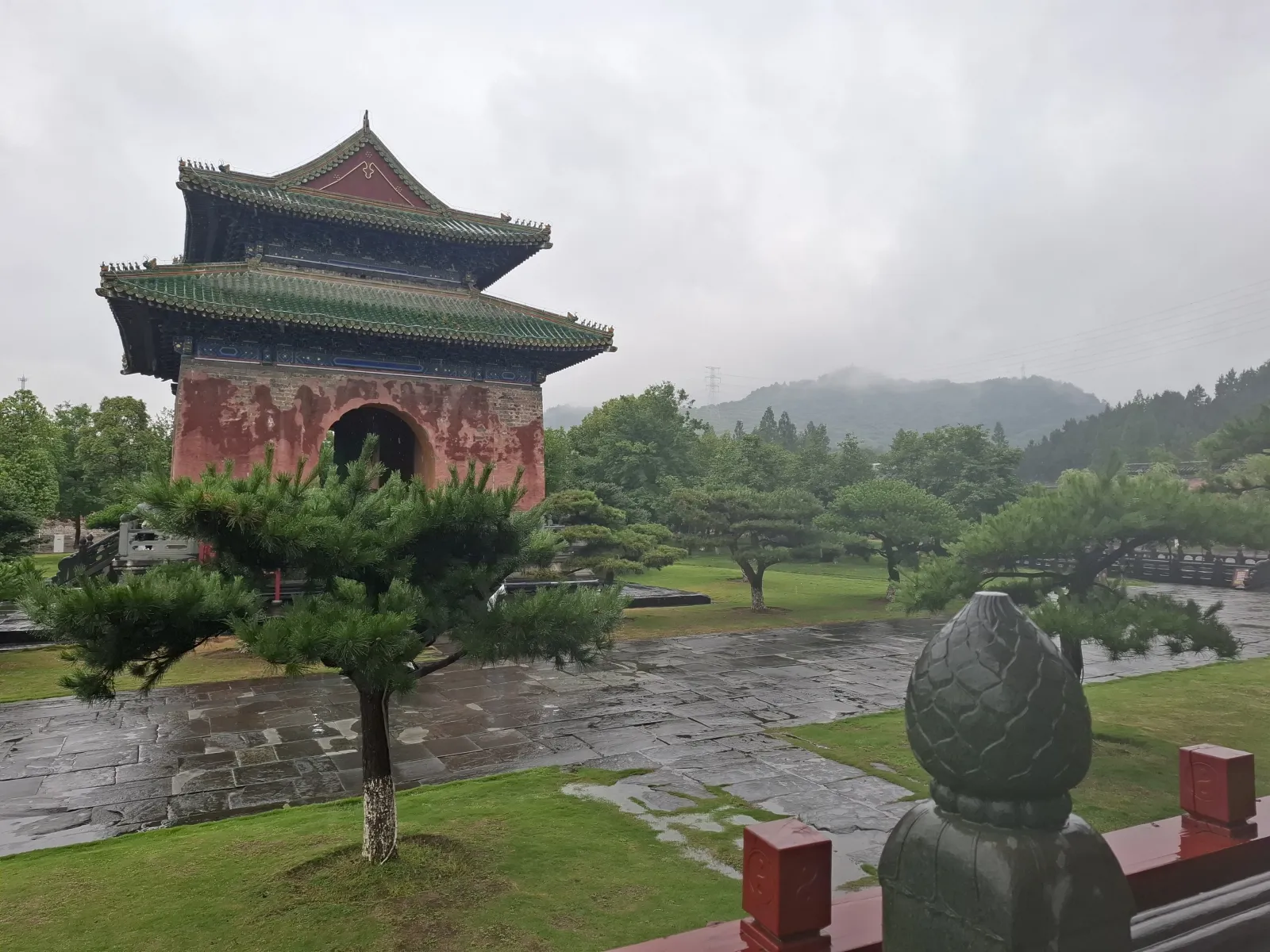

In the green embrace of Wudangshan
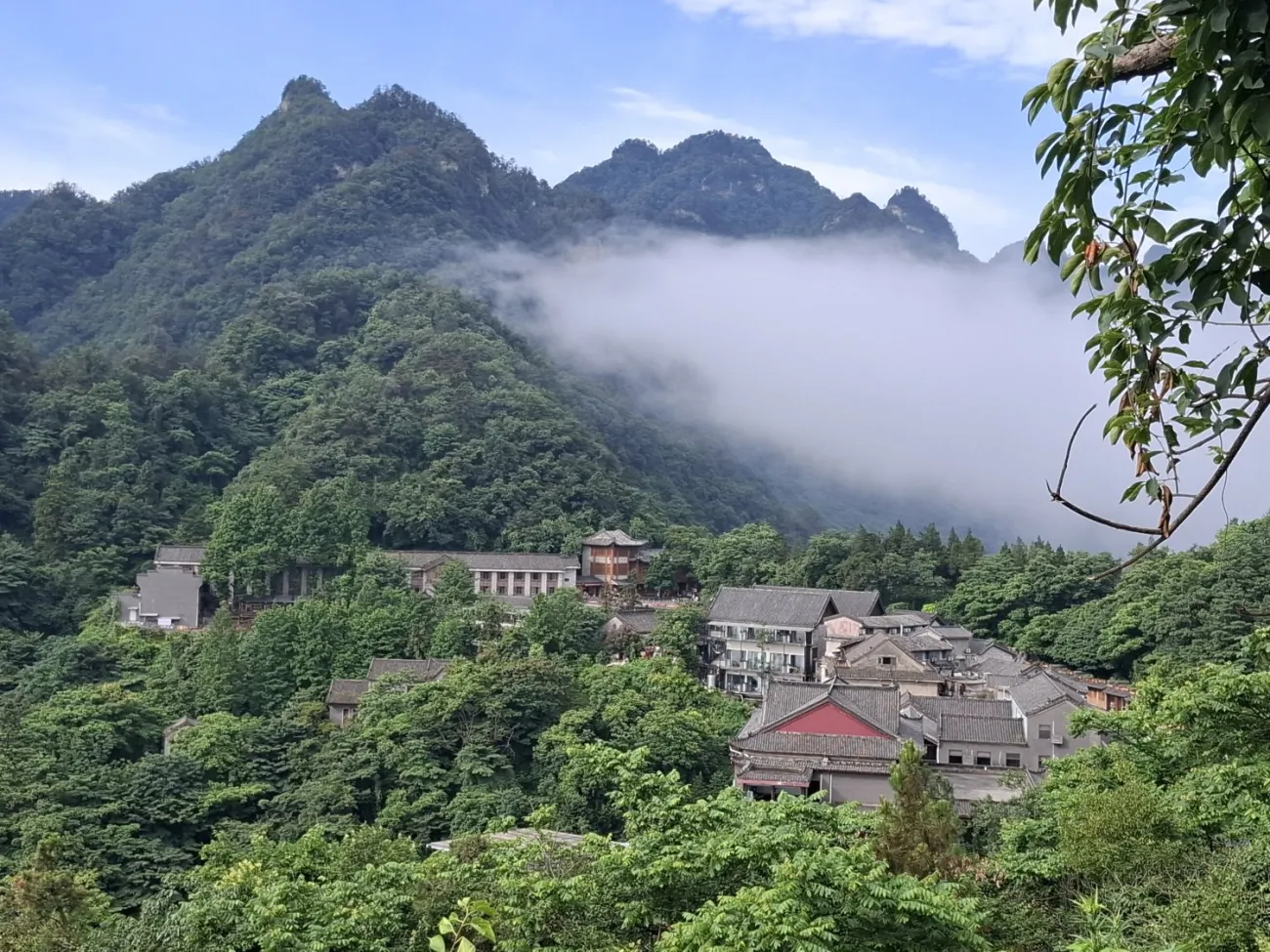
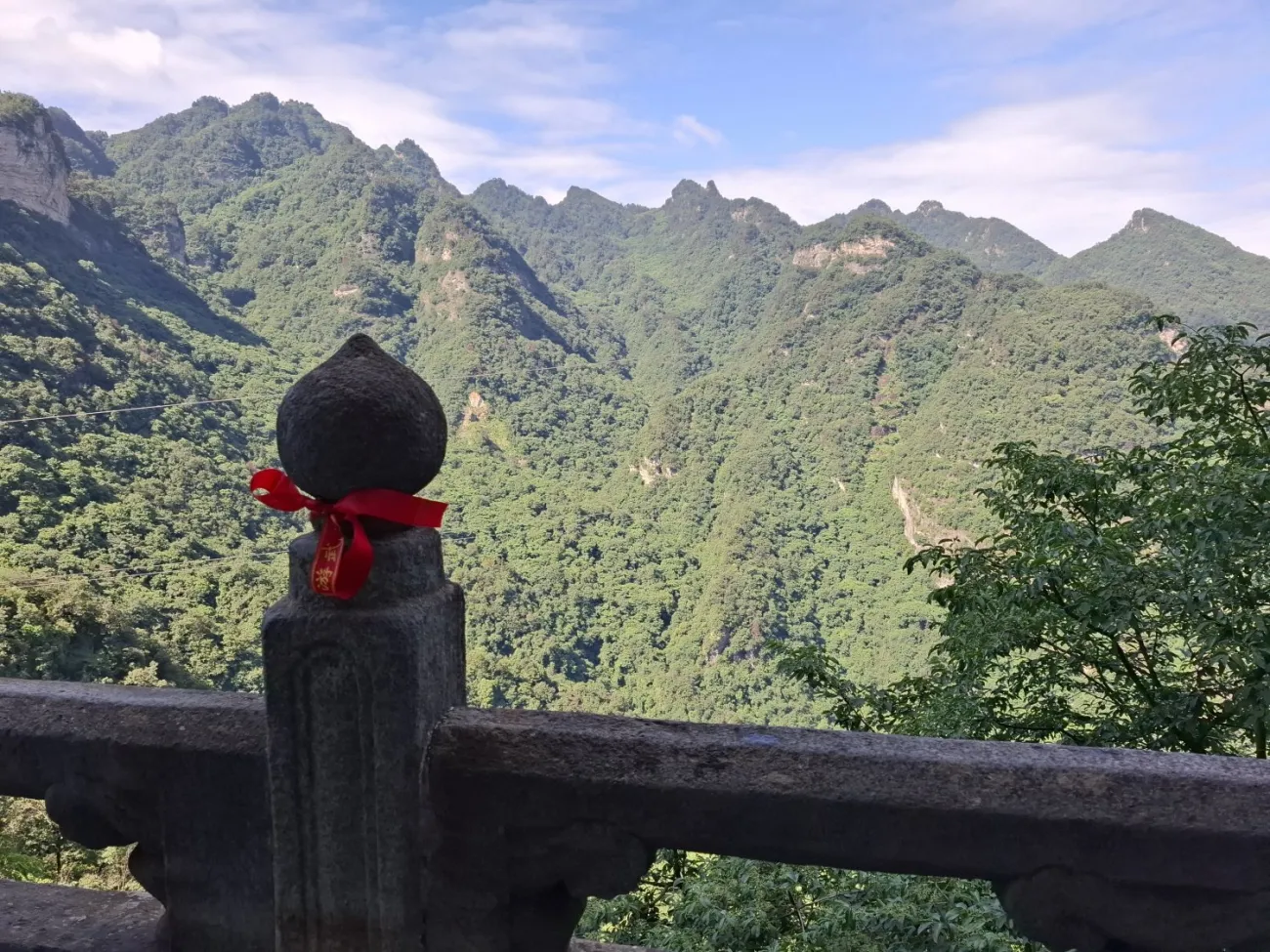
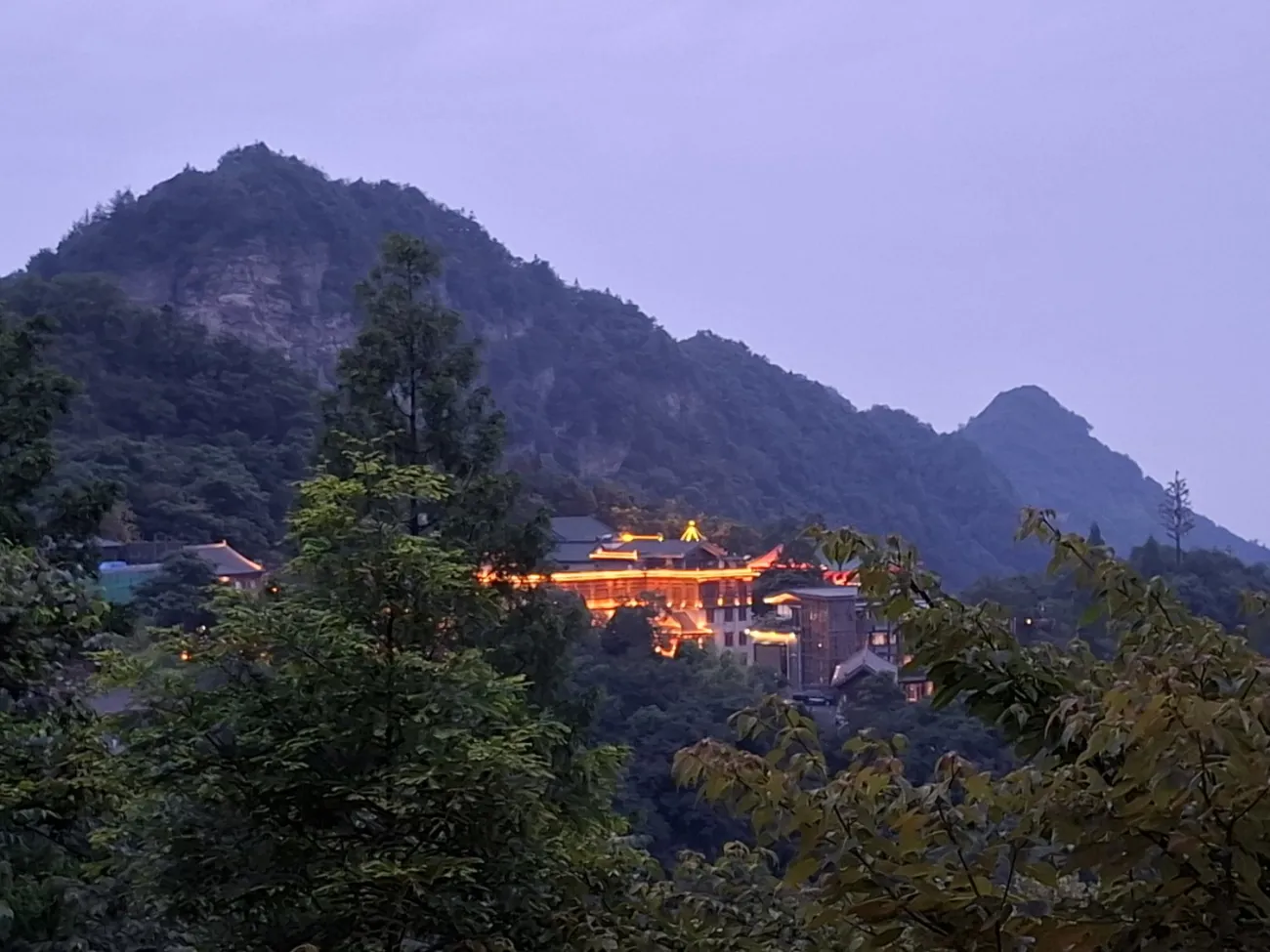
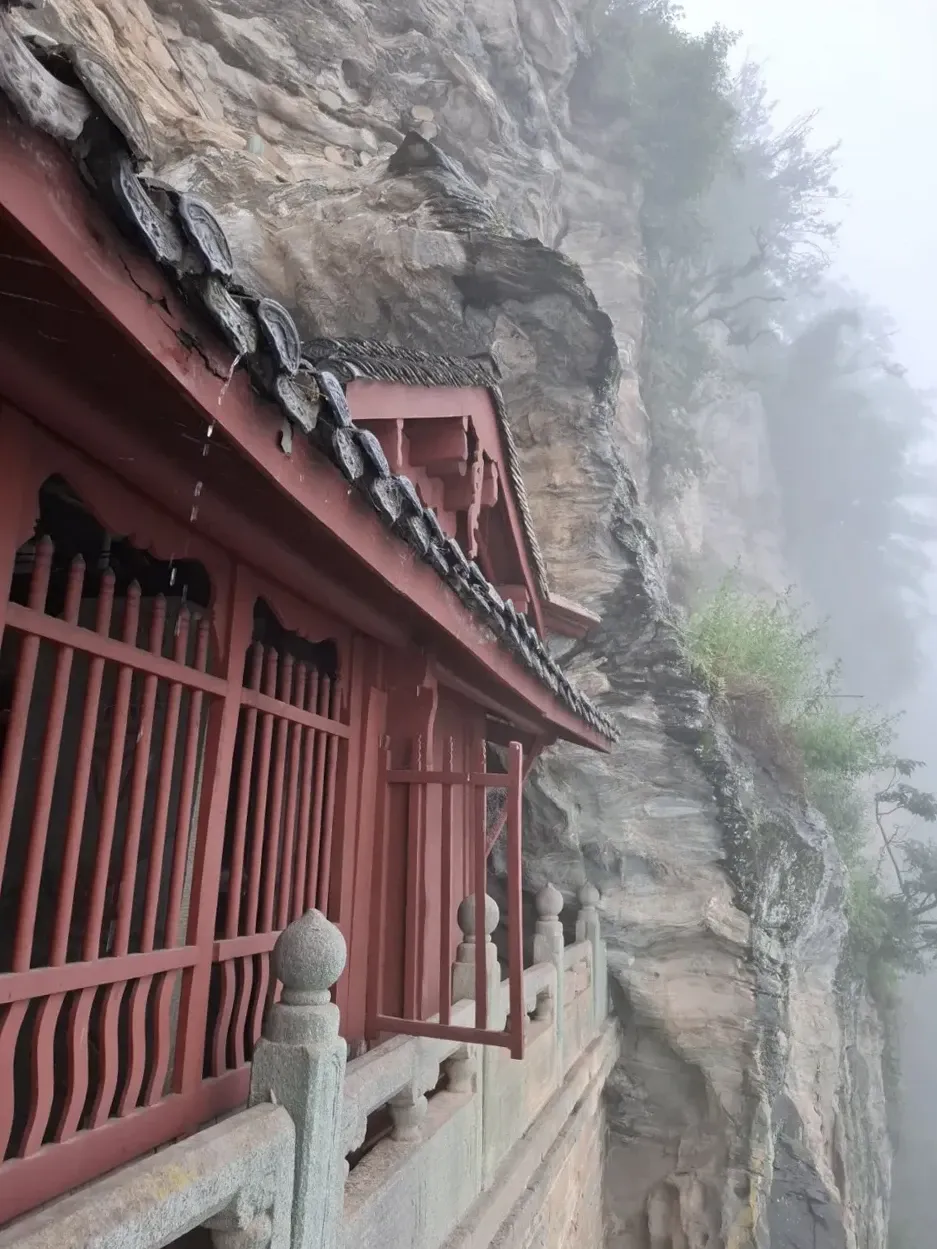
Steep green mountains, sharp ridges fading into mist …, red buildings with shining green roof tiles …, temples on the edge of cliffs, a weave of buildings and stairways winding toward the summit of a steep mountain …, refuges carved into living rock …, a snow-covered mountain landscape dominated by only three colors: white, black-brown, and red …, tea plantations on rounded slopes, crisscrossed by winding paths.
Looking at the photographs on the screen, I feel a pleasant excitement come over me. So this is where we will travel: to encounter a new land, its people, their culture, and above all the Daoist teaching. As a passionate mountaineer, I could not imagine a more beautiful setting for broadening my cultural horizons. Later we learned that the Daoist Academy of Mount Wudang had moved to the foot of the mountain, into the temple complex of Jingle Temple near the city of Danjiangkou, where, together with other representatives of the Slovenian Daoist Temple of Supreme Harmony (SDT), I attended the Second Seminar on Daoist Culture. You can read more about this in the article by Lea Širok: https://slovenski-daoisticni-tempelj.si/en/blog/second-international-seminar-daoist-culture-when-learning
No matter; we would spend a few free days in the mountains before returning home. SDT Rector Jure Čeh told us that as part of the seminar we would certainly visit the highest peak, Tianzhu, at an elevation of 1,612 m, where the Golden Temple (Taihe Temple) stands. Visitors usually shorten the route to it by taking a cable car. But it is also possible to make the circuit on foot and partly by bus.
The Wudang Mountains (Wudangshan - 武当山) lie in the northwest of China’s Hubei Province. The name is used both for the entire mountain range (which runs from east to west along the southern edge of the Han River) and for a group of peaks located near the cities of Shiyan and Danjiangkou. This specific area is known as one of the four sacred Daoist mountains and as the cradle of the internal martial arts of Wudang Kung Fu.
The first Daoist hermits and monks began coming to the Wudang Mountains during the Eastern Han dynasty (25–220 CE). The mountains served them as a refuge for venerating nature, practicing internal alchemy, and seeking immortality. Organized religious activity in these mountains began when Daoism was accepted as a state religion. The first official sanctuary, the Temple of the Five Dragons, was built in the 7th century by Emperor Taizong of the Tang dynasty.
During the Song dynasty (10th–13th century), the legendary Daoist monk Zhang Sanfeng attained immortality in these mountains. He was a master of Shaolin external martial arts, characterized by proactive attacks, energetic movements, and explosive power, with an emphasis on training the external muscles; it is to him that the origins of the concepts of internal martial arts, especially Taijiquan, are attributed.
Legend says that he once observed a fight between a magpie and a snake. He was deeply inspired by the snake’s defensive tactics, as it avoided the bird’s repeated attempts to peck it with soft, circular movements, defending itself against every attack by the magpie until it launched a swift attack of its own and bit its assailant to death.
Temple construction in Wudangshan reached its peak during the Ming dynasty (14th to 17th century). At that time, there were said to be 9 palaces (temple complexes), 45 monasteries, and 72 temples in these mountains. The temples had to be regularly restored, and not all of them were able to withstand the ravages of time. In 1994, the entire complex of buildings was inscribed on the UNESCO World Cultural Heritage List. At the turn of the millennium, extensive modern restorations of the temples began.
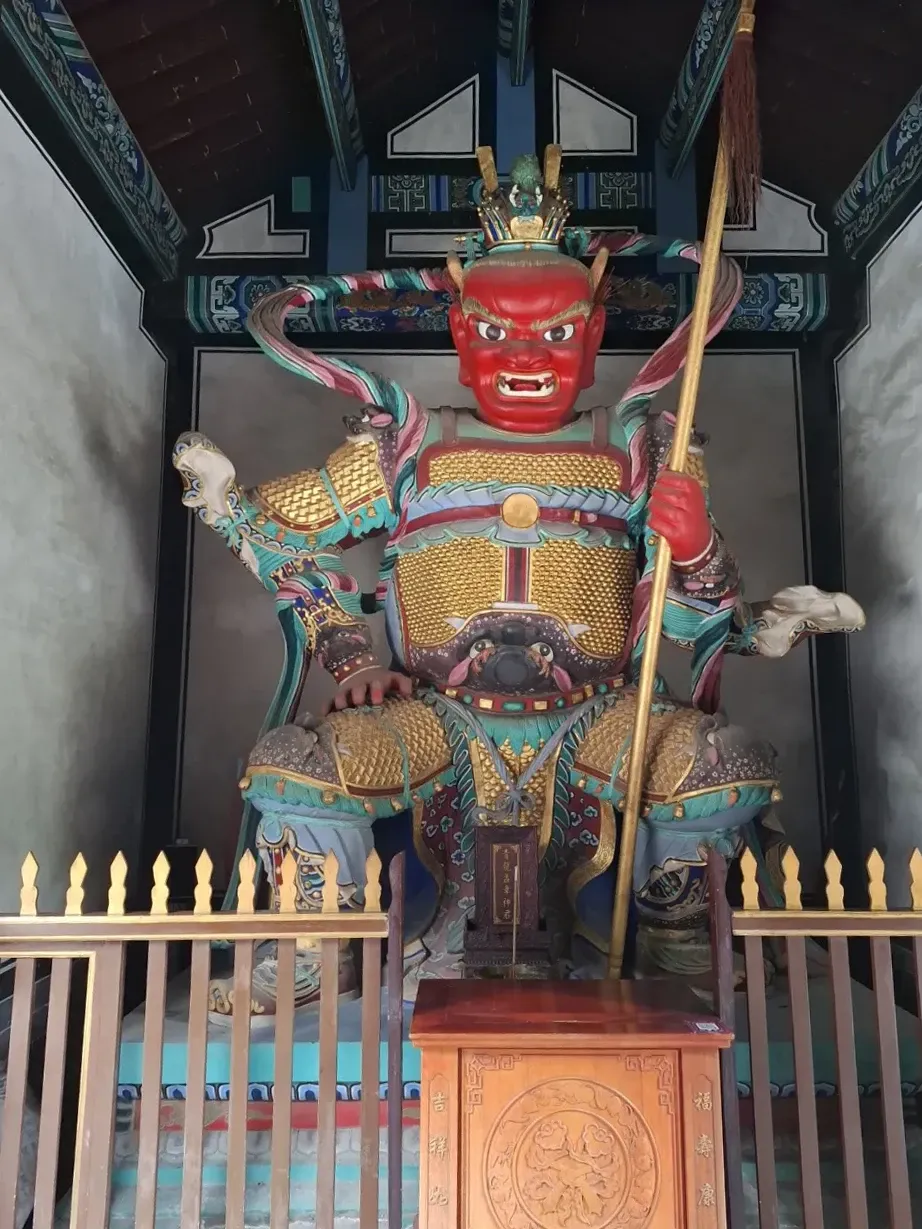
During our stay in these mountains, we visited quite a few temple complexes, of which I will mention only the largest.
Yuxu Palace (full name Xuantian Yuxu Palace) was one of the largest and most important Daoist palaces in the Wudang Mountains. It was built during the Ming dynasty (around 1413) as a royal religious center. It is located at the foot of Mount Wudang in the town of Wudangshan, about four kilometers from the main entrance gate to the Wudang Mountains (Xuanyue Gate). Because of its size—in its heyday it had more than 2,200 buildings—Yuxu Palace was considered one of the most important in these mountains. Architecturally, it imitates the Forbidden City in Beijing. It burned down during the Qing dynasty, and in 1935 it was further destroyed by a flood. In 2012, an extensive restoration was completed, returning part of their former glory to the temples.
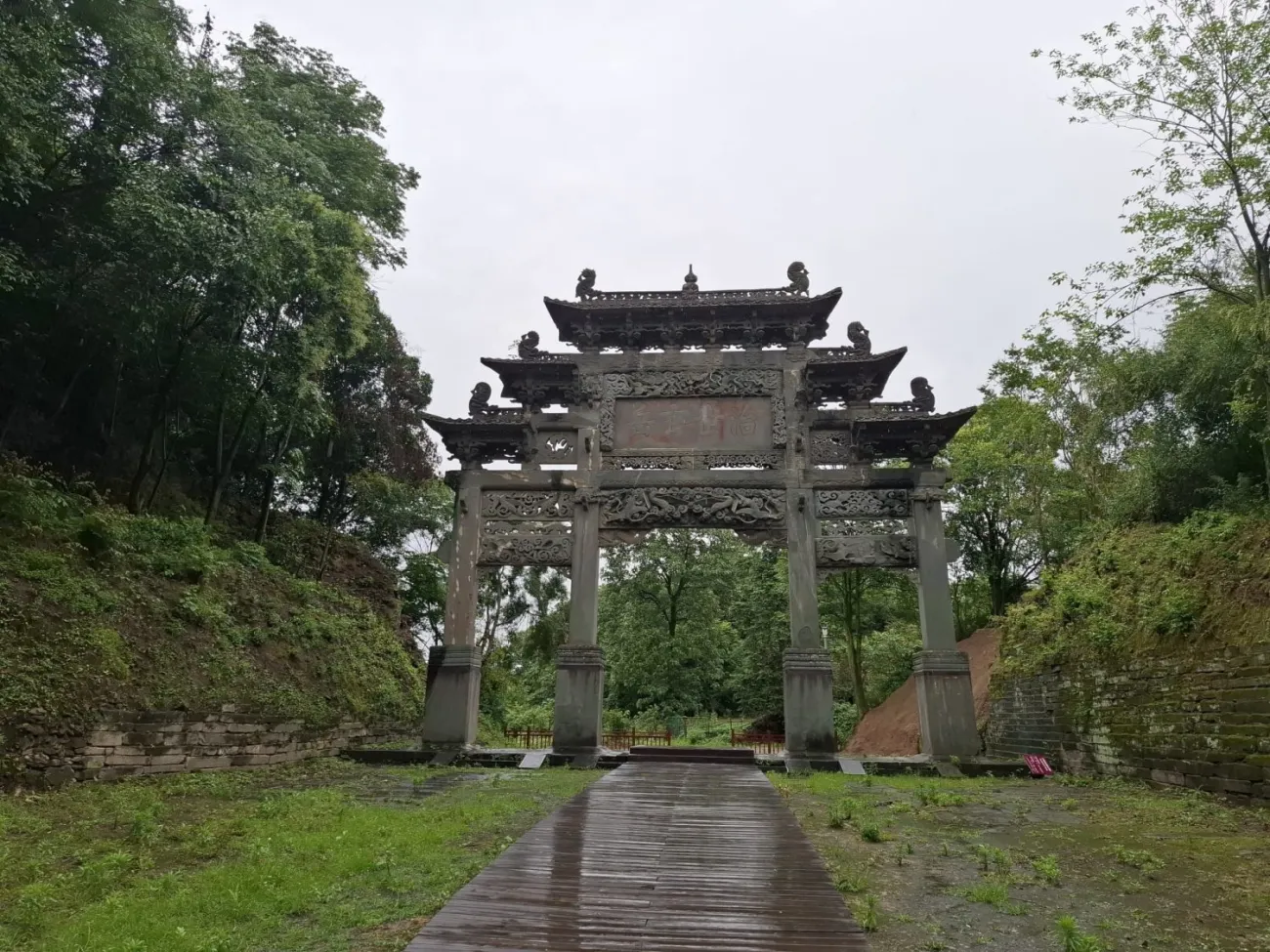
Xuanyue Gate is a striking stone archway, built in 1552 during the Ming dynasty. It stands at the foot of the Wudang Mountains and served as the traditional entrance to the area of this sacred mountain. It is built entirely of stone, without wood, iron, or nails. It is decorated with intricate patterns reminiscent of wooden carvings. It is fitted with special mortise-and-tenon joints that have withstood centuries of earthquakes and weathering. It marks the spiritual boundary where pilgrims and travelers began their ascent of the sacred mountain and their visits to its many temples.
Yuzhen Palace, built in 1412 during the Ming dynasty, is the largest Daoist temple complex in Wudangshan. It is dedicated to the legendary founder of Taijiquan, Zhang Sanfeng, and has a spacious courtyard where martial arts students practice every day. The entire complex was raised by 15 meters to prevent flooding after the construction of the dam and reservoir on the Han River.
The museum in the city of Danjiangkou presents the construction of this dam, which began as early as 1958. At the time, the South-to-North Water Diversion Project, whose purposes included providing drinking water for Beijing and the north of the country, created the third-largest reservoir in Asia and the largest in China. For this purpose, 160,000 residents were relocated. The photographic material in the museum shows the incredible collective labor carried out by workers practically with their bare hands—that is, with only pickaxes, shovels, and wheelbarrows.
Between 2005 and 2009, the dam was raised to facilitate its connection to the South-to-North Water Diversion Project. As a result, the water surface increased from 700 to 1,000 km², and storage capacity from 17.45 billion cubic meters to 29.05 billion cubic meters. This expansion required the relocation of more than 345,000 people. The move was especially difficult for the rural population, who were accustomed to living on and from their own land, but were relocated to newly built apartment-block settlements. What made the move easier for them was only the awareness that they had thereby contributed to the common good.
We know that the collective spirit in Asian cultures is based on a deeply rooted concept of community, where the individual has a role primarily as part of a whole, where the interests of the broader community are placed before personal wishes, and where the success of the entire group is considered the highest achievement. In the West, we were capable of actions of this kind only in postwar Europe, when entire towns and villages had to be rebuilt. Our generation still remembers the stories told by our parents, who took part in youth work brigades in the former common state of Yugoslavia. In the construction of the dam on the Han River, of course, all the numbers were exponentially larger.
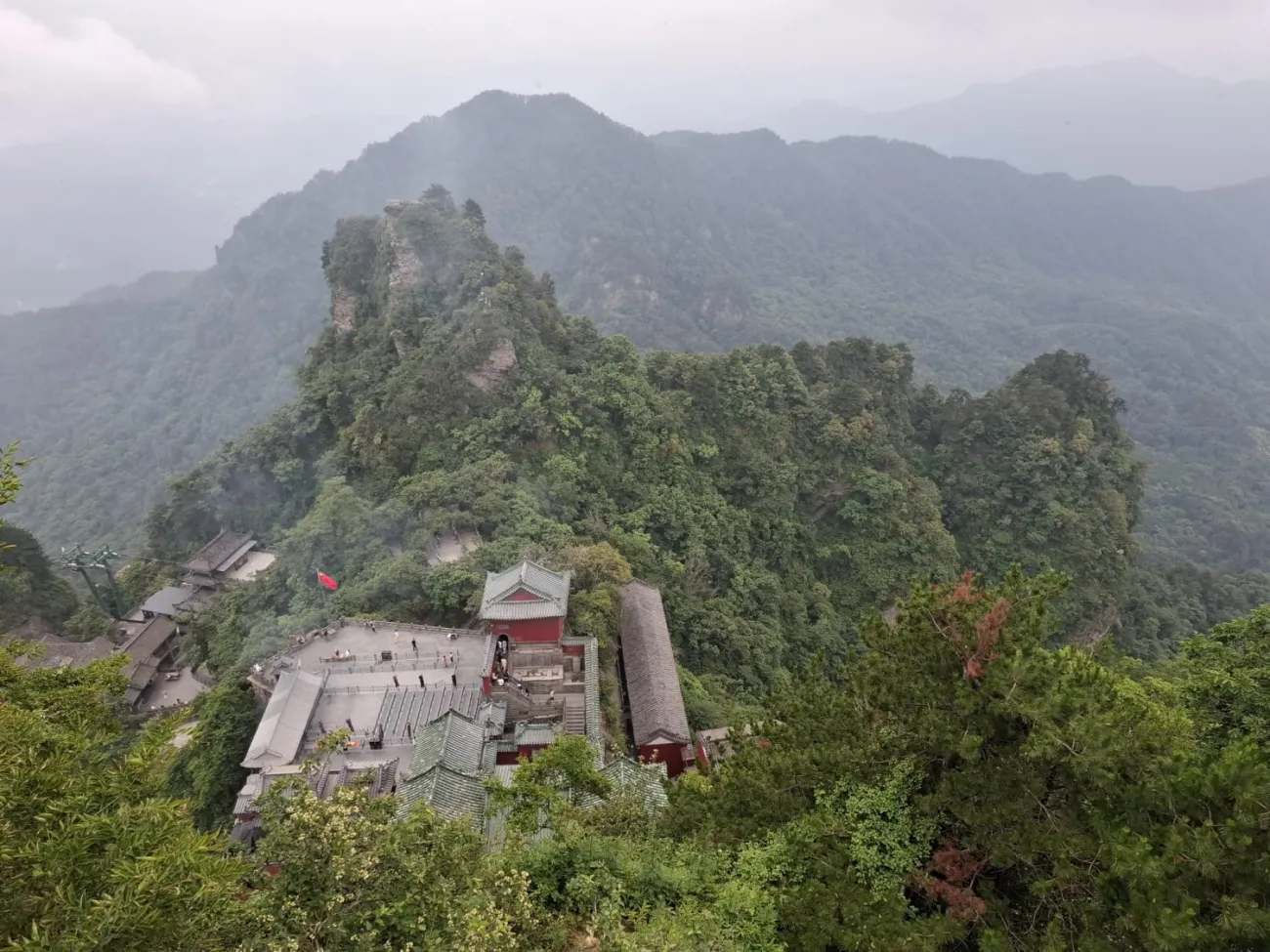
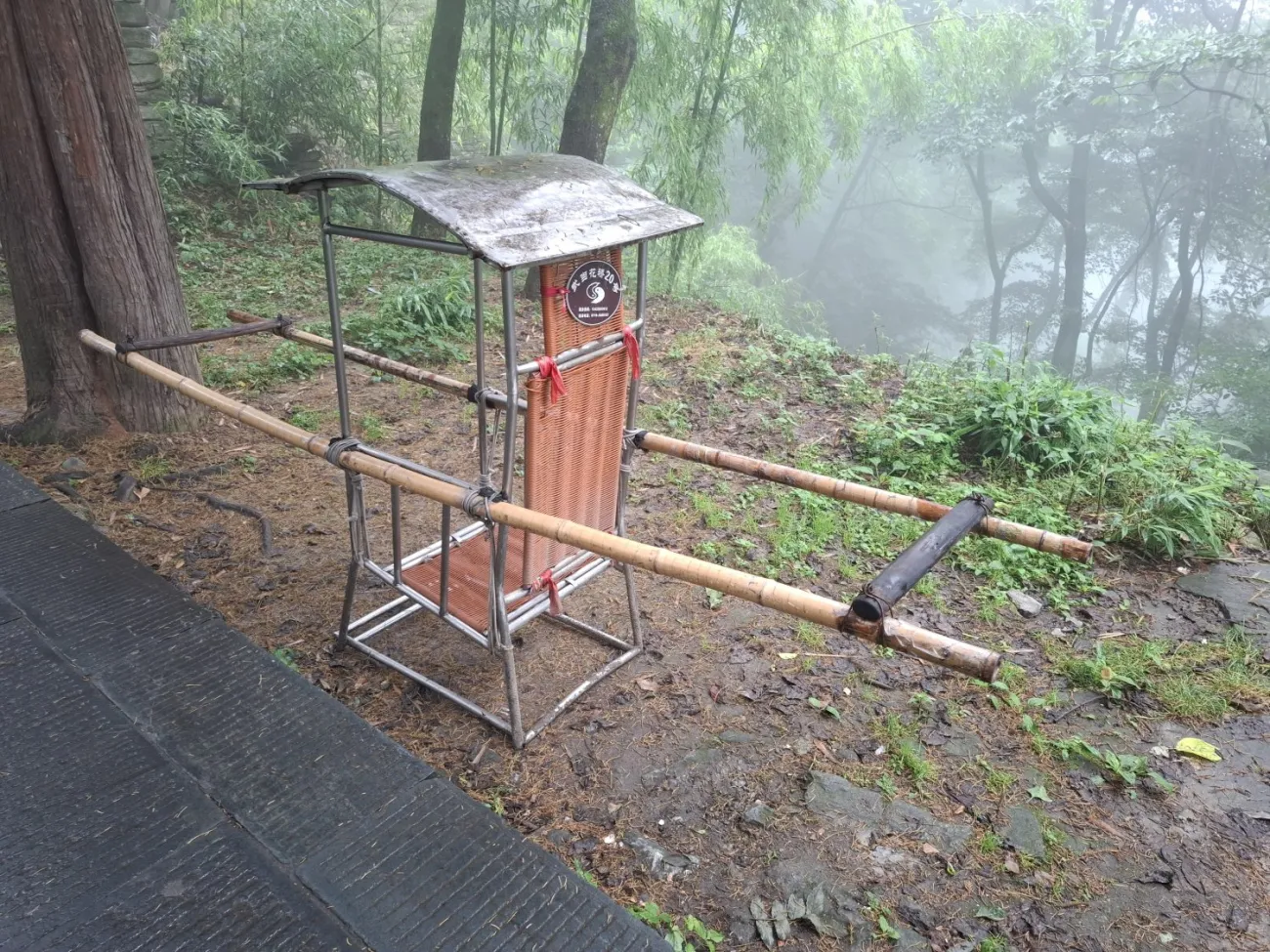
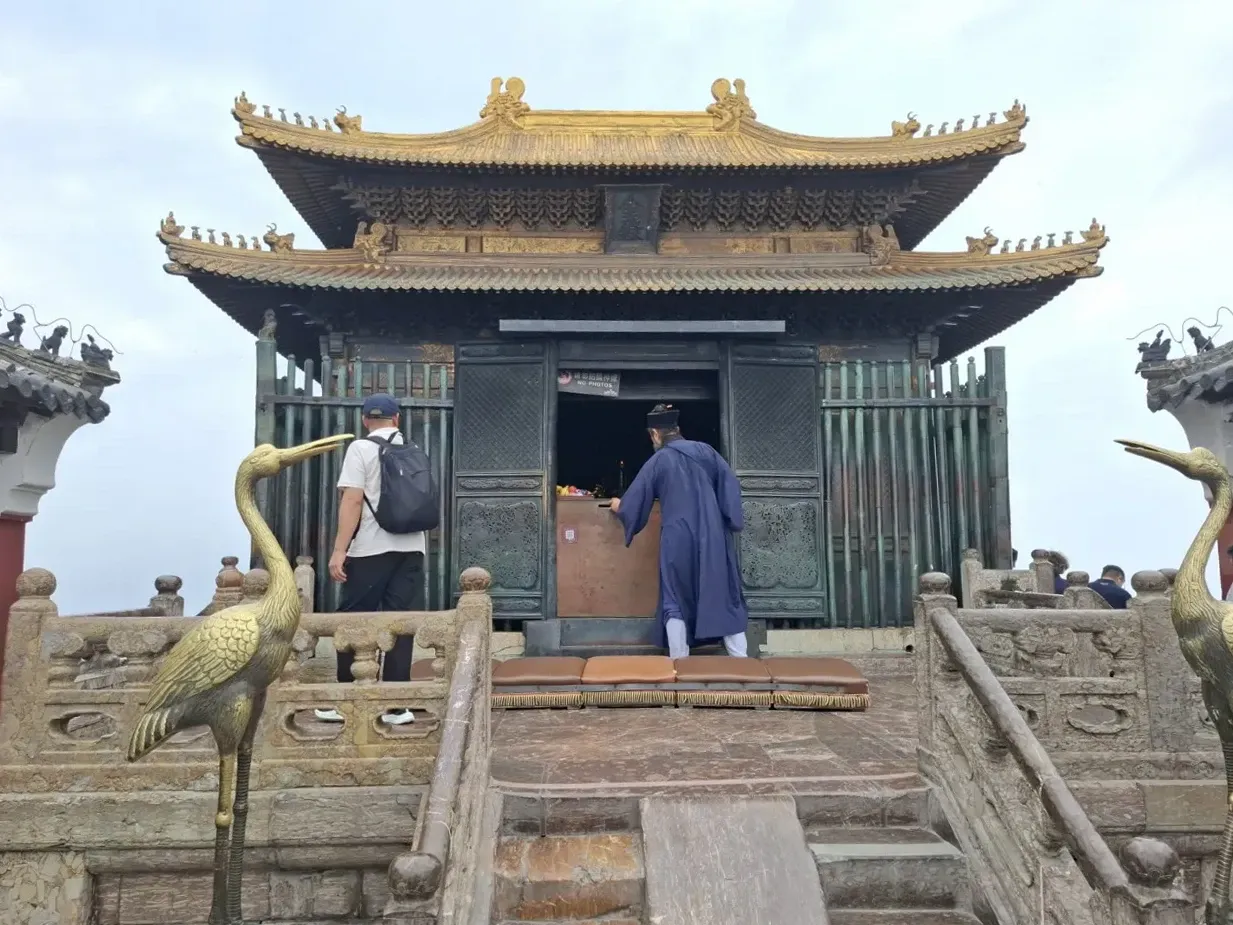
The Golden Temple (Golden Temple) stands on the highest peak of this mountain range, Tianzhu Peak (1,612 m). This impressive Daoist sanctuary, built in 1416 during the Ming dynasty, is made of gilded bronze. On a sign standing in one of the courtyards of the temple complex, I read that at the height of its flourishing it comprised 550 buildings, of which around 150 still stand today. A community of monks still lives in the temple, facing crowds of pilgrims and other visitors every day. During our group visit to the temple—we could say we were on the closing excursion—we saw quite a few pilgrims dragging themselves along the steel cables from the top of the cable car toward the temple, utterly exhausted. Those who lose strength can pay to be carried in a sedan chair. The question, of course, arises of how the deities look upon this kind of practice. Most likely, they benevolently turn a blind eye.
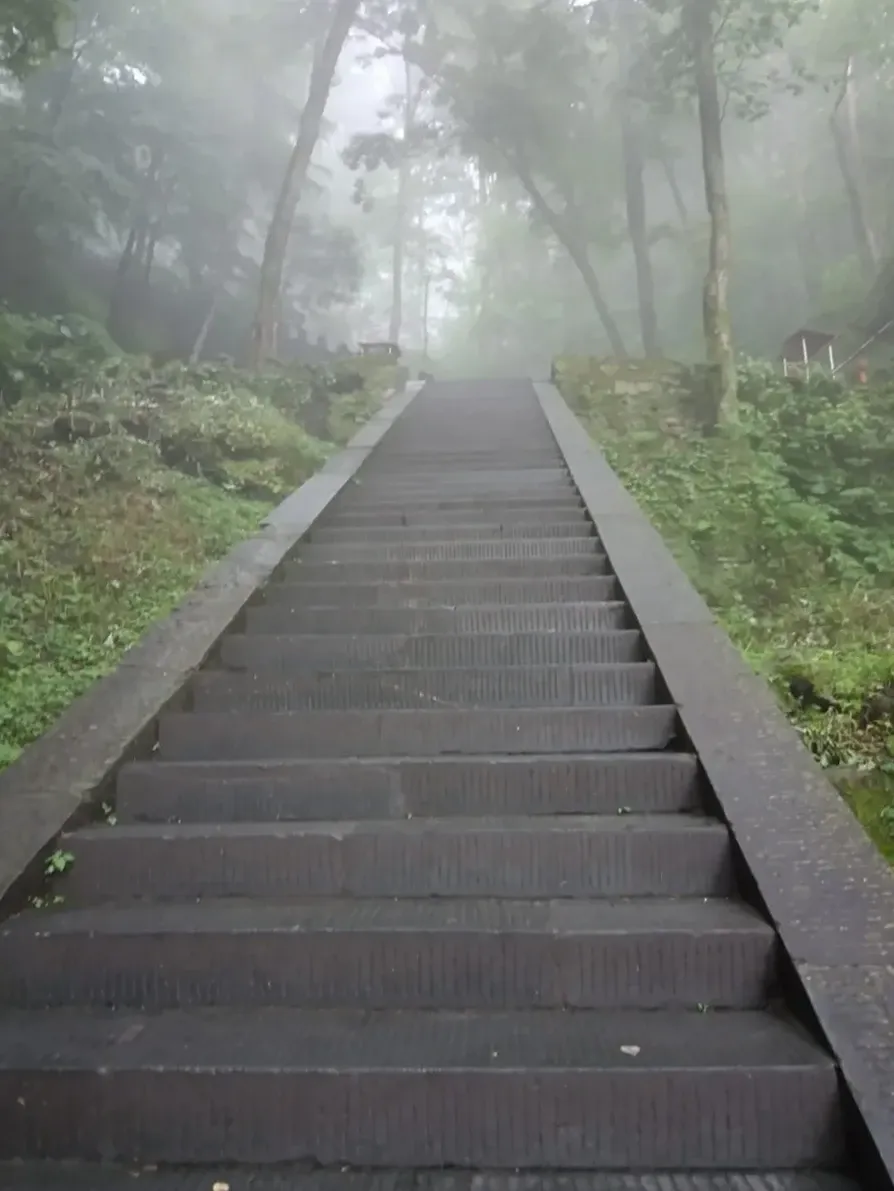
For mountaineers accustomed to more or less well-trodden mountain paths, trails, and trackless terrain, I should emphasize that the footpaths between the temples and peaks in Wudangshan are almost entirely paved with stone. These are ancient pilgrimage routes that rise and descend steeply through the wooded landscape and around the ridges. The old steps are uneven in height and width, partly covered with moss, so good hiking footwear is recommended. Many visitors, however, set out wearing completely unsuitable shoes.
Even if you are used to walking uphill, the day after the ascent you will almost certainly be surprised by sore calf muscles. At least my husband Uroš and I were. It is true, though, that never in our lives had we walked up and down so many steps in a single day. (We had intended to count them, but in our initial enthusiasm we completely forgot.) Roads also run through the mountains, of course, leading to the temples and to smaller settlements with little hotels, restaurants, and shops that have grown up near the larger temples. Visitors must leave their vehicles at the entry points, most often in Wudangshan (Wudang Mountain Scenic Area). After buying a ticket, they can continue from there by free buses to their destination on the mountain.
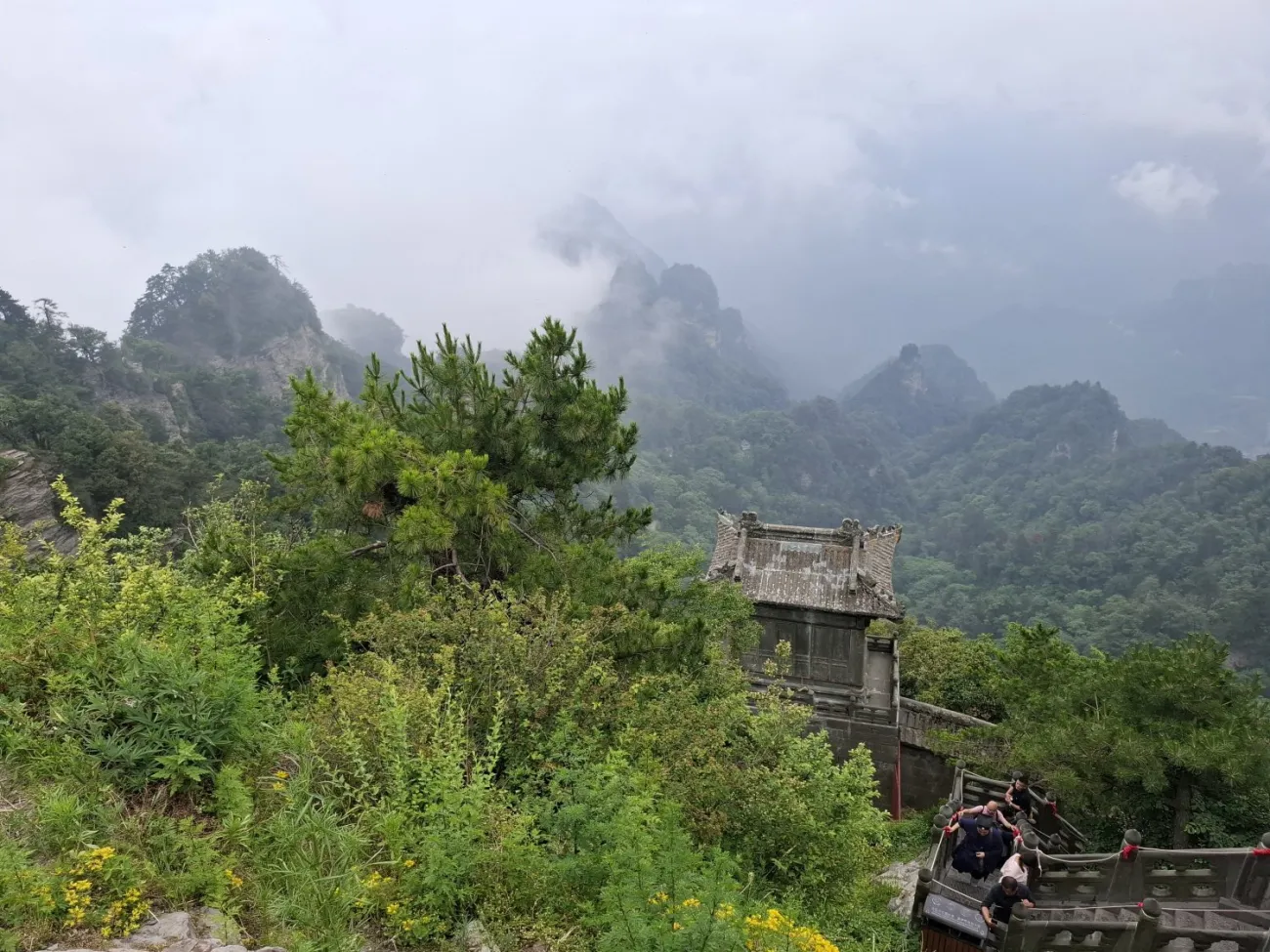
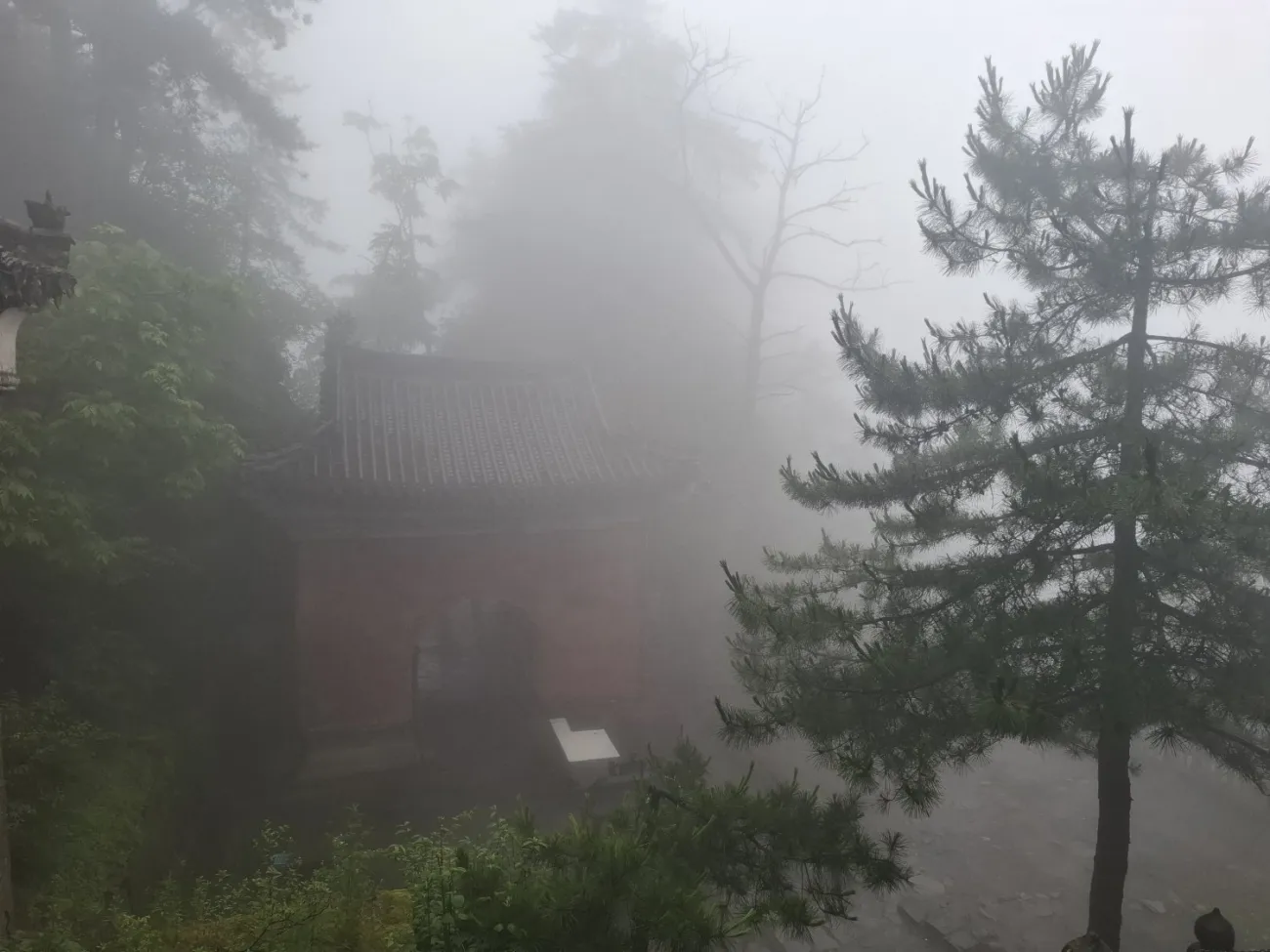
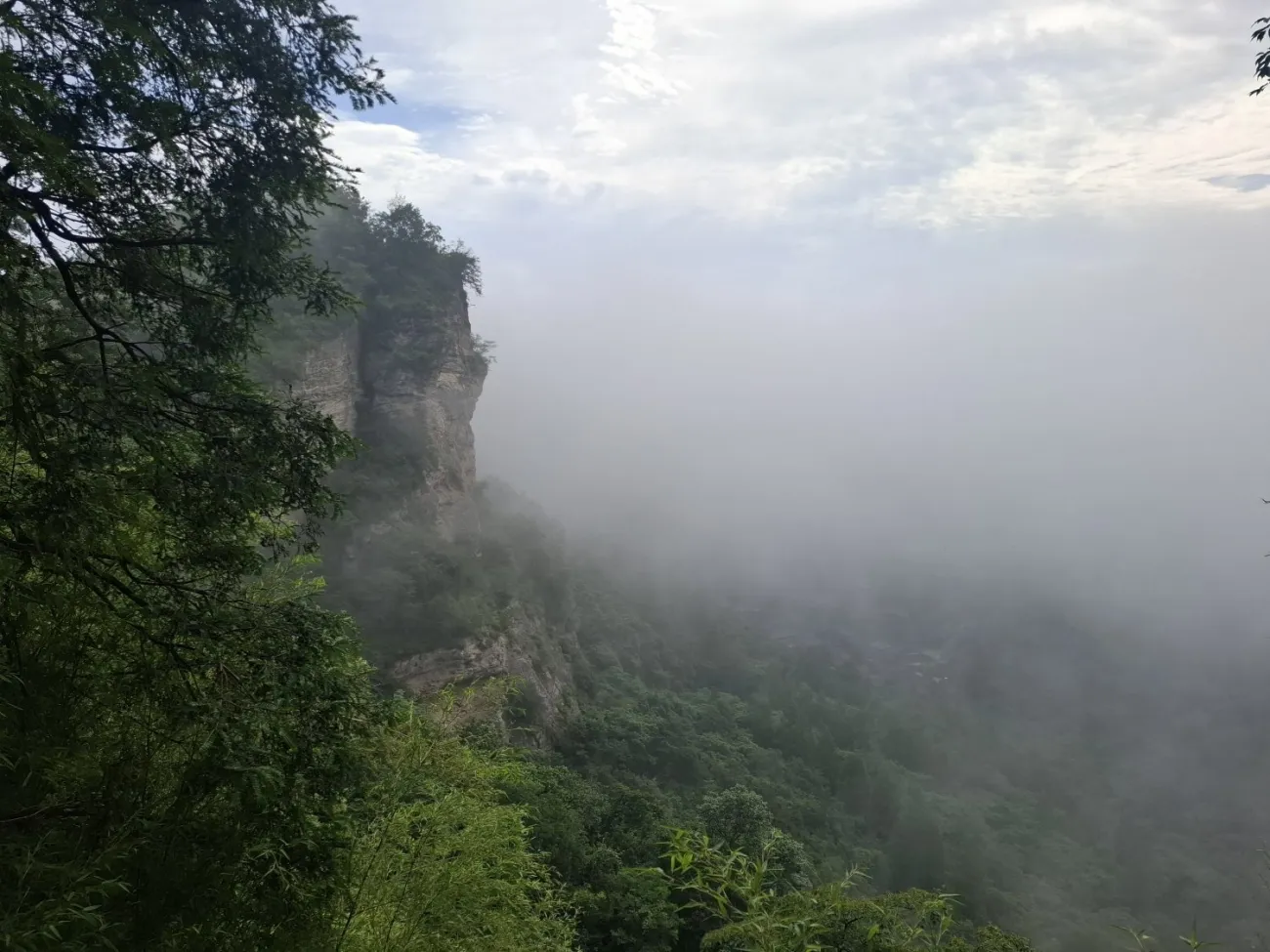
From the peaks there is a fine view over a large part of the mountain range. Behind the nearby mountain backs, many more peaks and small ridges hide and reveal themselves. If the visitor is lucky with the weather, of course. Well, luck is a relative concept; someone might claim that these peaks are most beautiful in the mists that suddenly rise from nowhere. Uroš and I walked the route from Nanyan Palace to the Golden Temple and then down to Qiongtai Palace at the foot of the cable car mostly in the rain, and partly in a real downpour. So we mostly gazed into mystical mists and listened to the squelching in our shoes. But since the previous day, on the closing excursion, we had quite a beautiful view from the summit, we did not feel deprived. Rather, we felt gifted with an abundance of water that washed from us the sweat of the first hour of ascent, when the air was literally saturated with moisture.
At the top, we bought something warm to eat. Simple dishes, which we ate with gratitude while standing under the eaves of one of the temples. Despite the rain, we had a beautiful day. I cannot really claim that I felt very spiritual, although visiting mountains means to me above all contact with what is primordial, unfathomable, and transcendent, and only to a lesser extent do I take it as a physical activity.
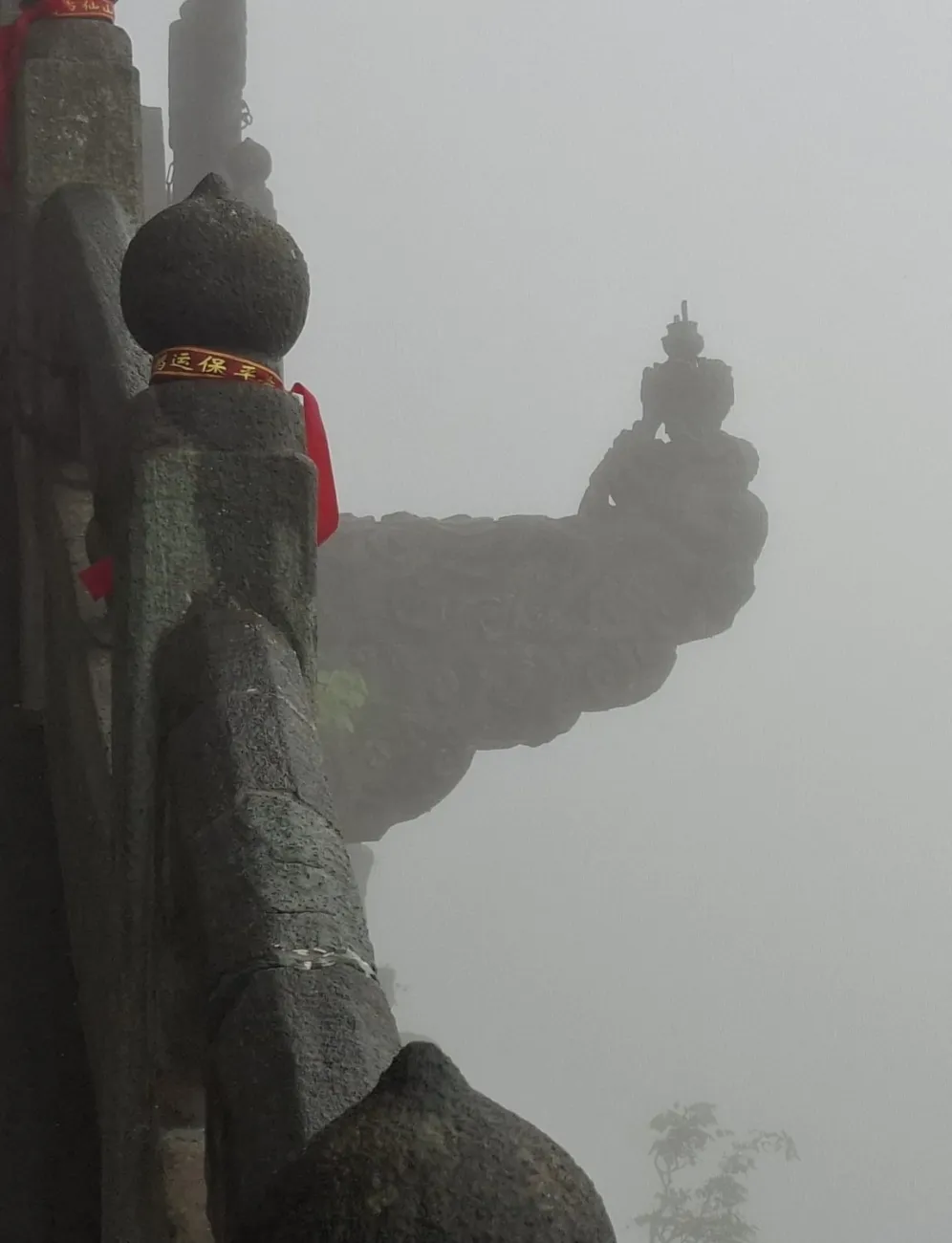
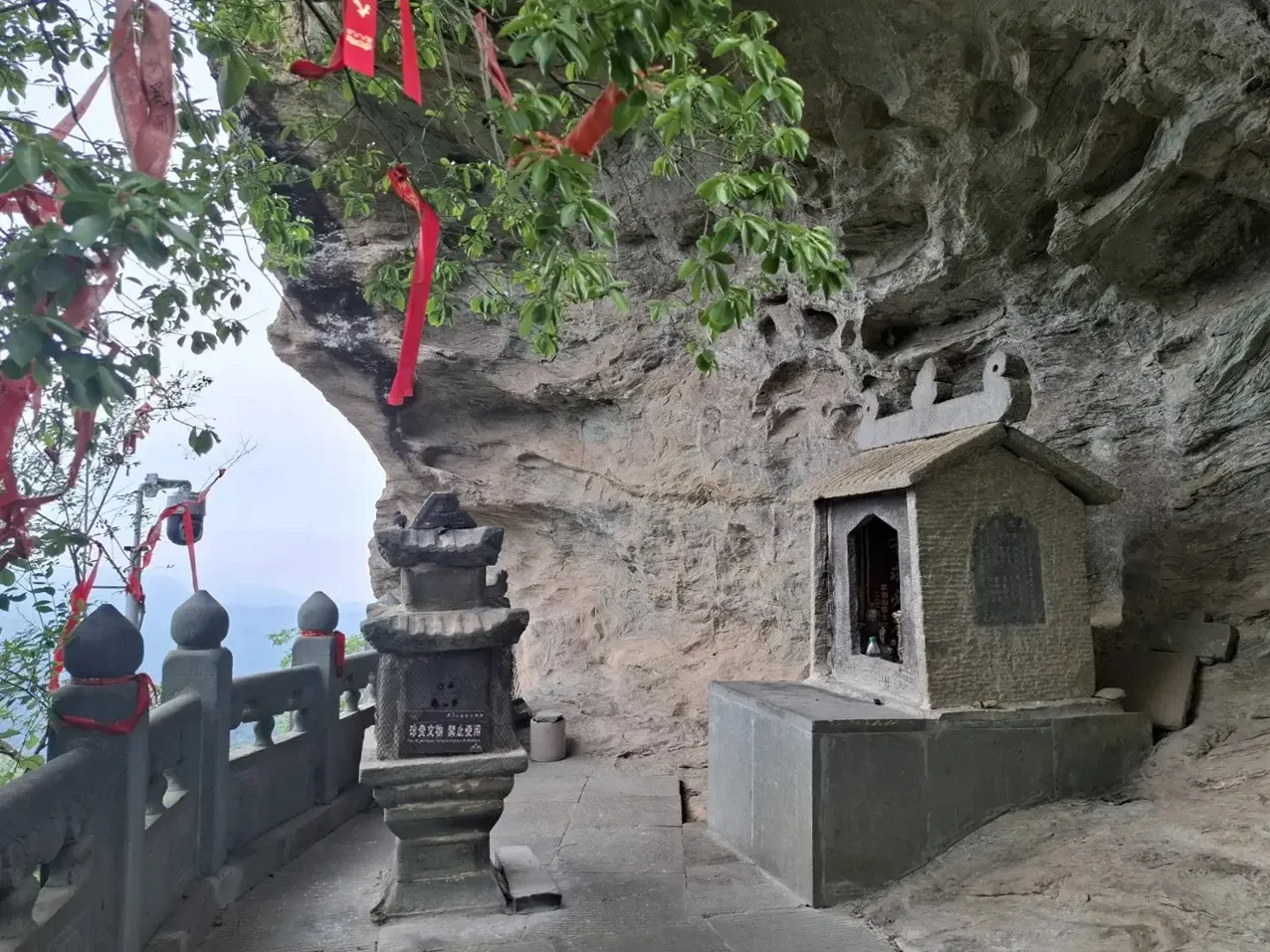
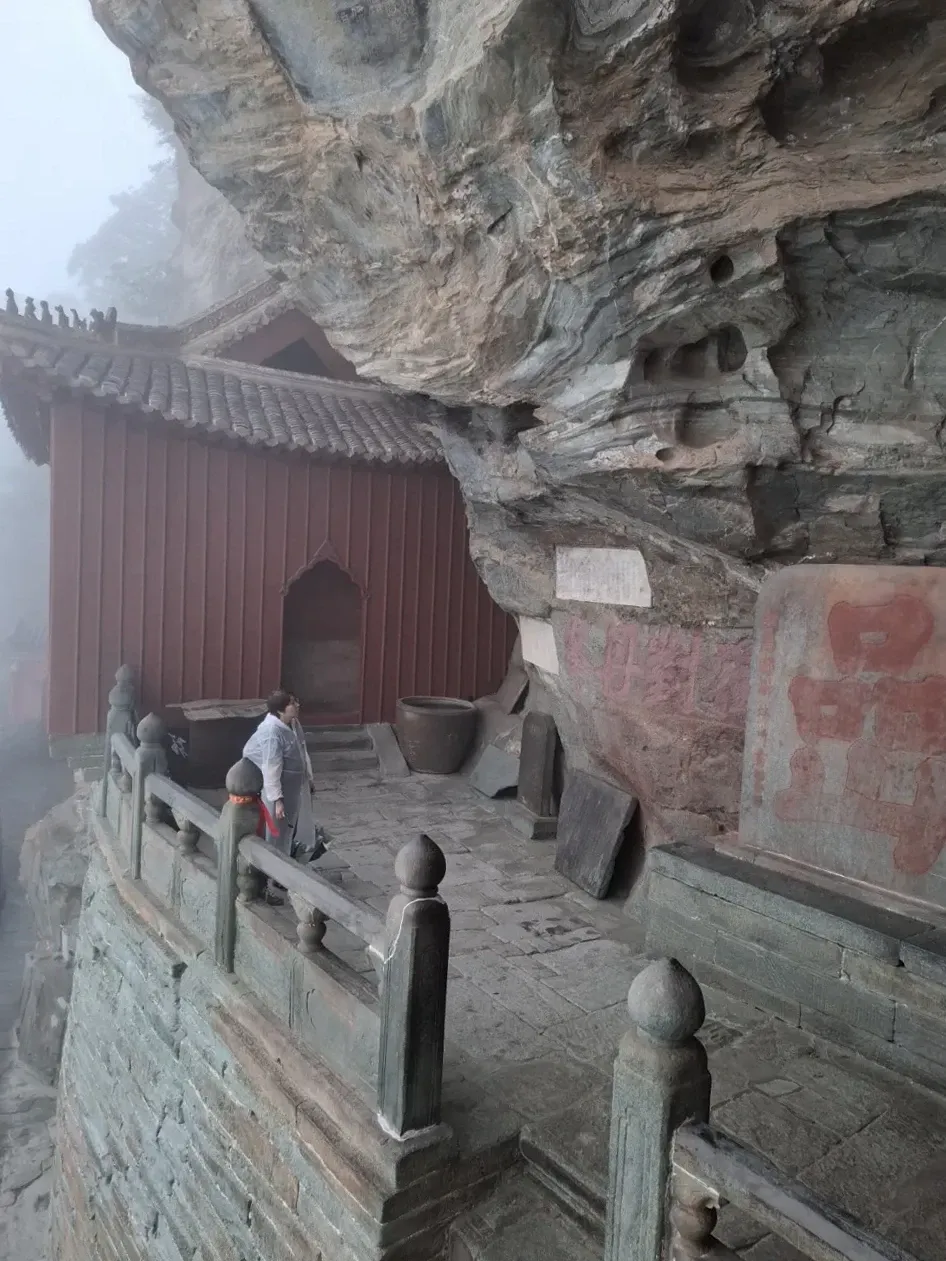
Next, let me mention two more large temple complexes on the mountain: Nanyan Palace, also called the South Cliff Temple (South Cliff Temple), which is one of the most iconic temples on Mount Wudang, as it offers stunning views of the surrounding peaks and valleys. It is known for its dramatic cliffside location and rich history dating back to the Yuan dynasty, for its temples excavated into living rock, and for the exposed incense burner on a dragon’s head that extends far out over the abyss.
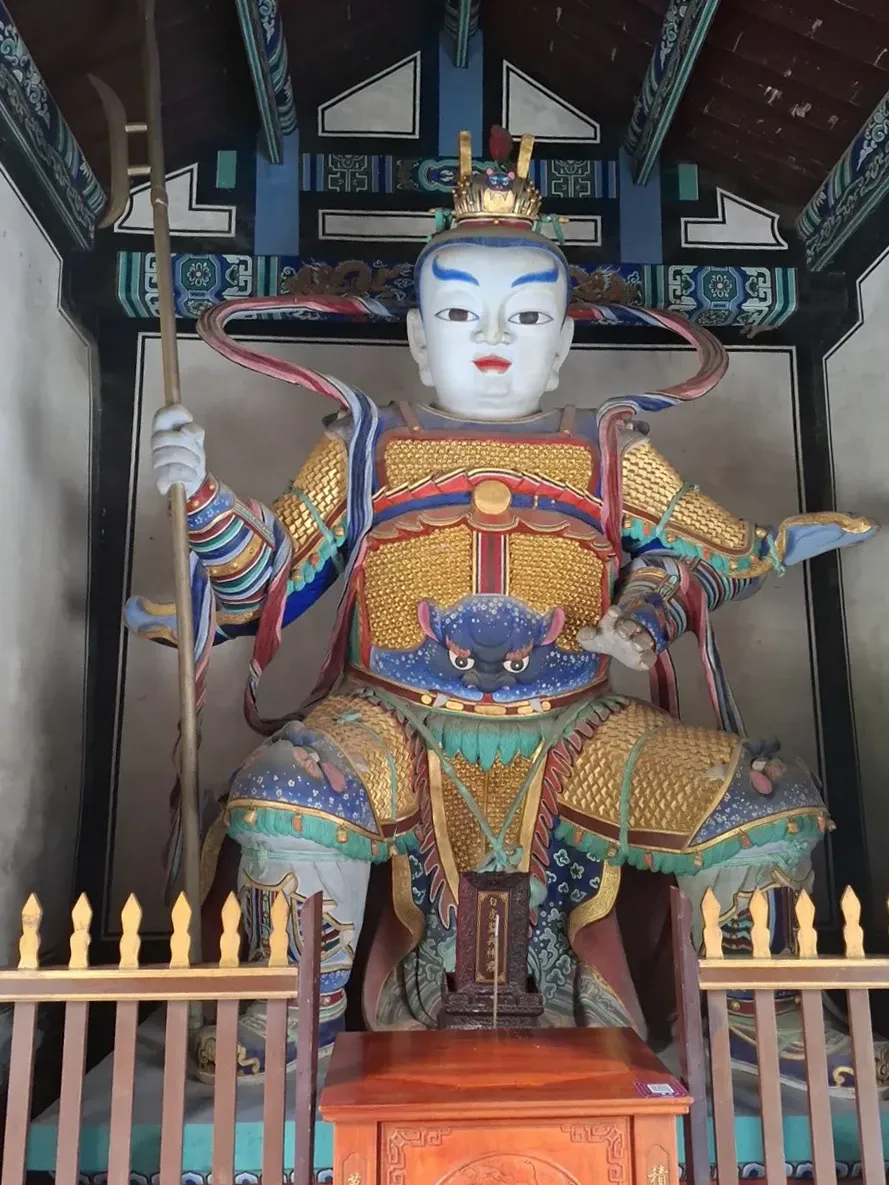
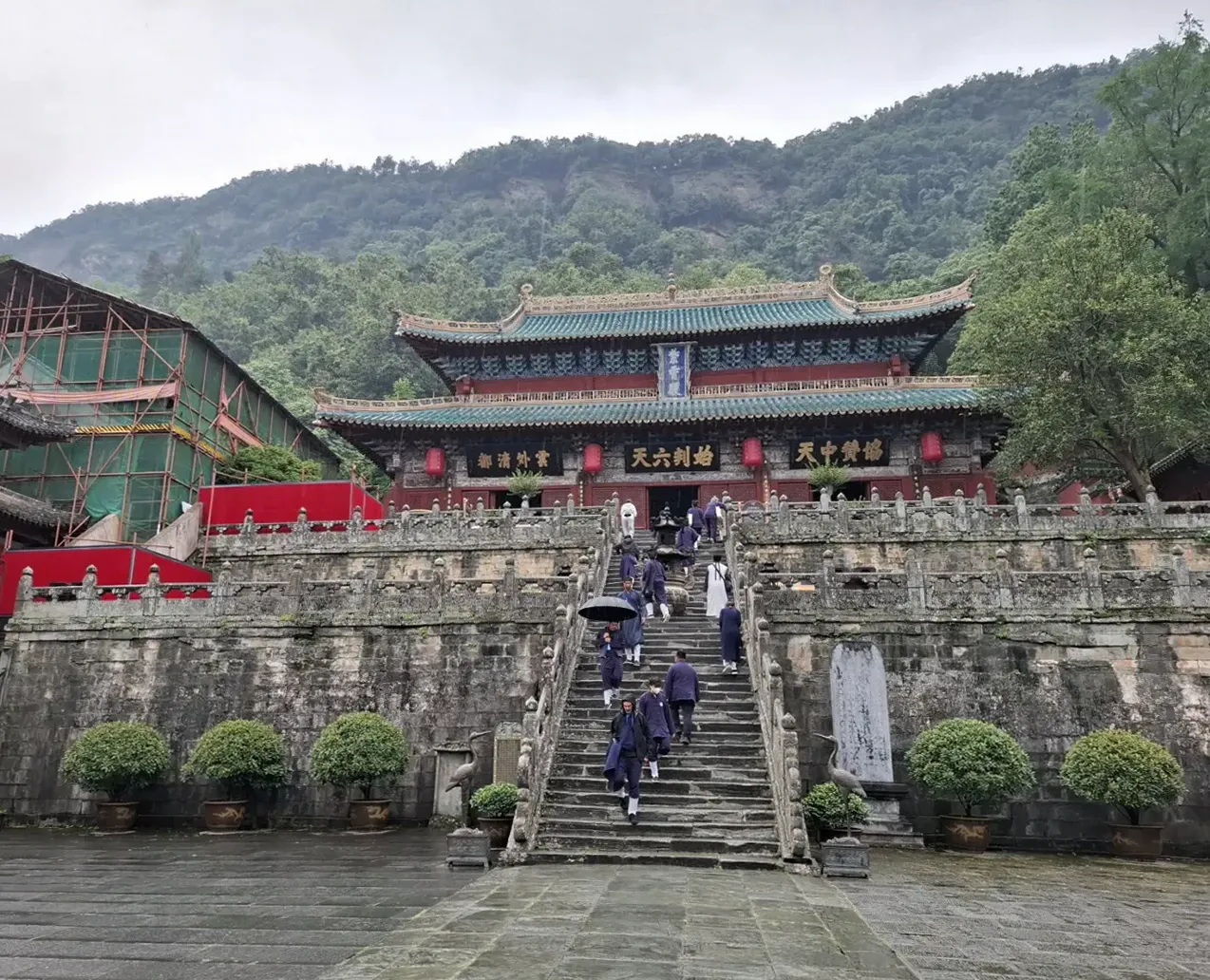
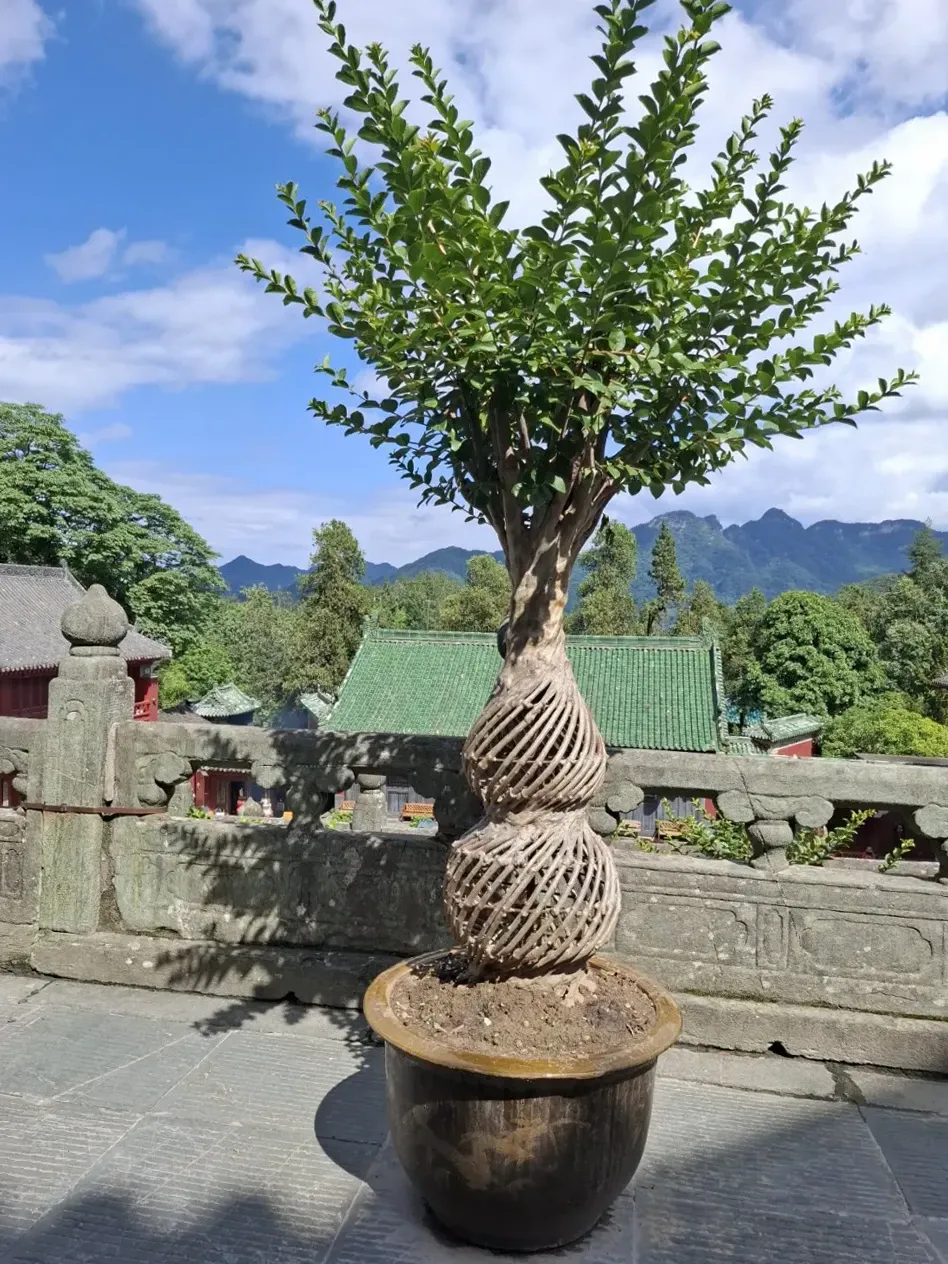
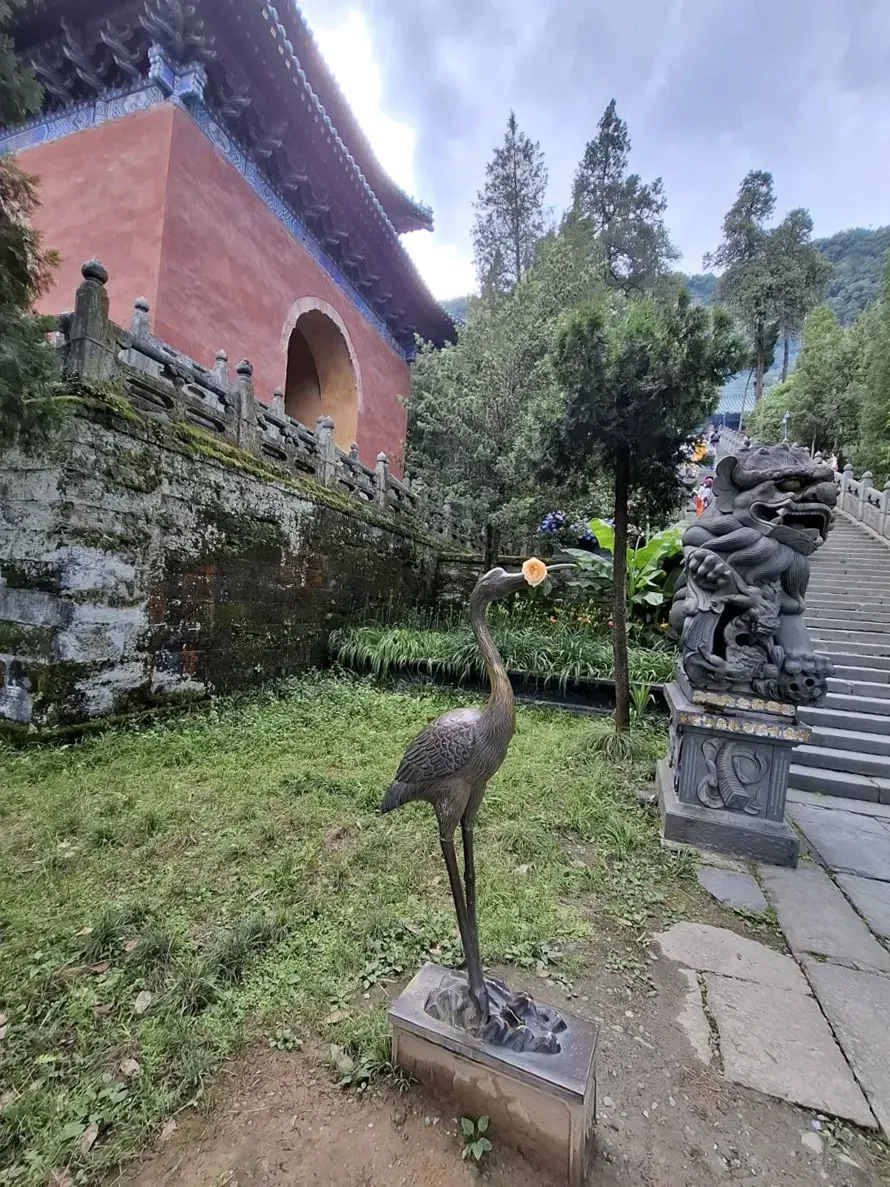
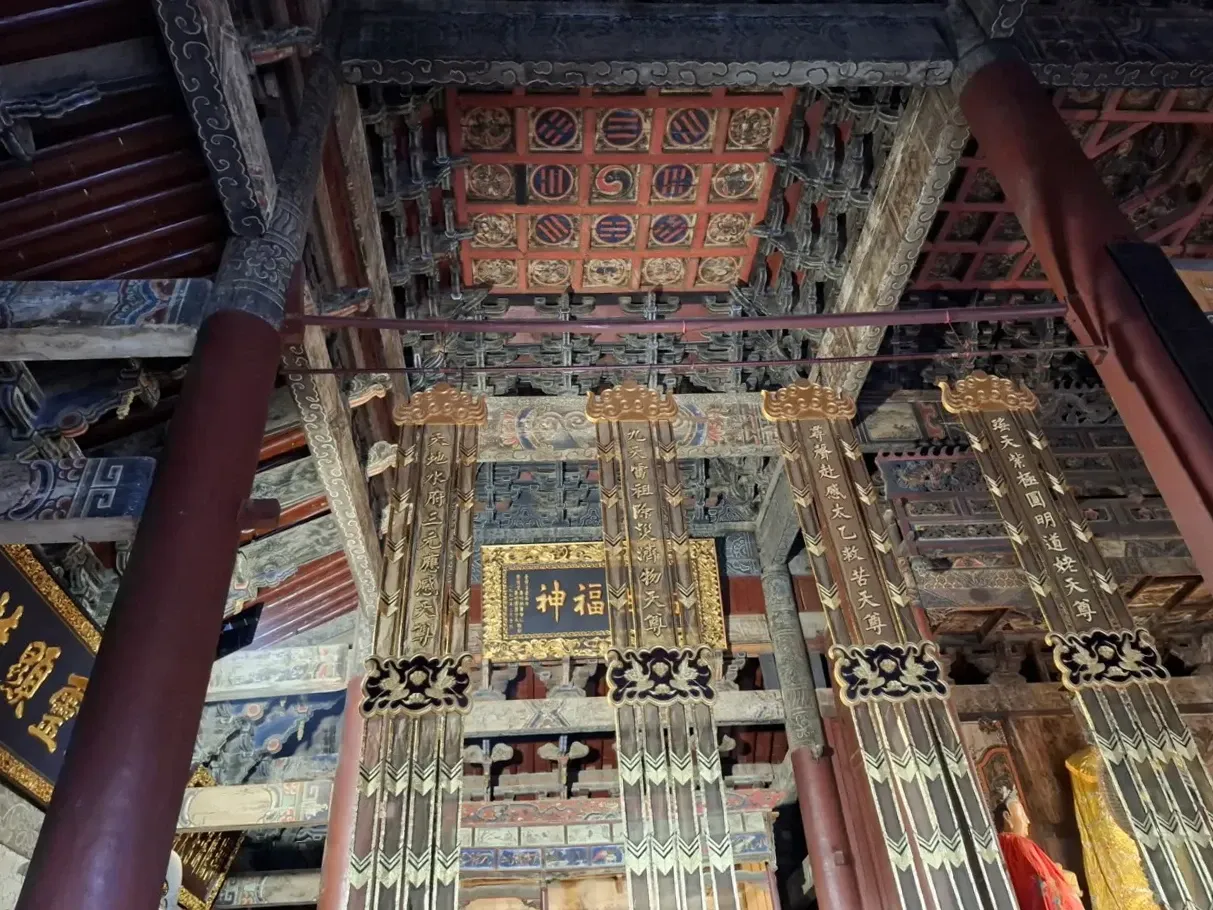
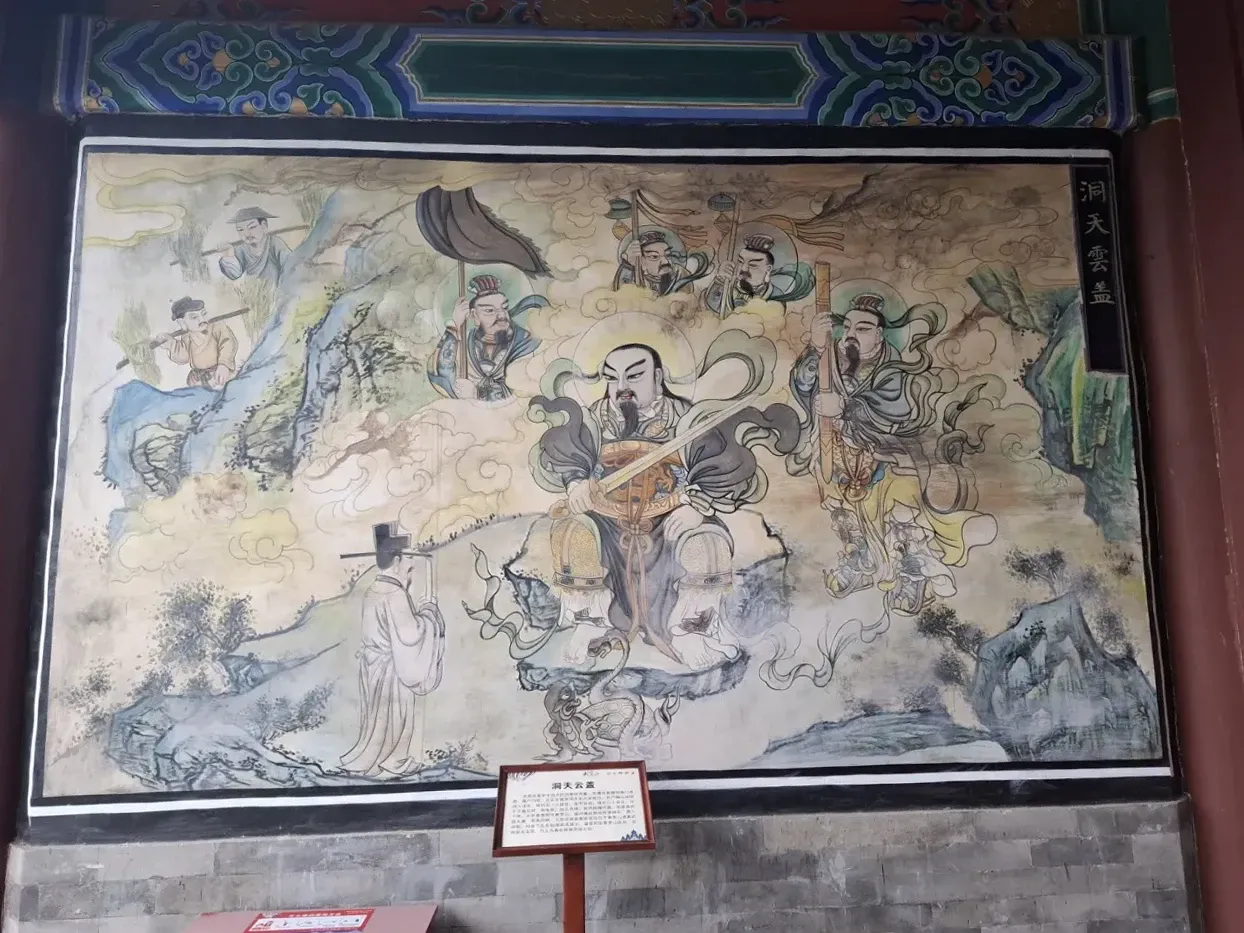
Purple Cloud Temple (Purple Cloud Temple) stands in a very beautiful location at the beginning of a small valley at the foot of Zhanqi Peak. It is bordered by water on its lower side, and steep steps lead up to the temples. The Hall of Purple Heaven is one of the best preserved; it was built during the Northern Song dynasty (1119–1125 CE). After several years of restoration, the buildings now form the best-preserved complex of Daoist architecture. Here we can admire numerous carvings, paintings of dragons, phoenixes, the sun, the moon, clouds, thunder, the sea, the sky, birds, beasts, and plants, as well as statues of Daoist immortals, full of color and living energy. The buildings are arranged symmetrically; on the way to the final hall, we must cross three inner courtyards and climb steeply.
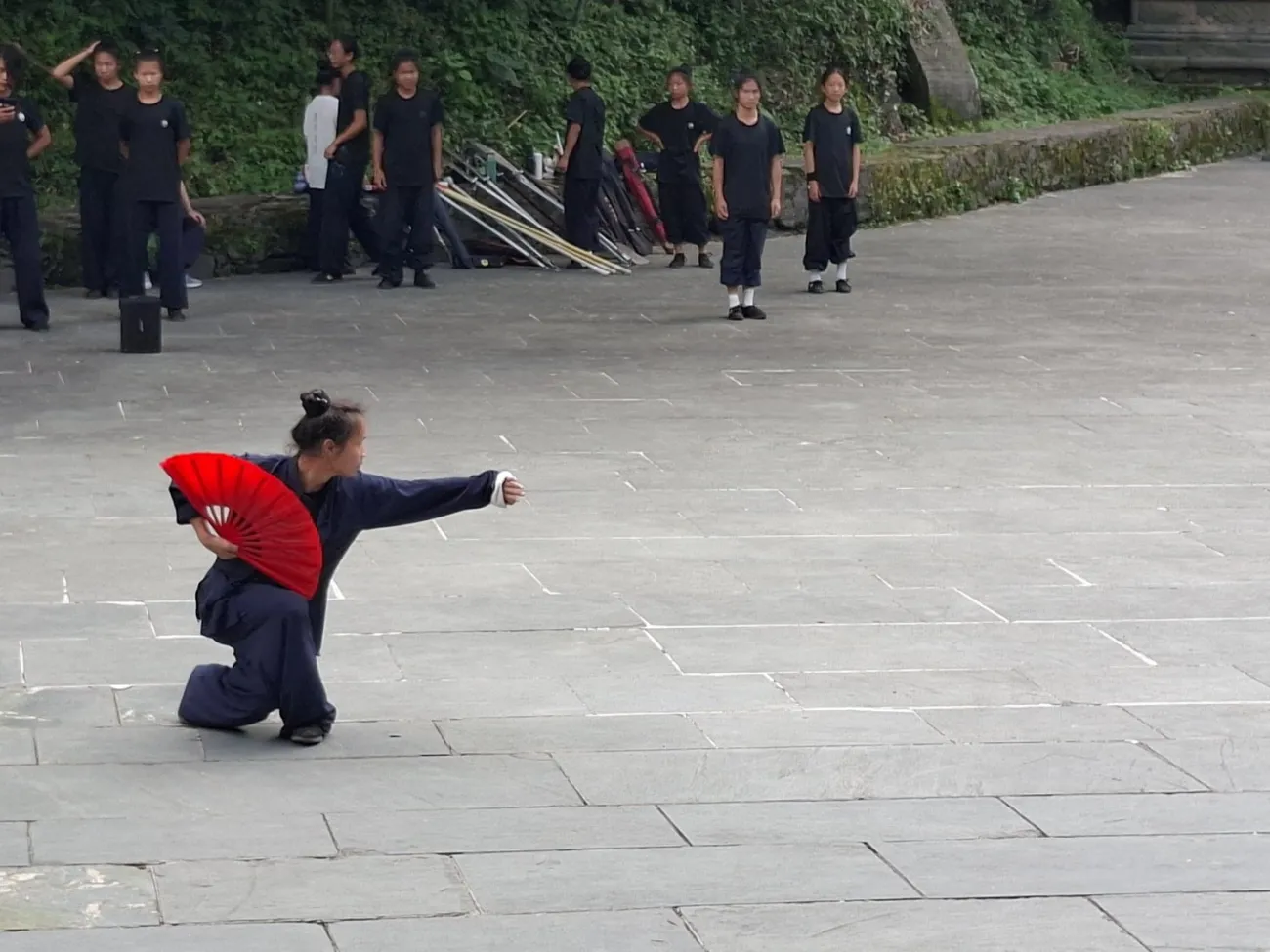
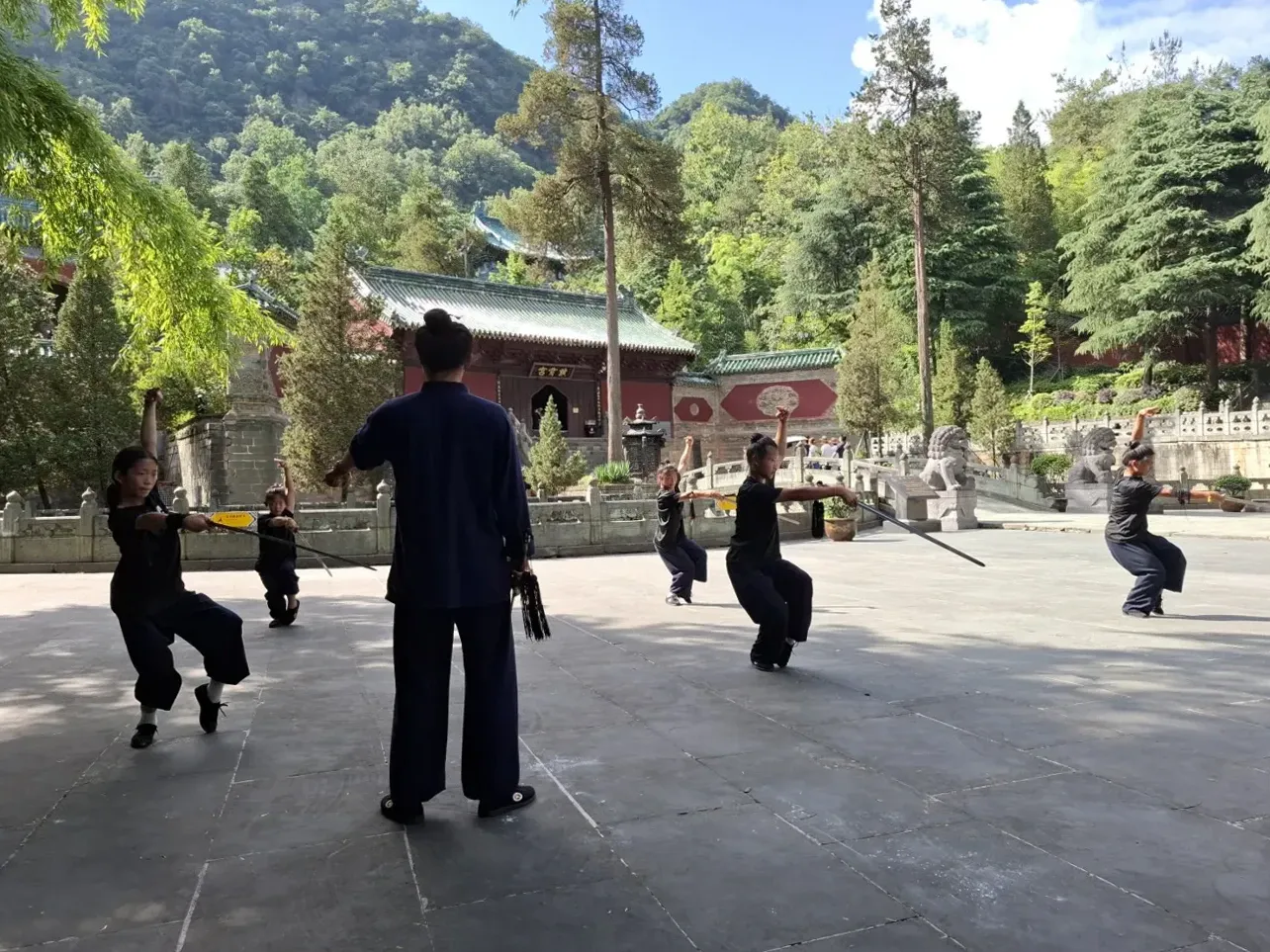
On the platform in front of the temple, we had the opportunity to watch a performance by young Chinese students of Taijiquan. They demonstrated several forms; one group performed a sword form, and the slightly older students also demonstrated with a halberd, whip, and fan. They were led by older peers. They drew the spectators into the practice, so that together they performed a few simplified elements from the Eight Brocades. The performance was followed by a lesson. A small group of boys and girls repeated a few sword movements in the hot sun almost to the point of exhaustion, while the older students leading the exercise showed no mercy to their younger colleagues.
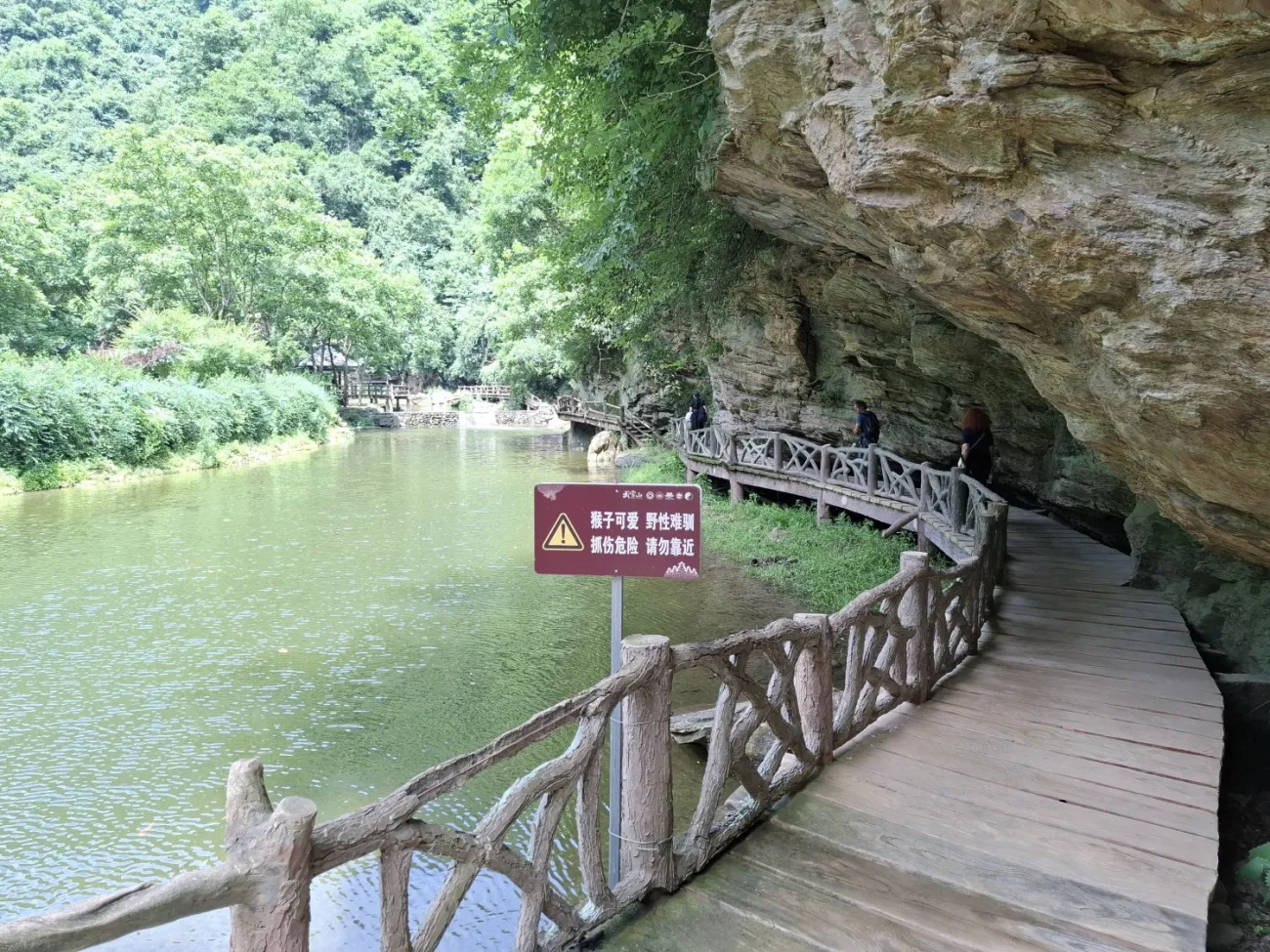
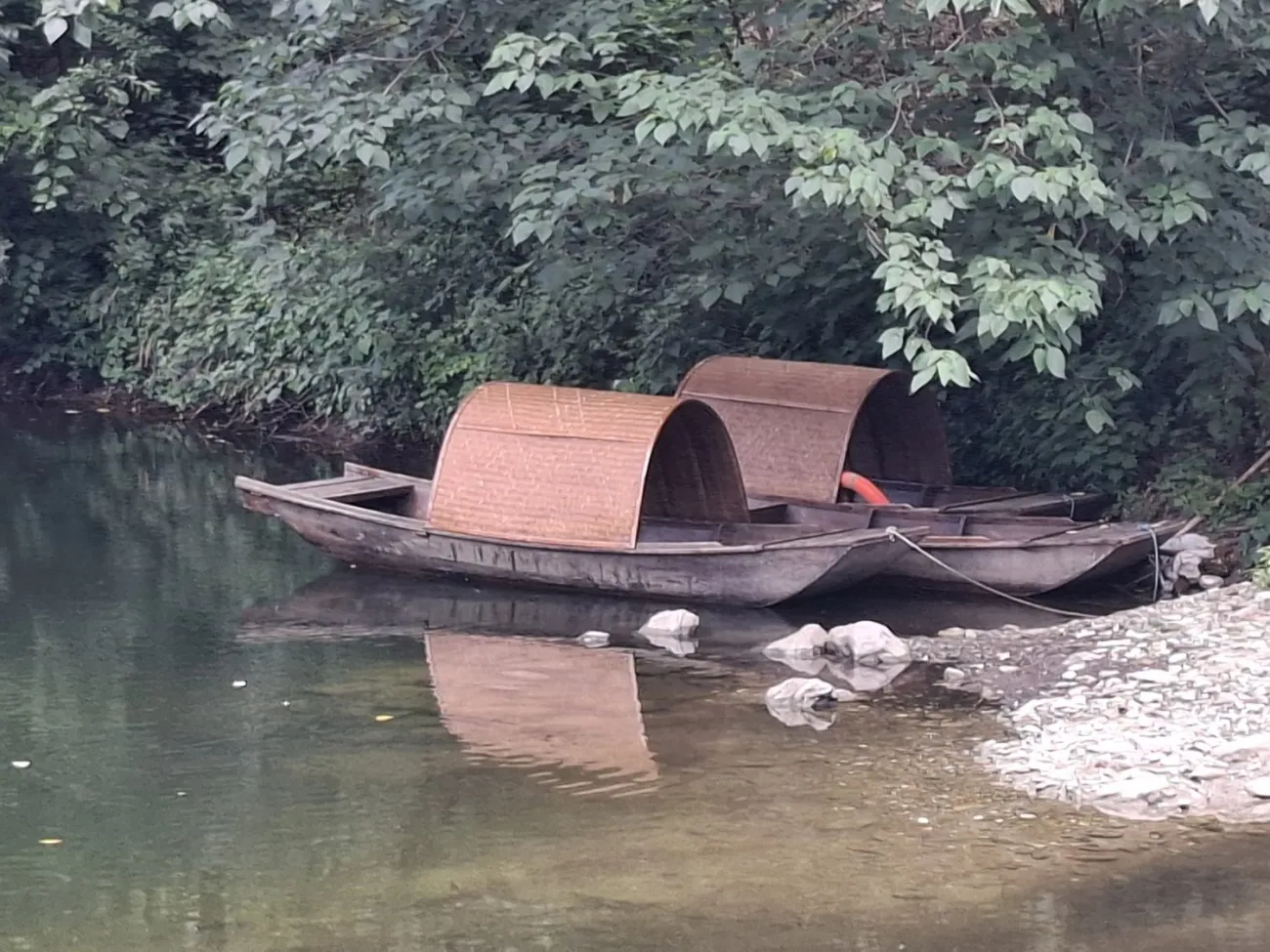
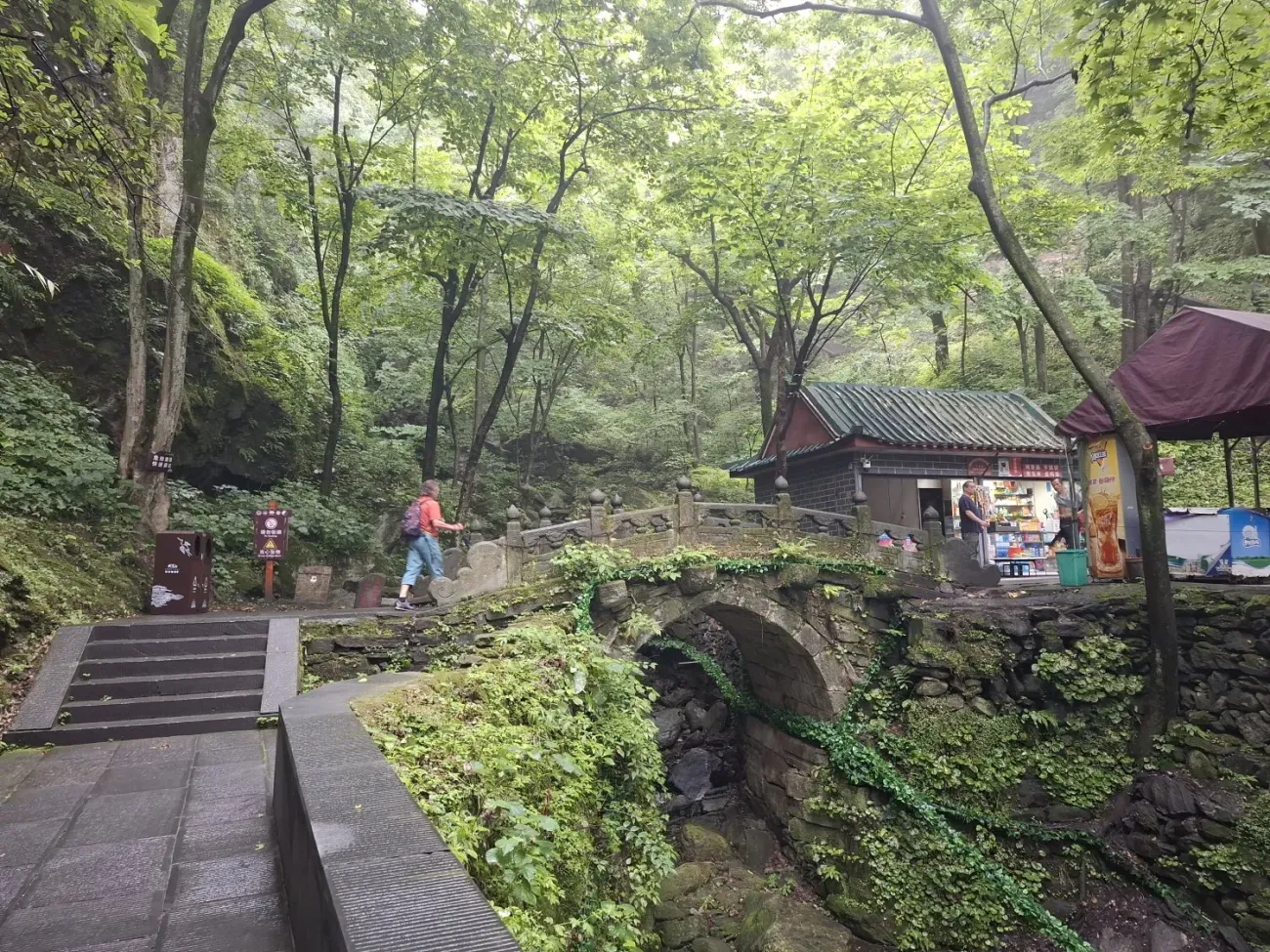
Anyone not tempted by walking up and down steep steps can take a relaxing stroll through Monkey Valley (Monkey or Xiaoyao Valley), which runs along the canyon of the Jiudu stream, where macaques live. During our long walk by the water we did not encounter them, but we did see quite a few other animals, from geese, frogs, and various birds to a snake. We did, however, notice monkeys by the road when we were returning by bus to Nanyan, where we were staying overnight.
I am finishing this article on my home terrace, among the green forests of the Savinja Valley, with a cup of green tea from the other end of the world, yet from mountains just as green, bearing the poetic name Honey Dew. I taste and smell the tea’s aroma, while memories of everything I experienced crystallize within me.
Špela Hrastnik, SDT member