Music Department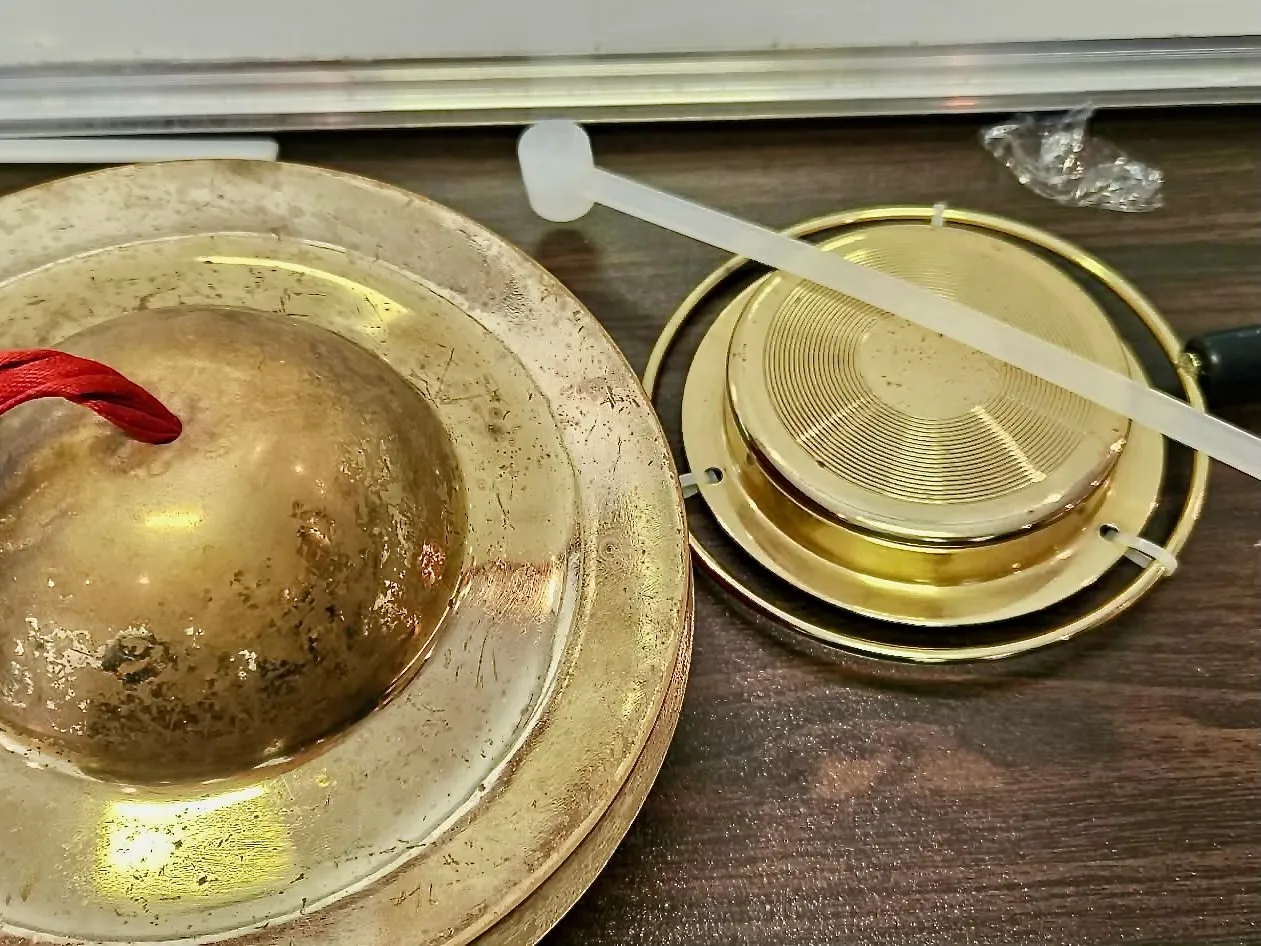
Morning and Evening Rites
Daoist cultivation in the temple begins at 5:00 a.m., when the bell announces the start of a new day. At first, rising at this hour was completely unfamiliar to me, as it happened at home only on rare, special occasions and had never been part of a regular daily discipline. I am glad that this form of cultivation suited me naturally and that I was able to maintain it after returning home. Arranging and preparing the space for the morning ritual, which takes place at sunrise, is the first daily task of all initiates in the temple.
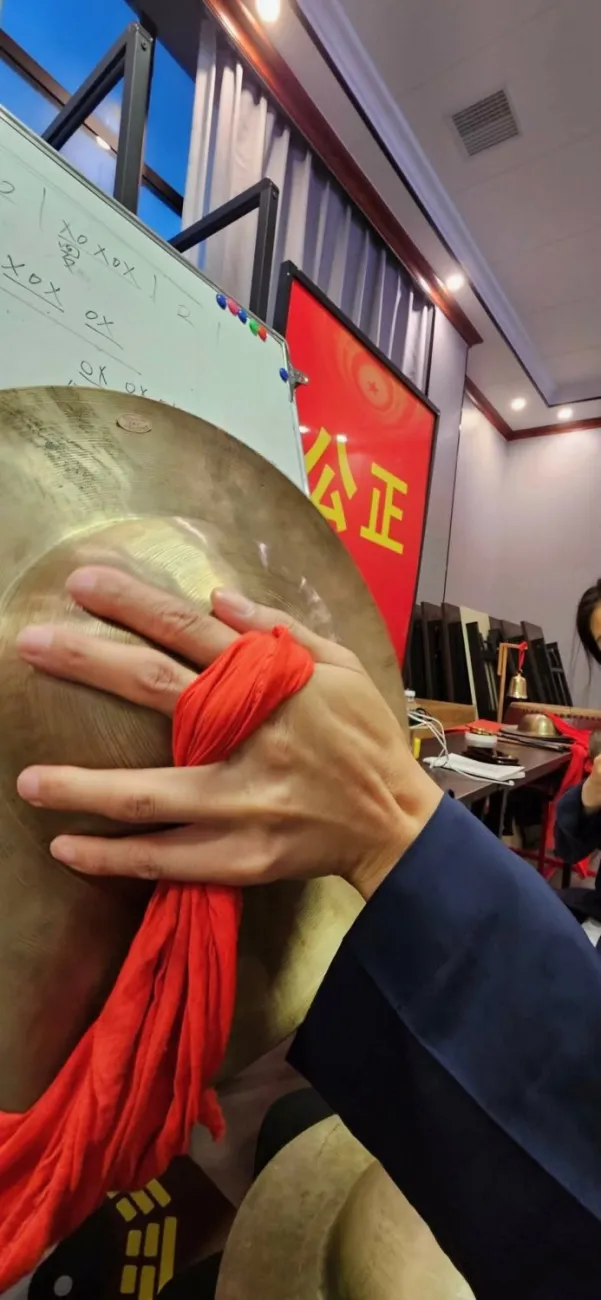
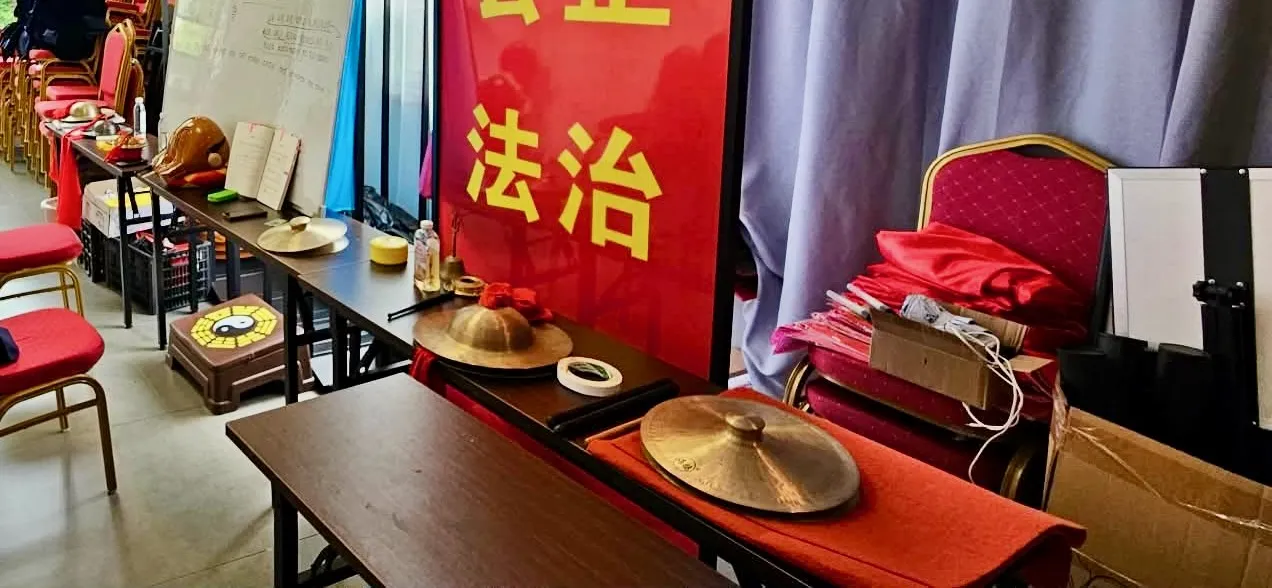
Ritual music reflects the cosmic order and accompanies recitations of sacred texts, purification rites, and offerings, creating a sonic framework for establishing ritual and cosmic harmony.
It creates a calm and sacred atmosphere and enables a connection between the human and spiritual worlds. In the Daoist understanding, the sounds of ritual instruments attract deities and Immortals and facilitate communication between people and the spiritual world. At the same time, ritual instruments also have a protective role. The loud sounds of drums, bells, cymbals, and other instruments symbolically dispel negative influences, purify the space, and preserve the temple’s subtle and harmonious energy. They affect the participants’ inner state and help to purify the energy of those present and the wider surroundings.
The musical accompaniment marks the beginning, progression, and conclusion of each part of the ritual and guides everyone involved. Through its structure and rhythm, it helps to establish harmony in the vital energy qi, purifies the space and the participants’ heart-minds, and supports balance between humanity, nature, and the divine world.
The harmony of the instruments’ sounds symbolically represents the dynamic balance between yin and yang, and among the five dynamic processes of wuxing—wood, fire, earth, metal, and water. These are not elements in a material sense, but five modes of activity or transformation that describe dynamic relationships and changes in nature and the universe.
The meaning of the entire morning and evening rituals, together with the content and sequence of the individual chants, which my teacher, the initiate Ou Dao Daozhang, explained to me with devotion and love, was an entirely new and valuable insight for me. With each new understanding, I was repeatedly amazed by the depth of the content, wisely structured and directed towards a clear spiritual purpose.
The realization of how much compassion, grace, and divine support is always available to us touched me deeply. With inner trust, I opened myself and surrendered to her guidance, and through gradual understanding, the meaning of the rituals became deeply rooted within me.
As I mentioned in the previous article (Part 3), the morning and evening rituals are a constant part of the initiates’ daily cultivation. Through inner discipline, heartfelt sincerity, and service, the beautiful ritual music gives expression to connection with and offerings to the three realms: the realm of deities, the human realm—our surroundings and the whole world—and the underworld.
Morning ritual
It is dedicated to the protection of all people, nations, heads of state, the land, and the entire natural world—animals, plants, mountains, rivers, seas, and everything around us. It is associated with the yang aspect of the daily cycle and emphasizes self-cultivation, maintaining the harmony and clarity of qi, and ensuring its orderly flow. Only through such cultivation can a person draw closer to the Immortals (xian 仙), transcendent beings who, through cultivation, have overcome the limitations of ordinary human existence, and receive their support and protection.
Evening ritual
It is directed towards restoring harmony and order and expressing compassion for living and deceased beings caught in various states of imbalance and distress. Through recitations of sacred texts, ritual acts, and petitions addressed to the Immortals, a connection is established between the human and divine worlds, opening the possibility of transformation and the resolution of adverse conditions.
The evening ritual is associated with the yin aspect of the daily cycle, which brings stillness, return, and gathering. Its purpose is therefore not merely to alleviate suffering, but to restore harmony where it has been disrupted and to integrate living and deceased beings into the wider cosmic order.
Day by day, I became increasingly aware of the meaning and depth of performing the rituals each day. The realization that these rituals are a divine gift and a profound contribution to serving all beings and the world further deepened my respect and gratitude for the entire Daoist tradition.
From my heart, I thank my teacher, the initiate Ou Dao Daozhang, who guided me with devotion, wisdom, and love along the path of knowing the Dao. She illuminated the meaning of the entire morning and evening rituals and their content, which is intentionally structured to serve a clear spiritual purpose. Through gratitude and inner trust, this teaching became deeply rooted in my heart.
Daoist cultivation in the temple does not end when the bell rings three times to announce the close of the day and the lights are turned off at 10:00 p.m. The activity of the Dao continues during sleep, for everything is permeated by the Dao: our bodies, thoughts, actions, feelings, relationships, and everything around us. The Dao is not confined to the time of ritual or the space of the temple; it is present throughout existence—all-pervading, revealing itself in every moment of life, a continuously active reality.
Alenka Zupan, member of SDT