Articles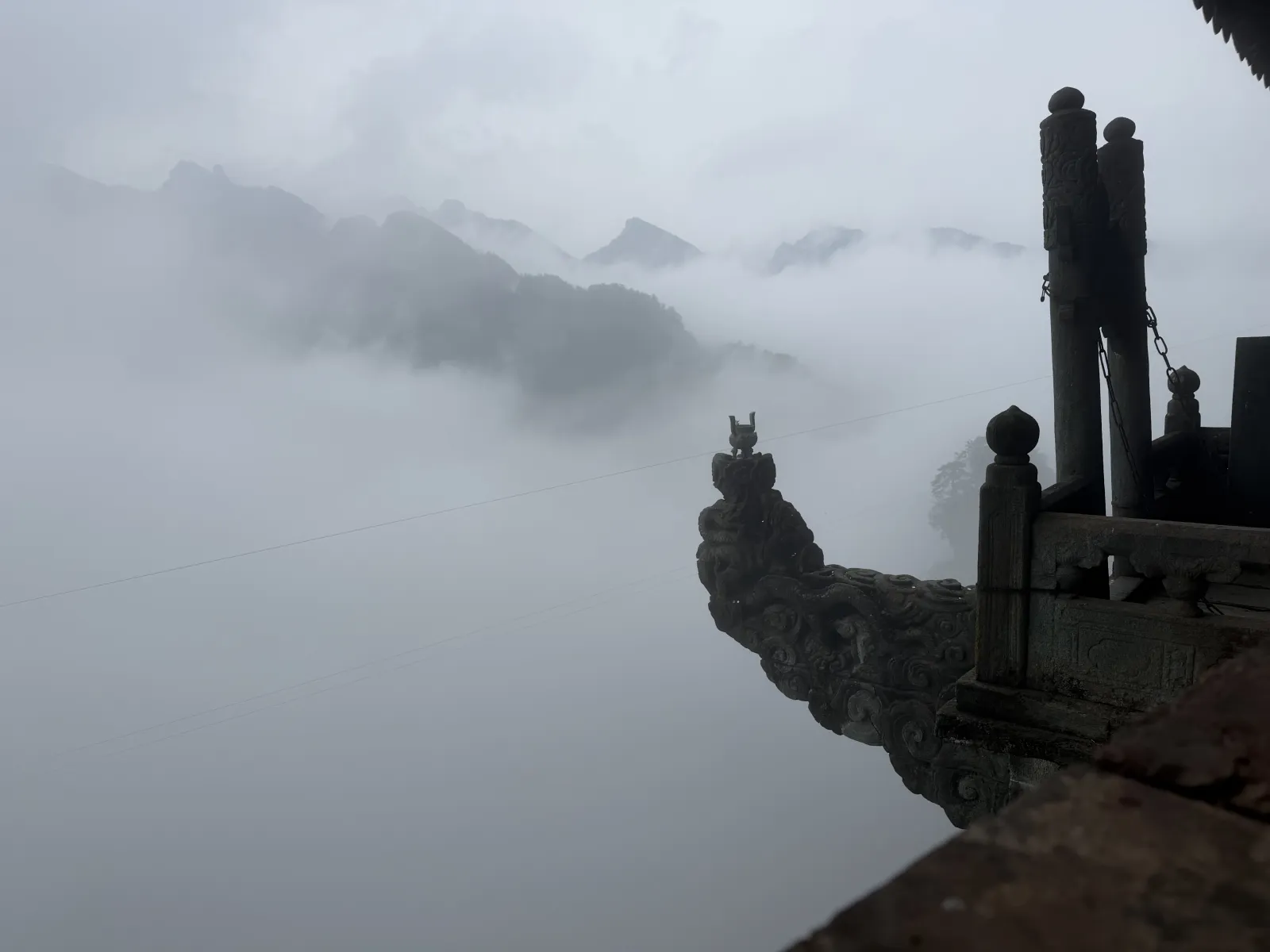

The play of mist, the sound of raindrops at Nanyan gong: a merging with nature, ancient culture, and the depth of Daoist thought
Morning on Wudangshan. It is raining, the mountains veiled in mist.
I set out for a walk through the Temple of the Southern Cliff, Nanyan gong in Chinese.
It is still early. The vendors are already in place. Coffee? A souvenir? Bananas? Tea? A wish written on a red ribbon? Thank you.
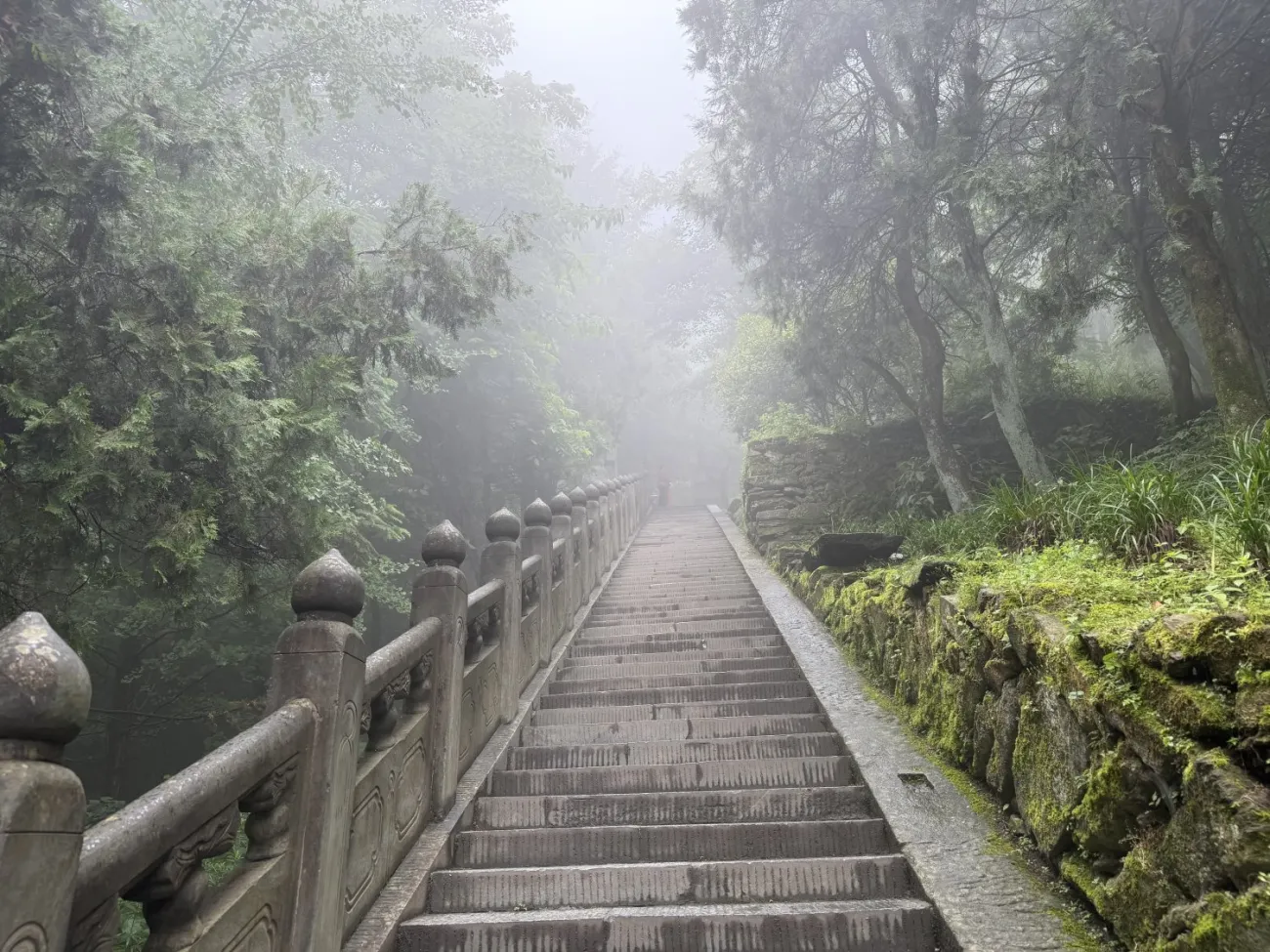
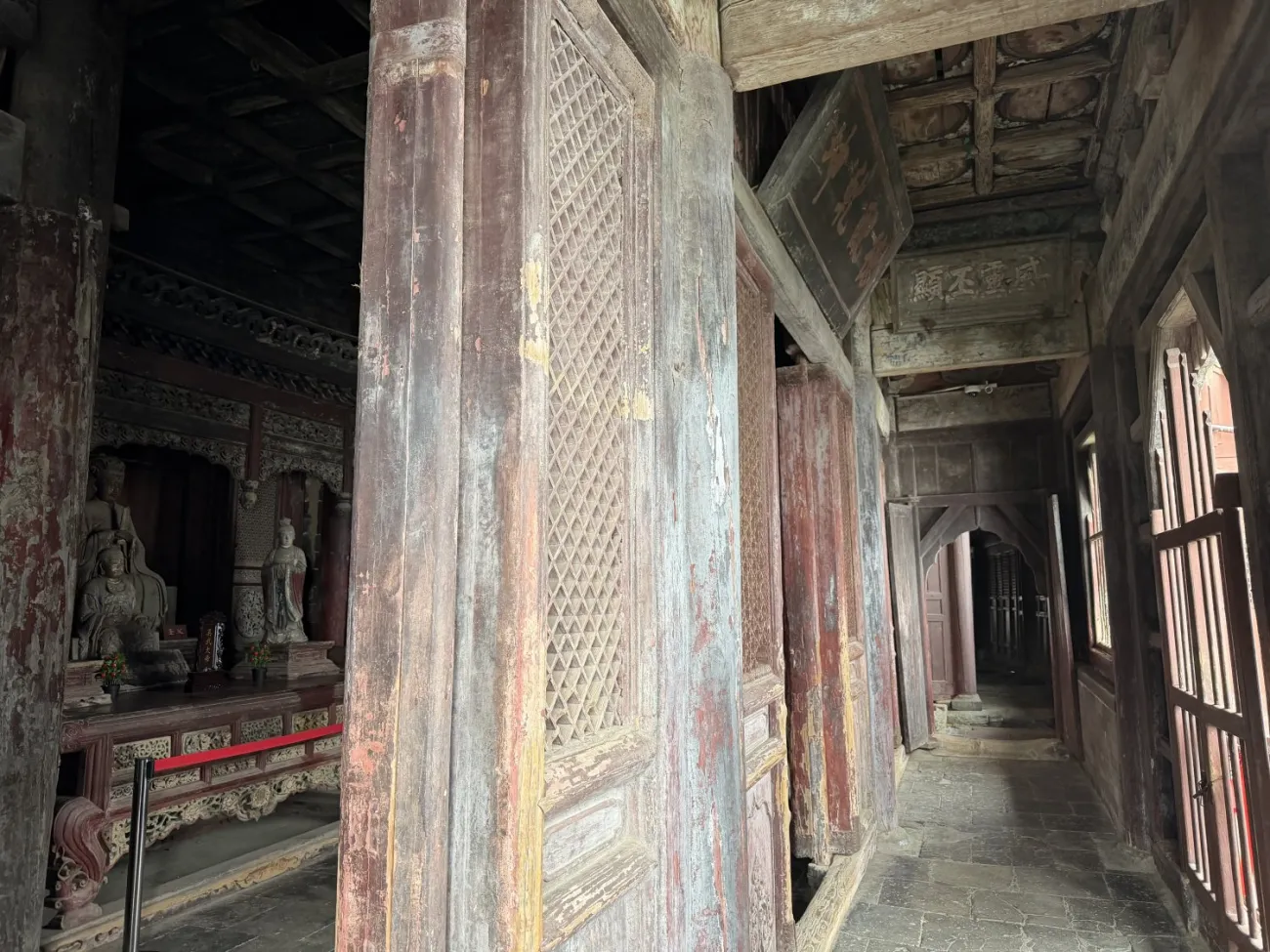
I go on. Waves of steps. Up and down. Down and up. Temples and their deities, set among the greenery and overflowing with life, defy time. Does it even exist? Raindrops strike the little purple raincoat. (1)
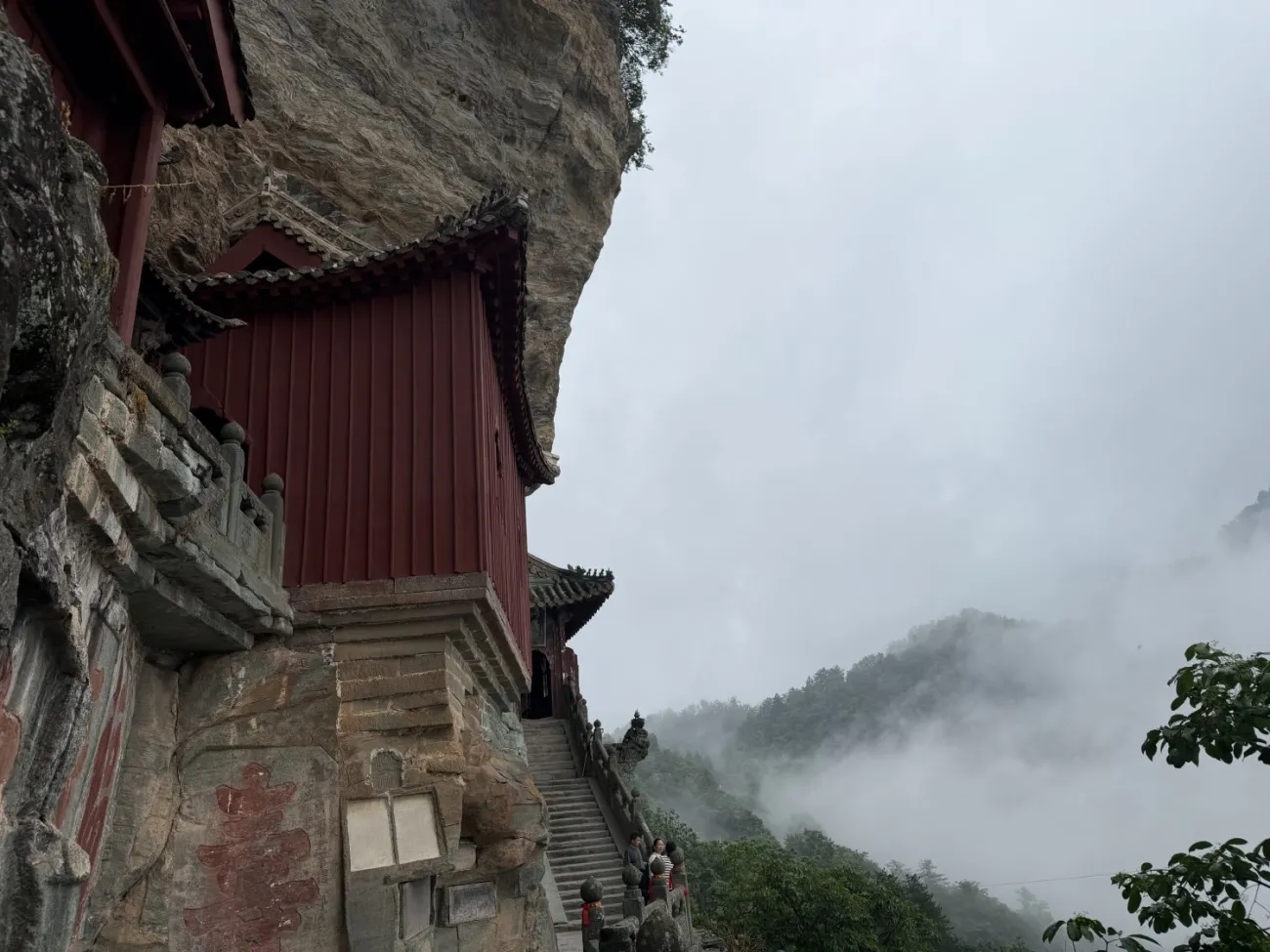
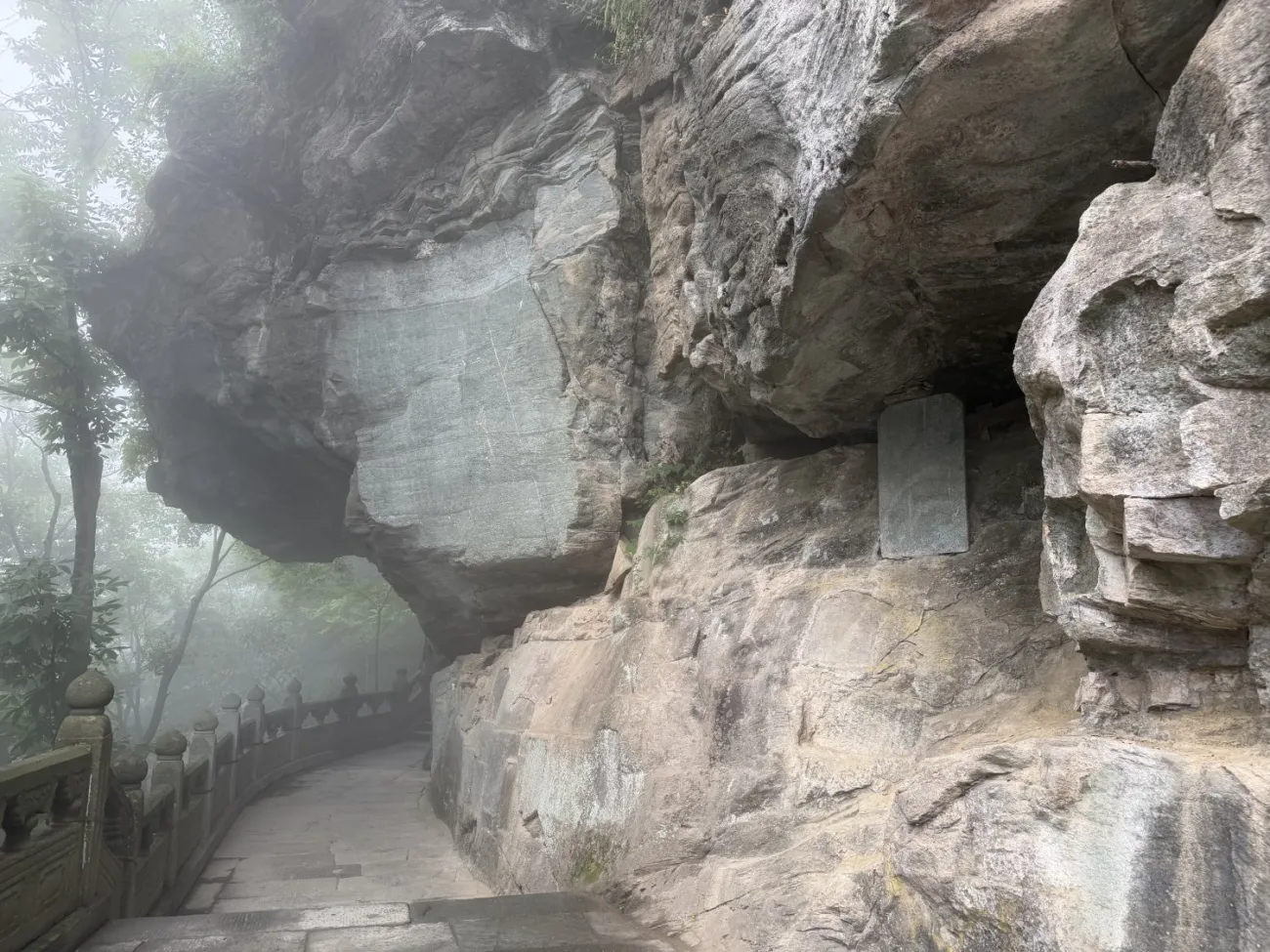
Mists race along the slopes. They create patterns, conceal, reveal. The forces of nature are at play. On the cliff, Chinese characters written in red: longevity, happiness, health, and peace.
The rain falls silent. The mountain peaks come sharply into view, peering out from the clouds that cover the valleys and create the impression of a white, fluffy sea. It is peaceful.
Liangyi Pavilion. The Hall of yin and yang. Through it, in silence, I arrive at the very edge of the cliff. A staircase carved into the rock. The Platform for Measuring the Plumb Line and the picturesque Pavilion of Clear Wind and Moon. Majestic. Joined to the steep wall.
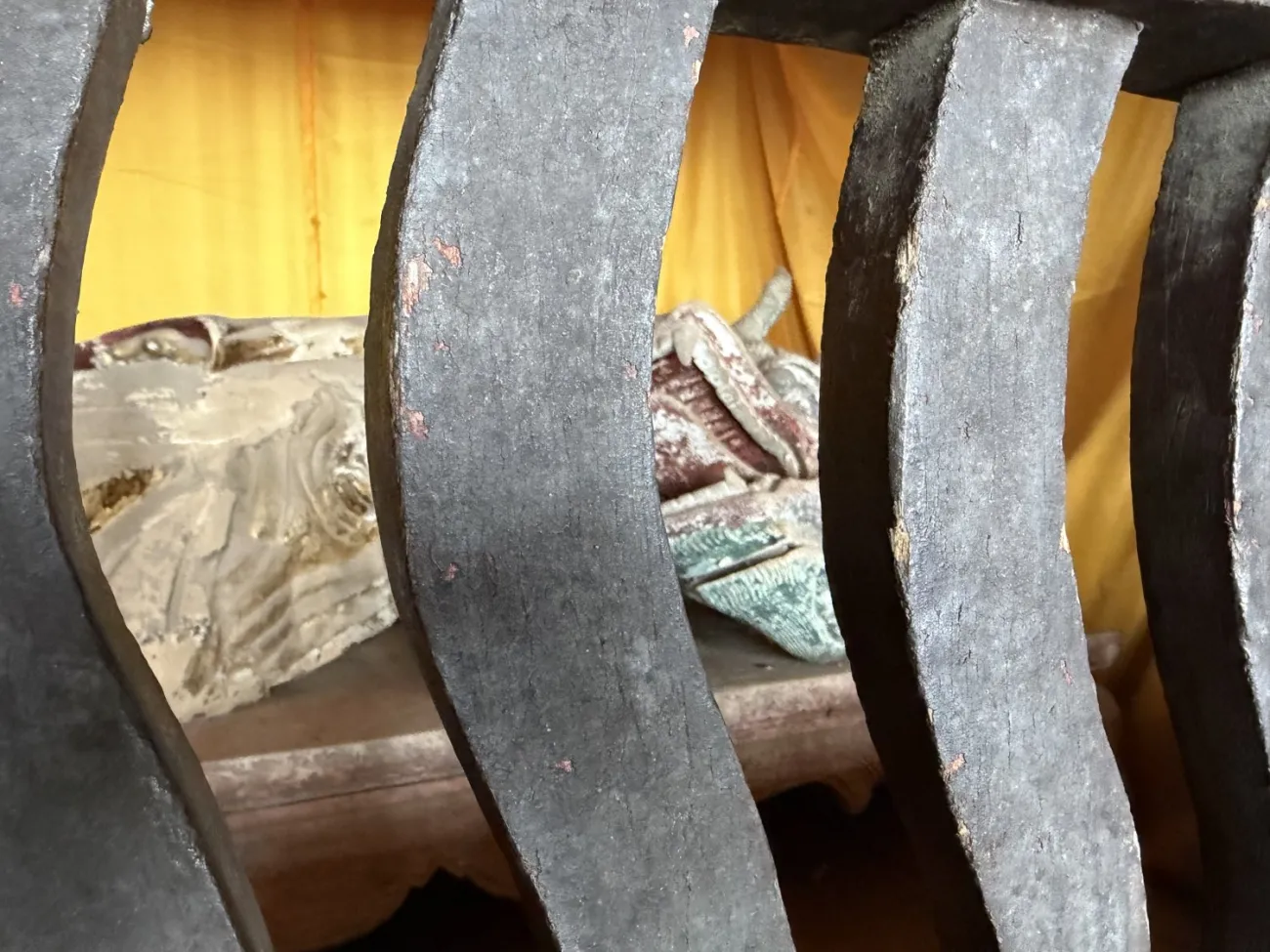
In a small, exquisitely carved niche of the pavilion, through the wooden lattice, I am captivated by the view of “the prince sleeping on the dragon bed.” On a golden dragon, the young Zhen Wu sleeps peacefully after deciding to live an ascetic life on Wudang. His head rests on the dragon’s neck. This is also said to be one of the three Daoist sleeping positions for nurturing vital energy during sleep.
How many Daoist monks slept in these small rooms above the cliffside abysses? And tried to merge the edges of their microcosm with the macrocosm? To come into balance and sink into the Dao, where there is no more time, no space. Only being. Eternity.
Above it all presides the famous “dragon-head pillar” incense burner. It hangs over the abyss. Like tightrope walkers of a kind, monks once walked along the narrow stone “back” to the dragon’s head to light incense. Far too many plunged into the depths while doing so. Today we admire it from a safe distance, behind a closed gate.
It is majestic. I cannot look away. There is something so dangerously alluring about it as it dances with the mists. It was here that Zhen Wu, or the mysterious barefoot warrior Xuan Wu, attained immortality. In a moment of complete devotion, freed from all attachments, even to life itself. His symbol is an unusual being: a turtle and a snake coiled around its body. The turtle as stability, the snake as flexibility.
It begins to rain again. In the courtyard of Tai Chang Palace, a black-and-white dog is waiting for me at the entrance. I do not dare pass him. I greet him kindly, and he gets up, stretches in dog fashion, and lies down somewhere else. Simple: please, come in. “Wu wei,” my mind smiles.
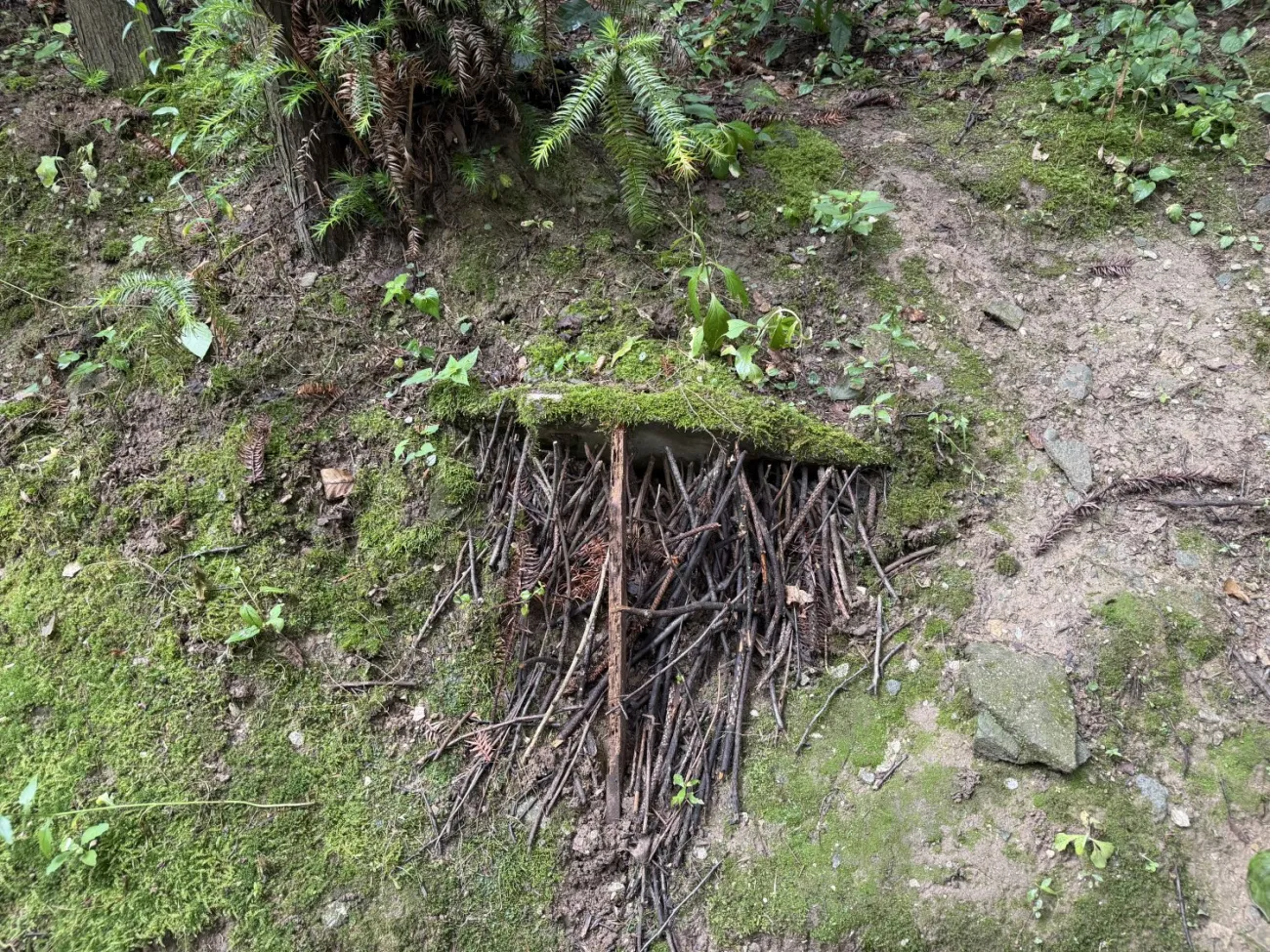
Along the way I follow Chinese tradition and place a small branch in an opening between the rocks to support my spine, so that it may remain upright and steadfast on the path of inner transformation. In my thoughts I add a deep wish for peace in the world. I am not the only one: the cracks are full of twigs, branches, and even small trunks.
The path leads me past a communications tower dressed in artificial branches. From a distance it looks like a lush spruce, perfectly adapted to its natural surroundings. The magnolias are still fragrant, and the mighty crown of the protected ginkgo is entirely threaded with mist.
At the other end, the Thunder Deity has his cave. He looks angry and charged with energy. “What if it were sunny tomorrow?” I ask him quietly.
I stand there for a long time. Listening. I surrender to the moment and, for a tiny flicker of time, sense oneness.
Lea Širok, (Wudangshan, Thursday, July 18, 2026)
(1) The organizers of this year’s International Seminar on Daoist Culture also provided the raincoat.