 History
Lecture in Sydney: Interfaith Dialogue as a Path to Peace and a Harmonious Society
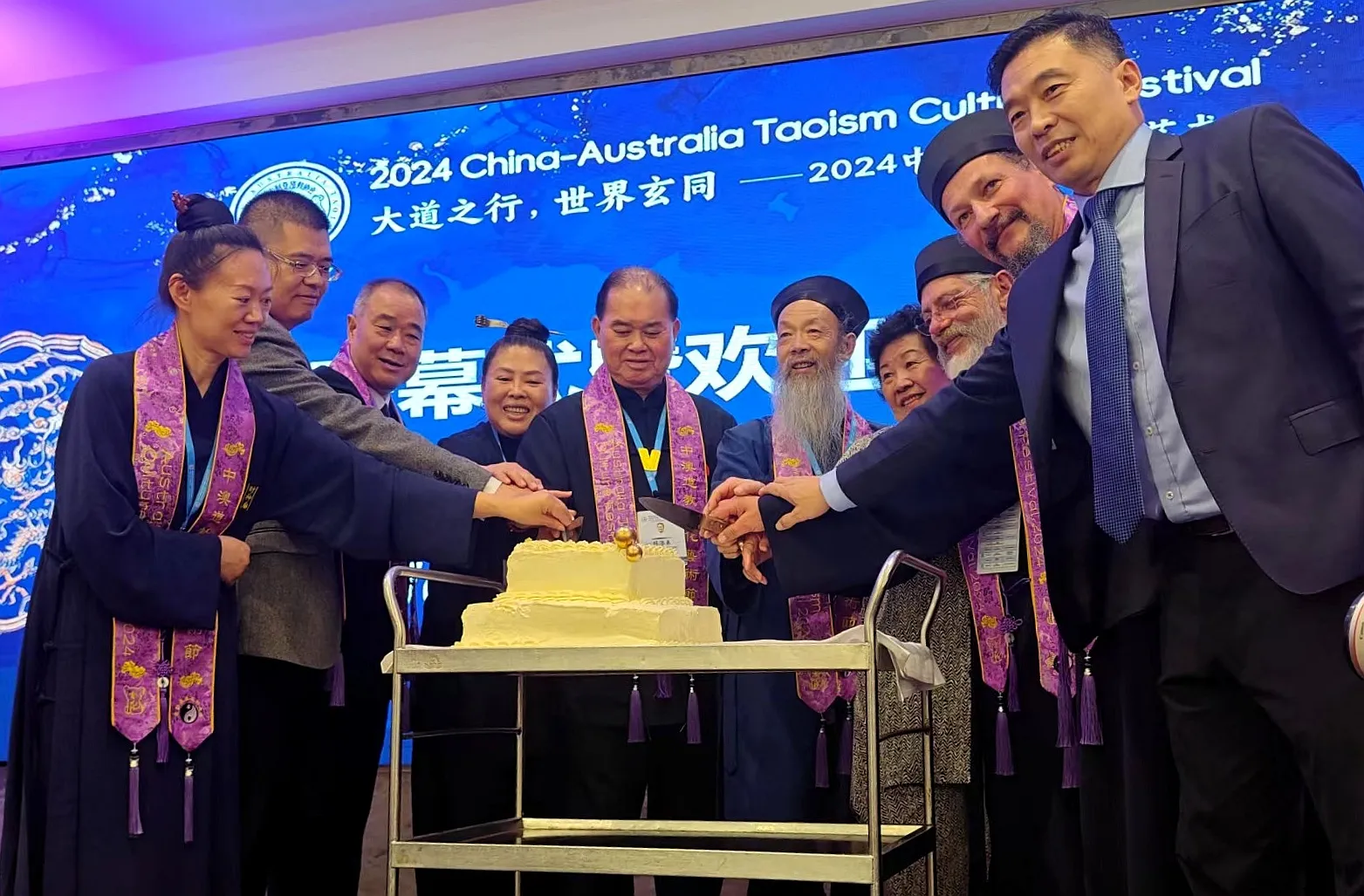
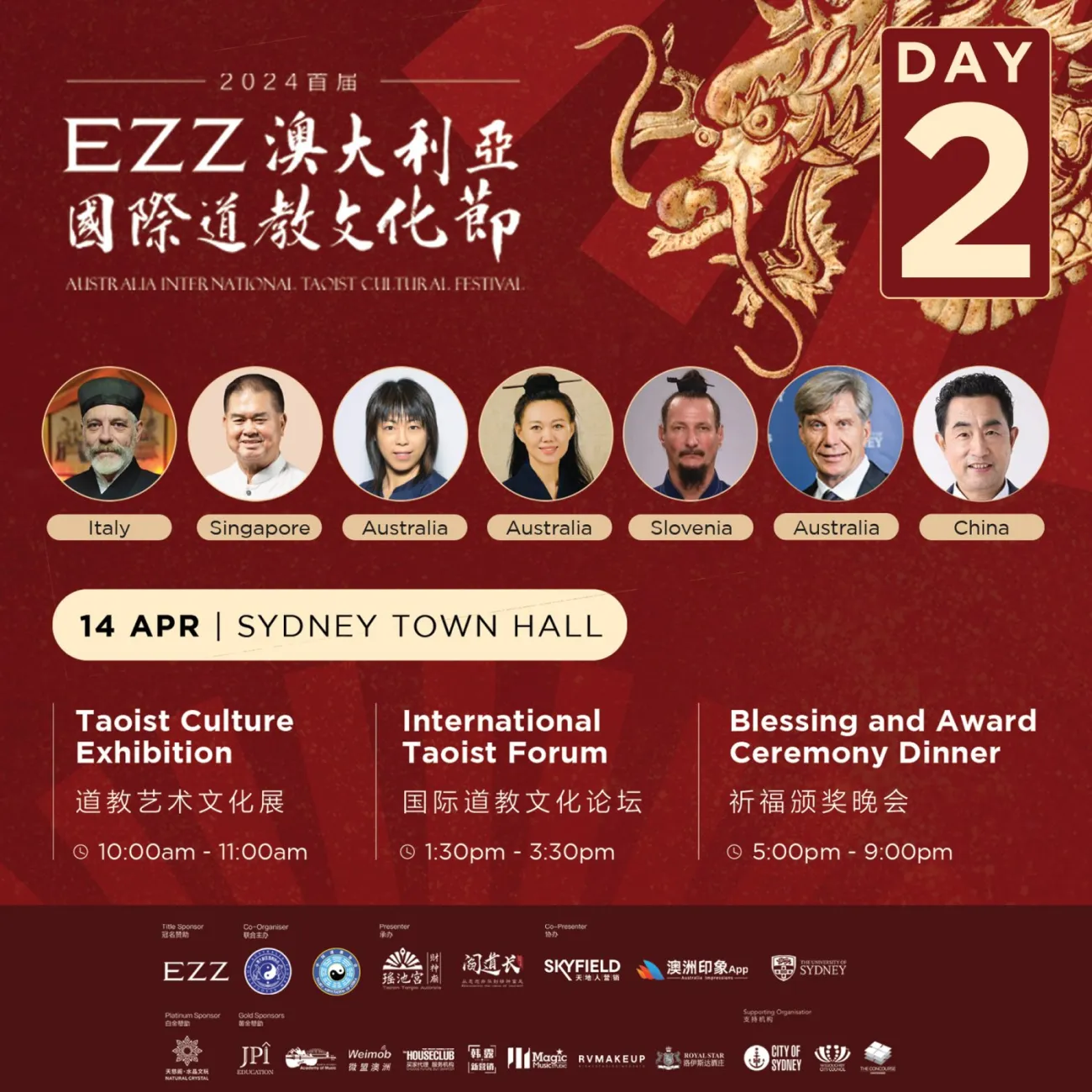
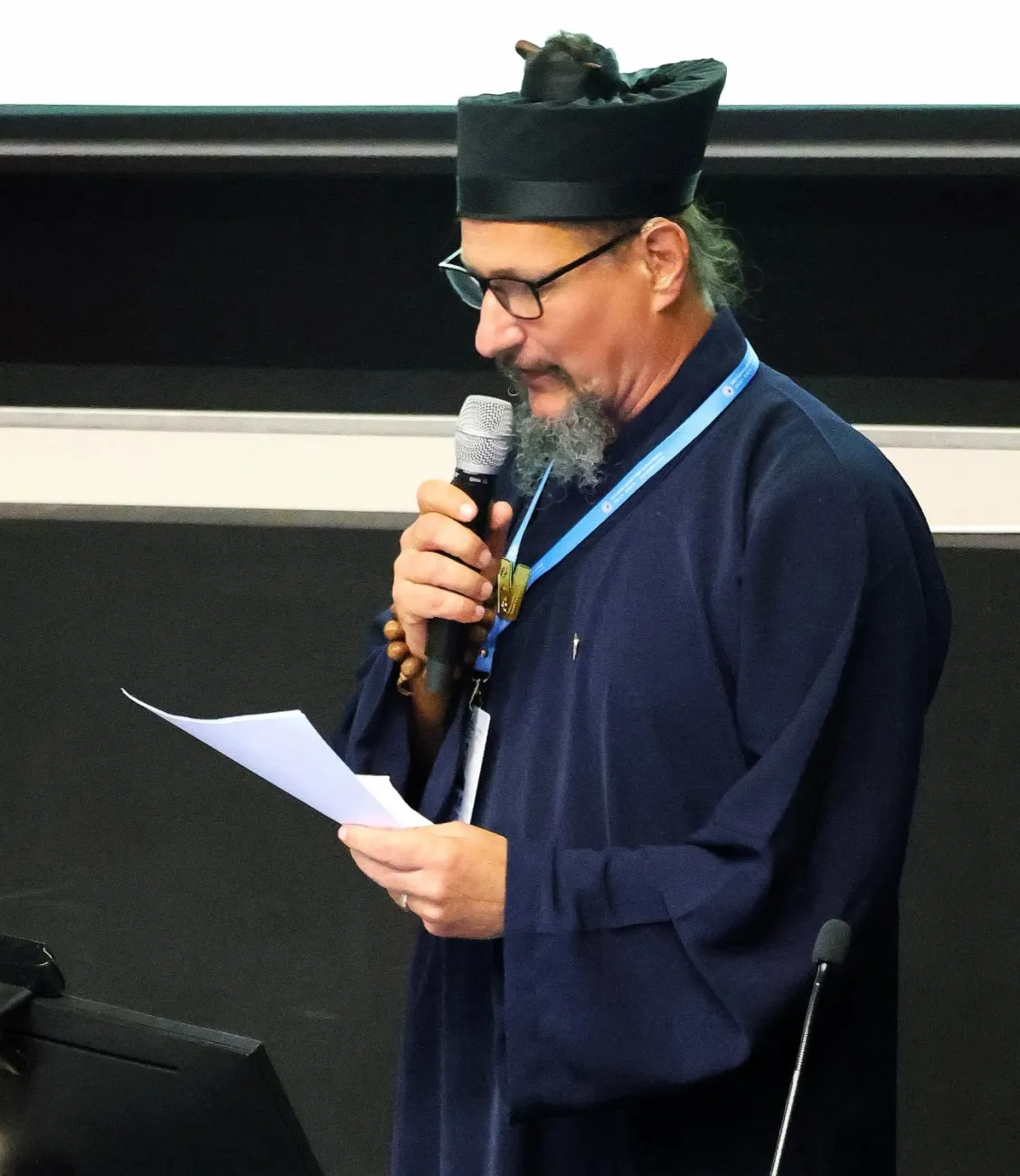
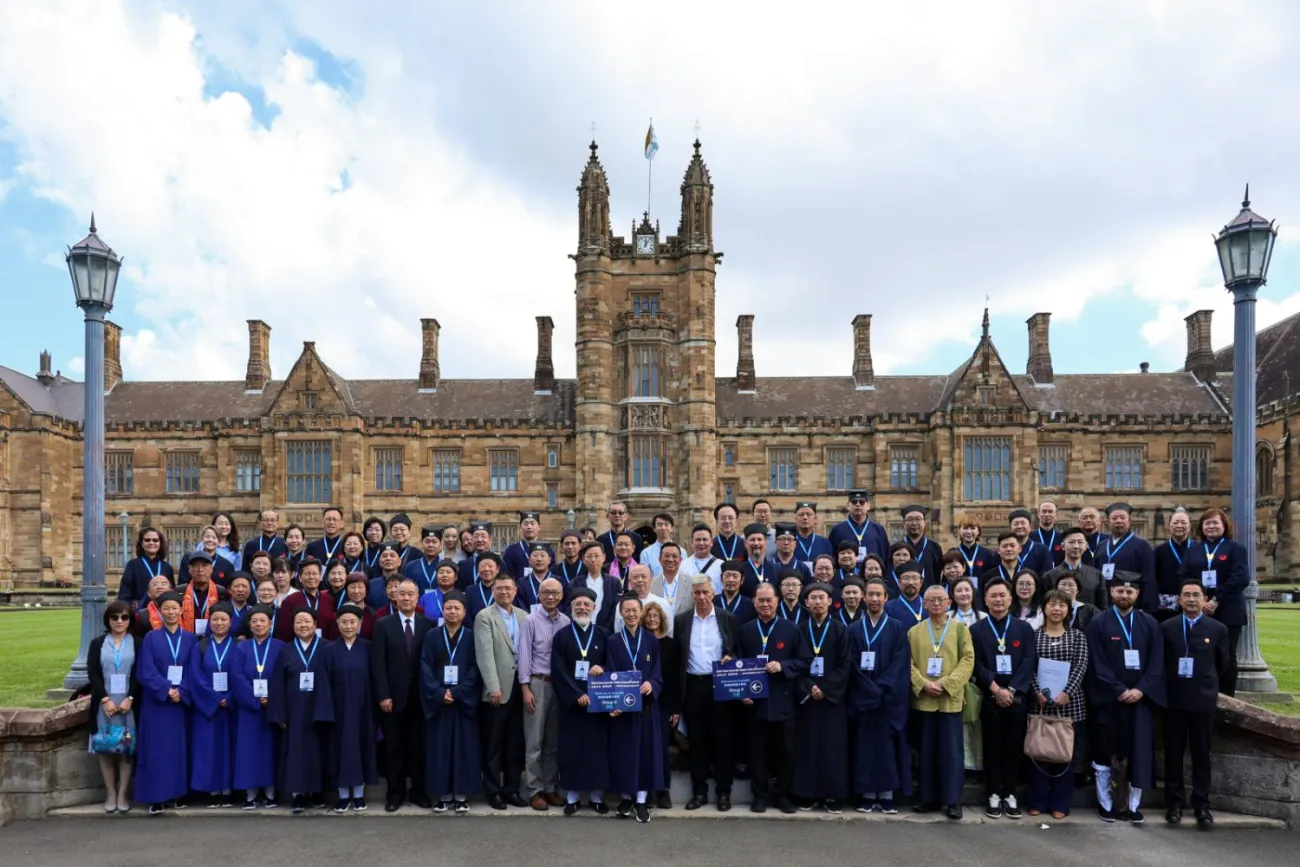
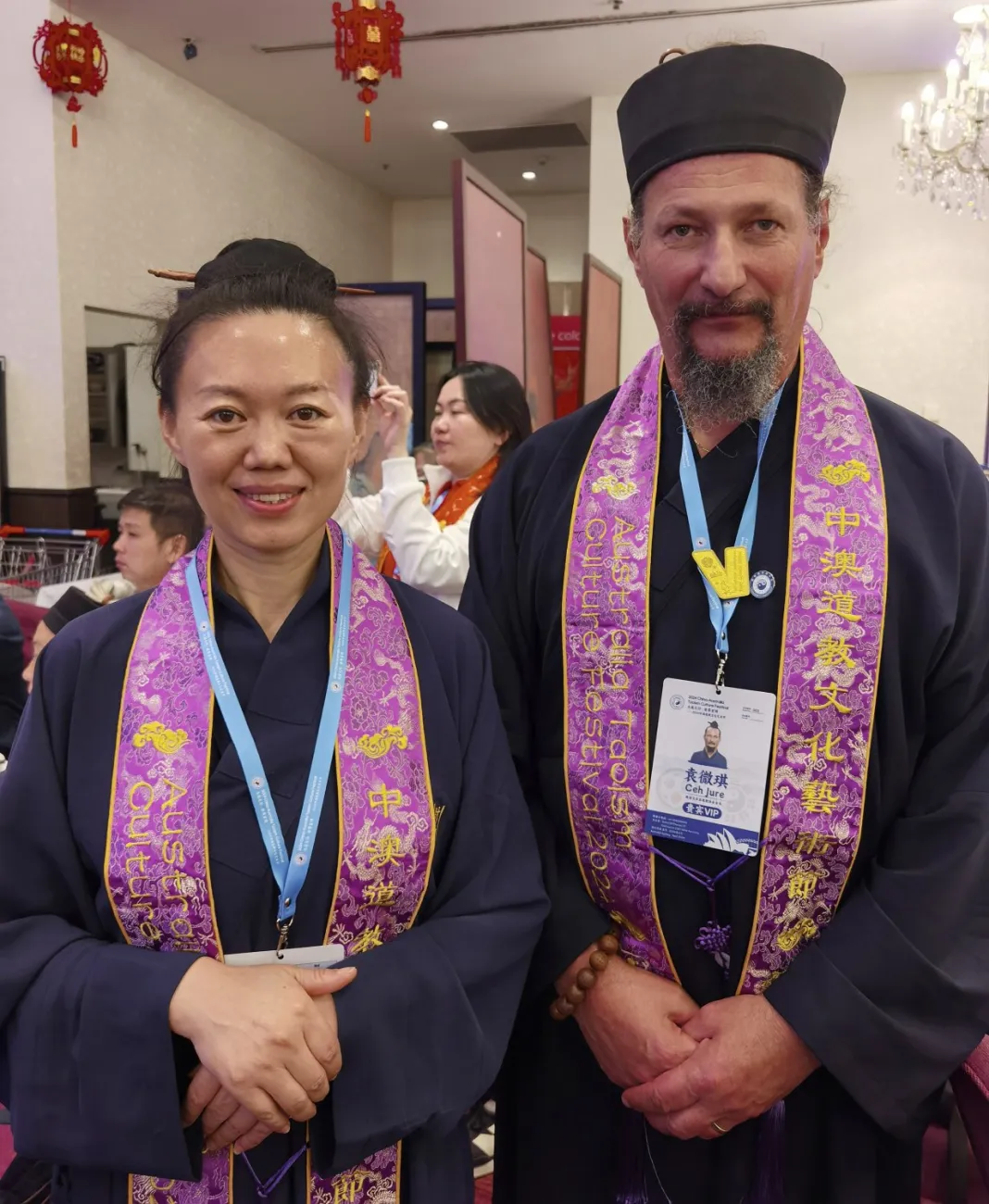
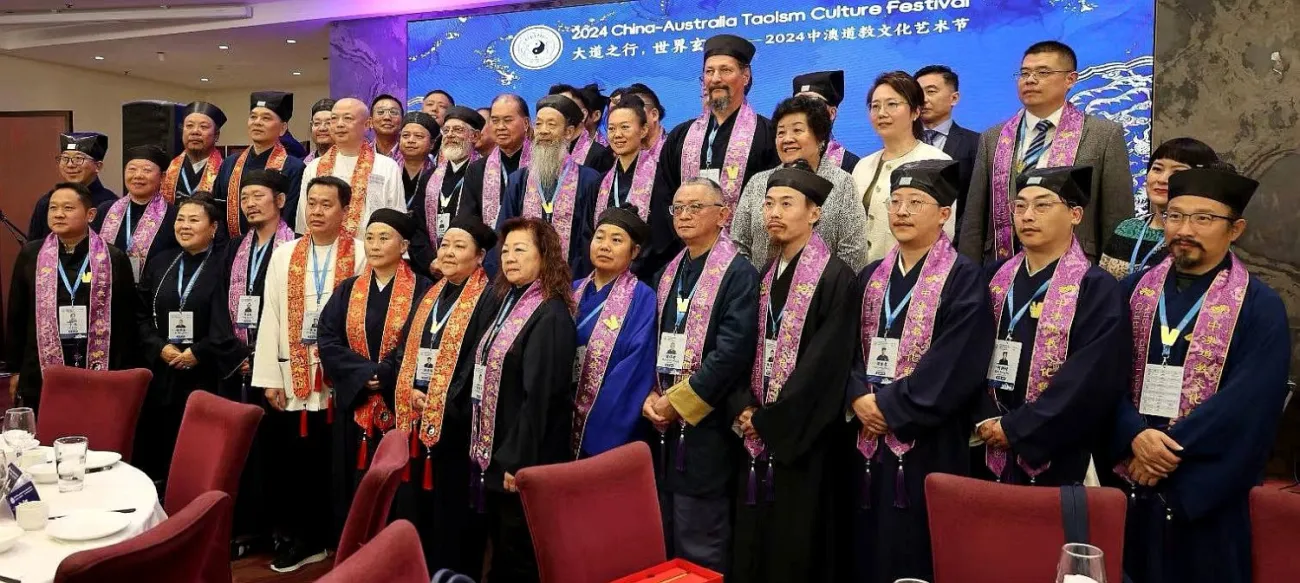
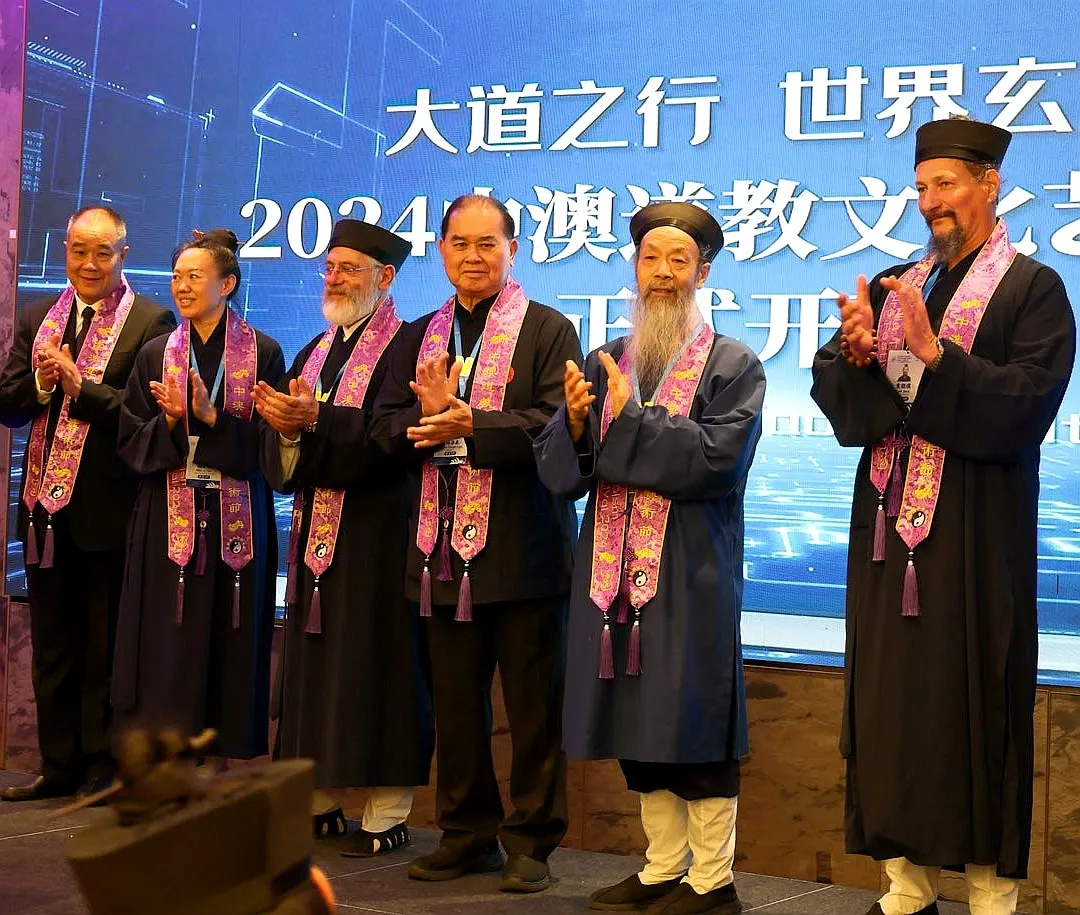
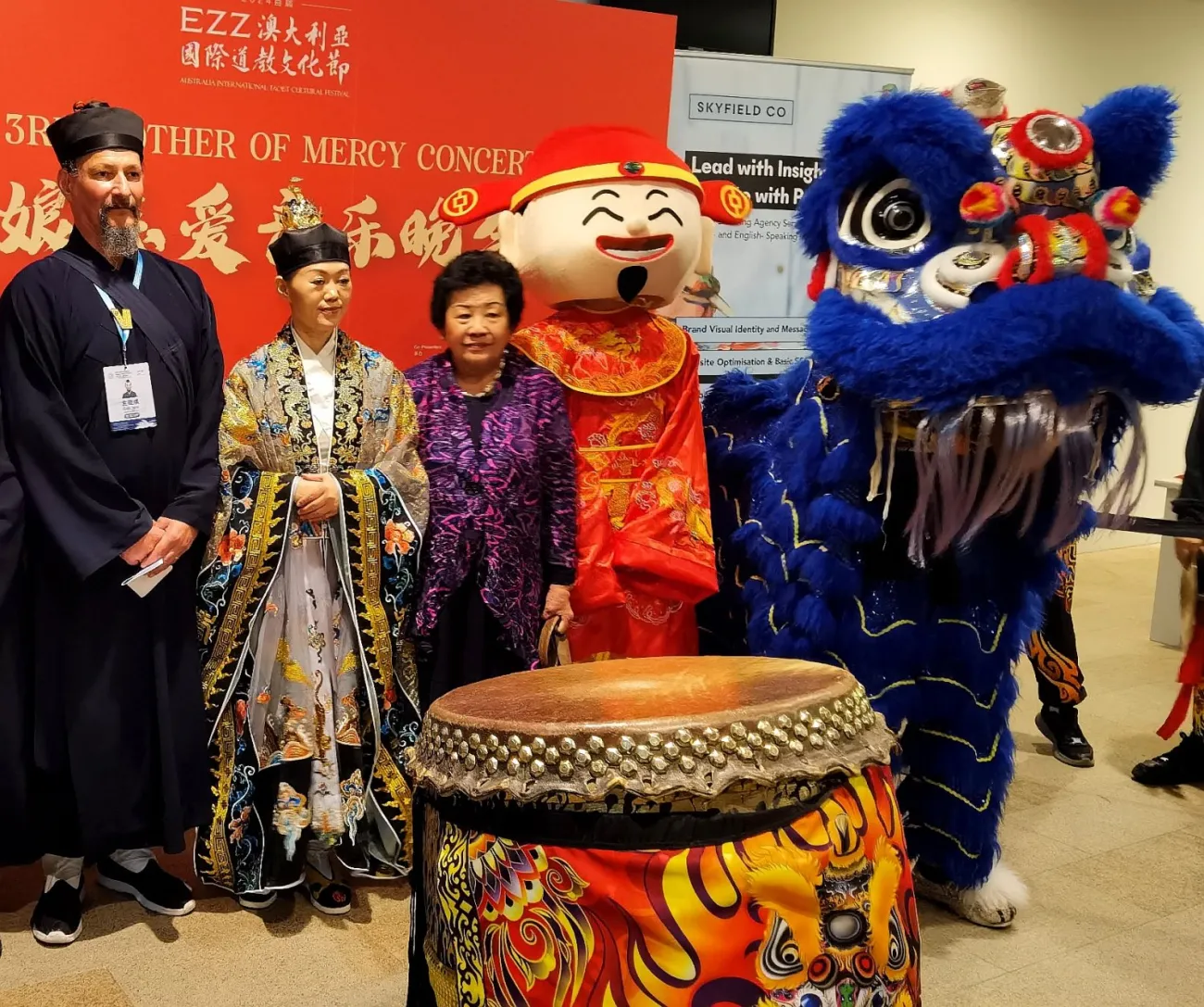
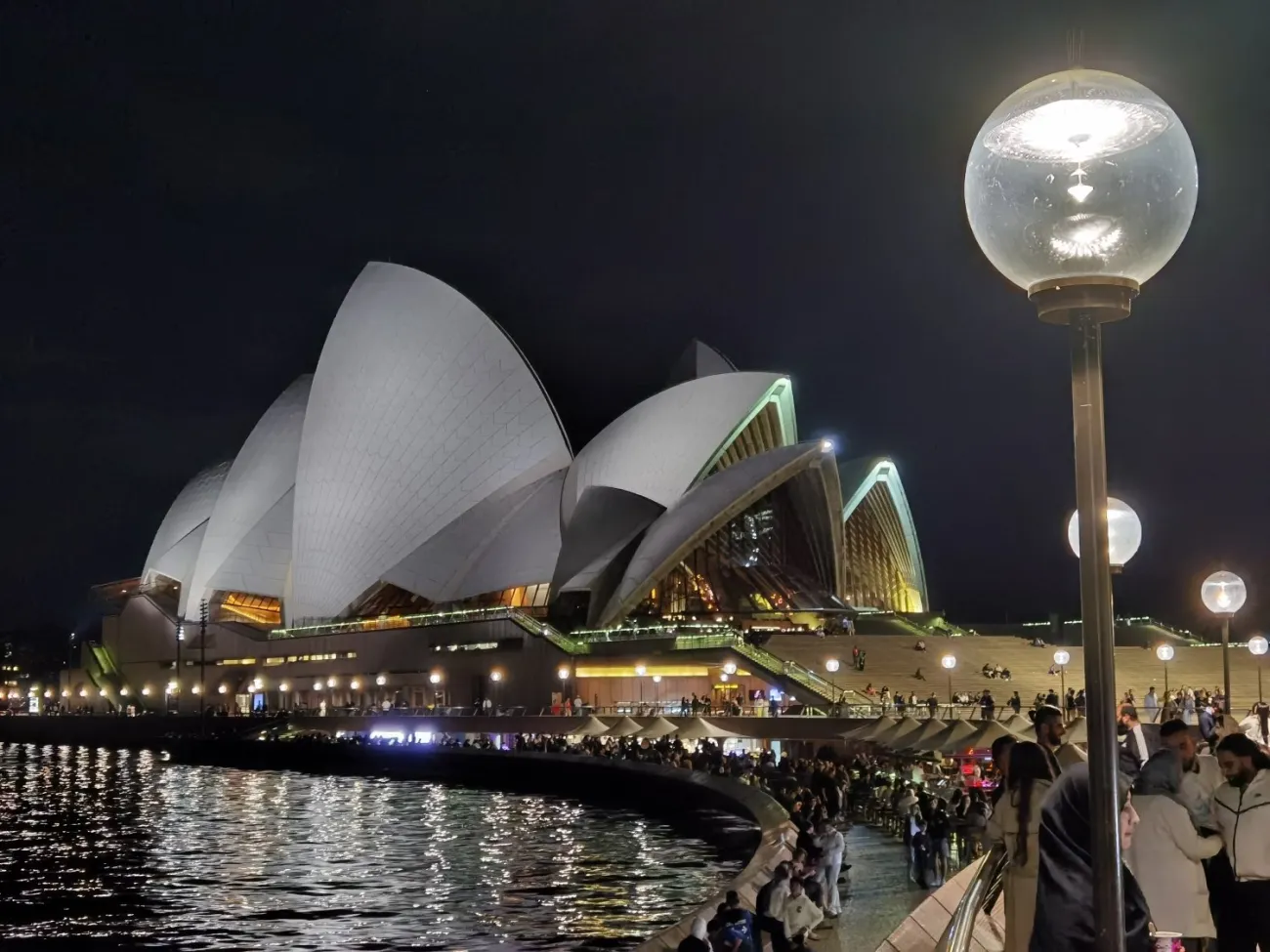
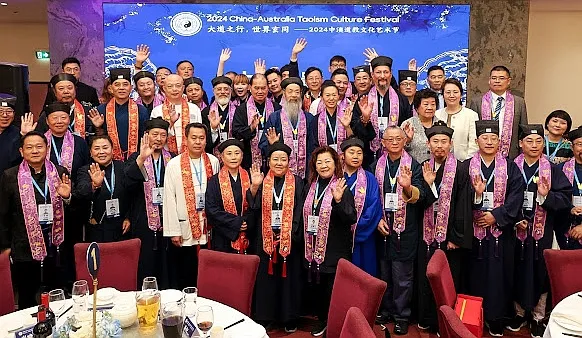
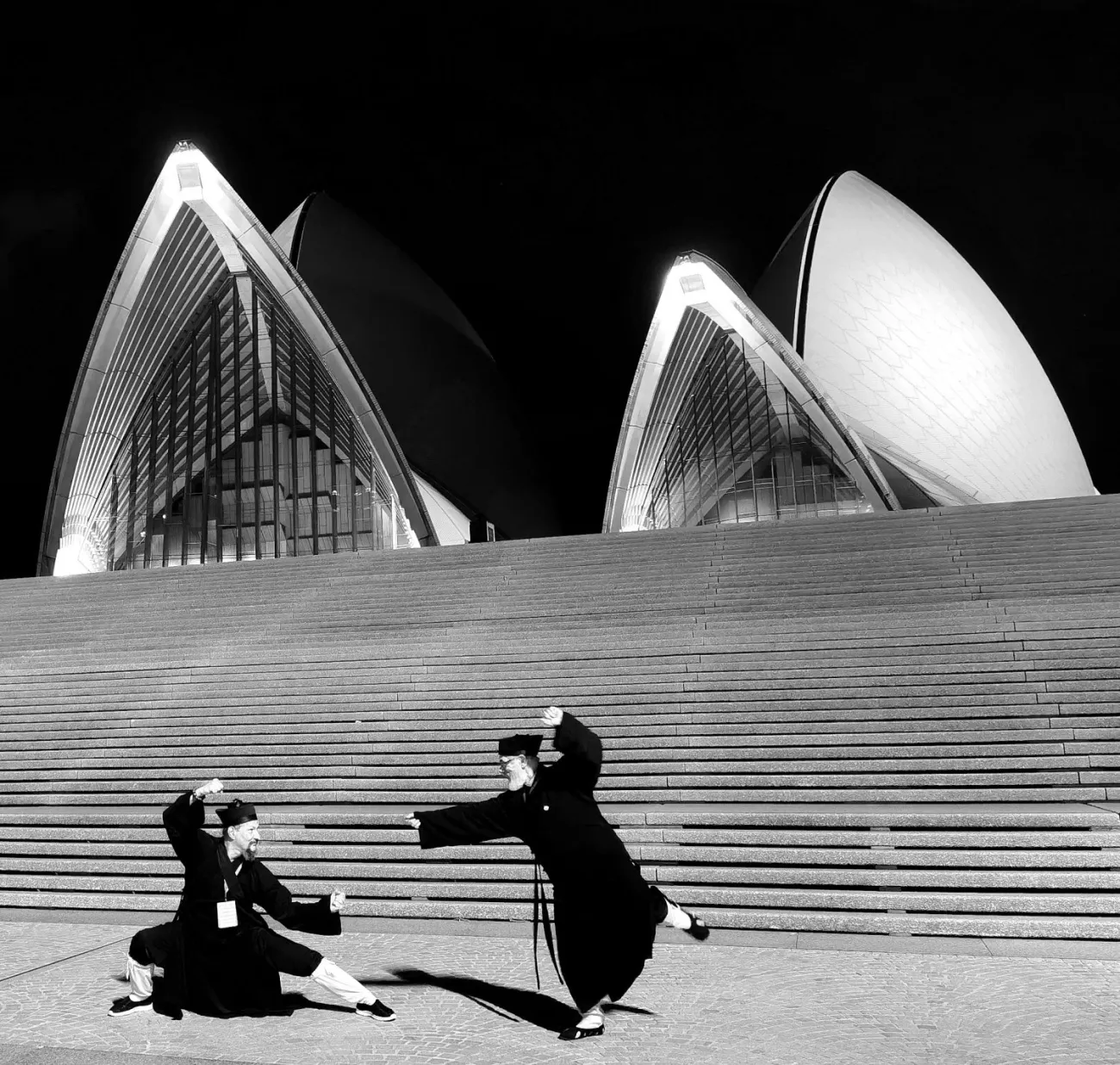
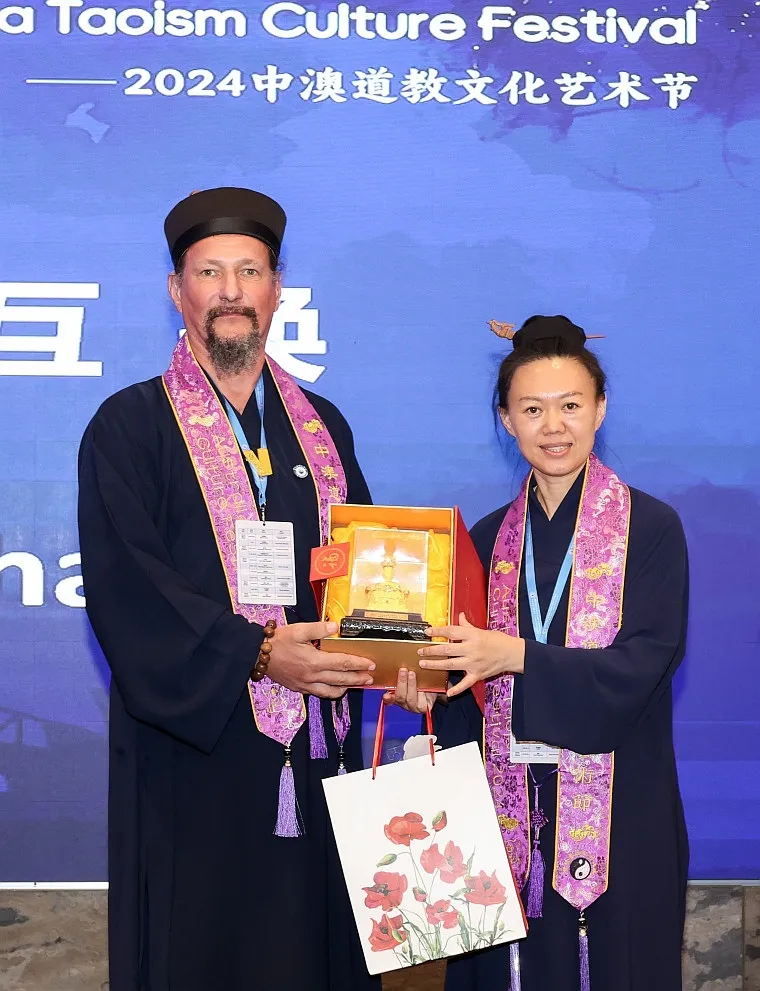
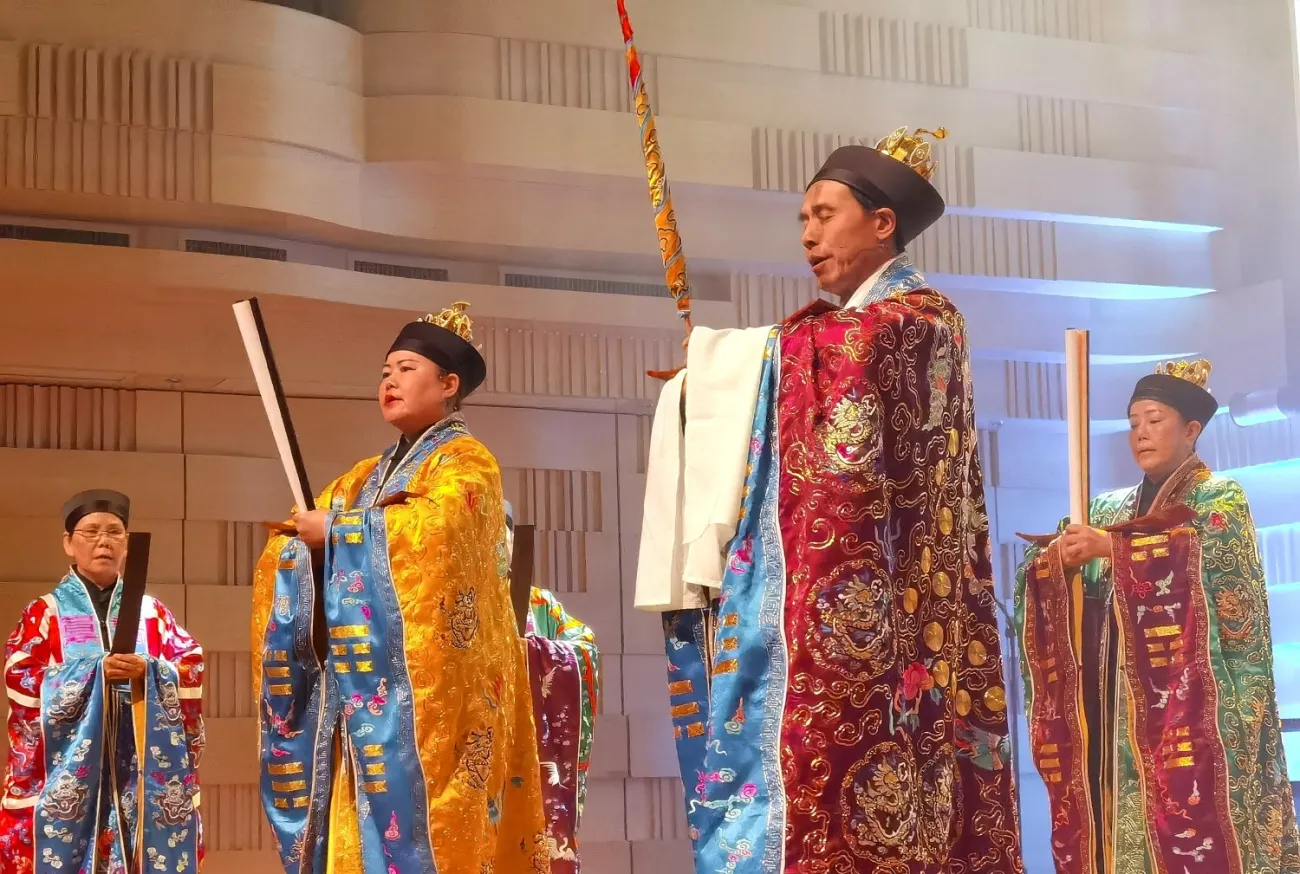
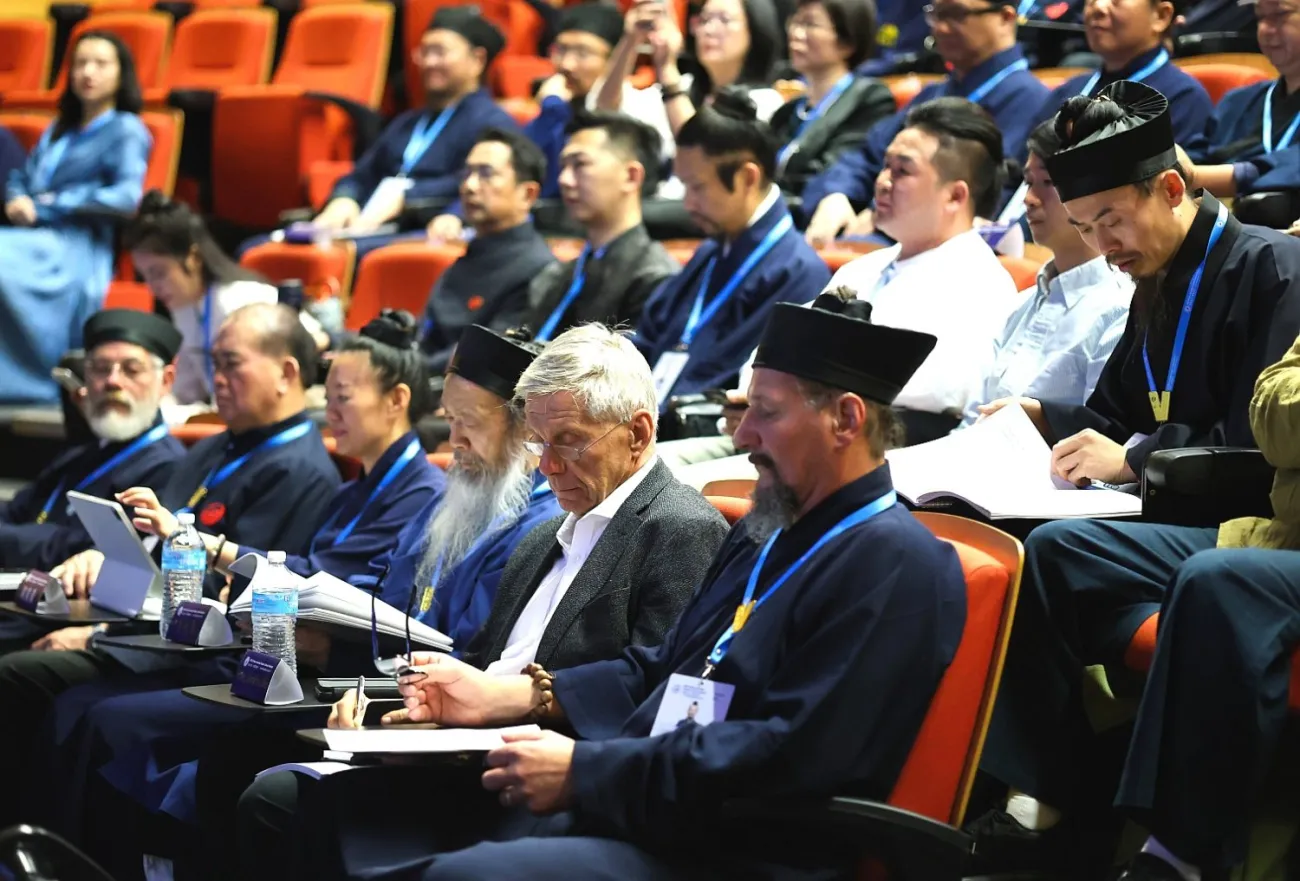
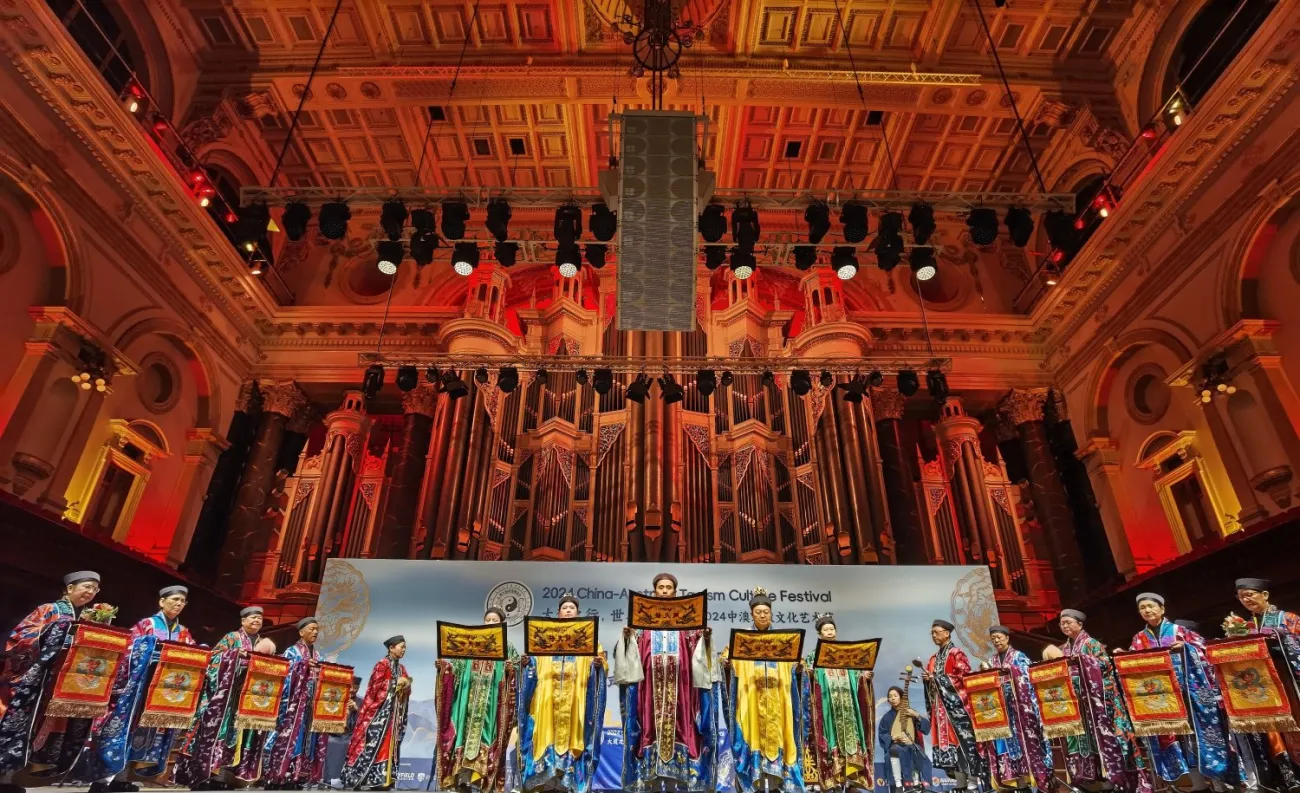
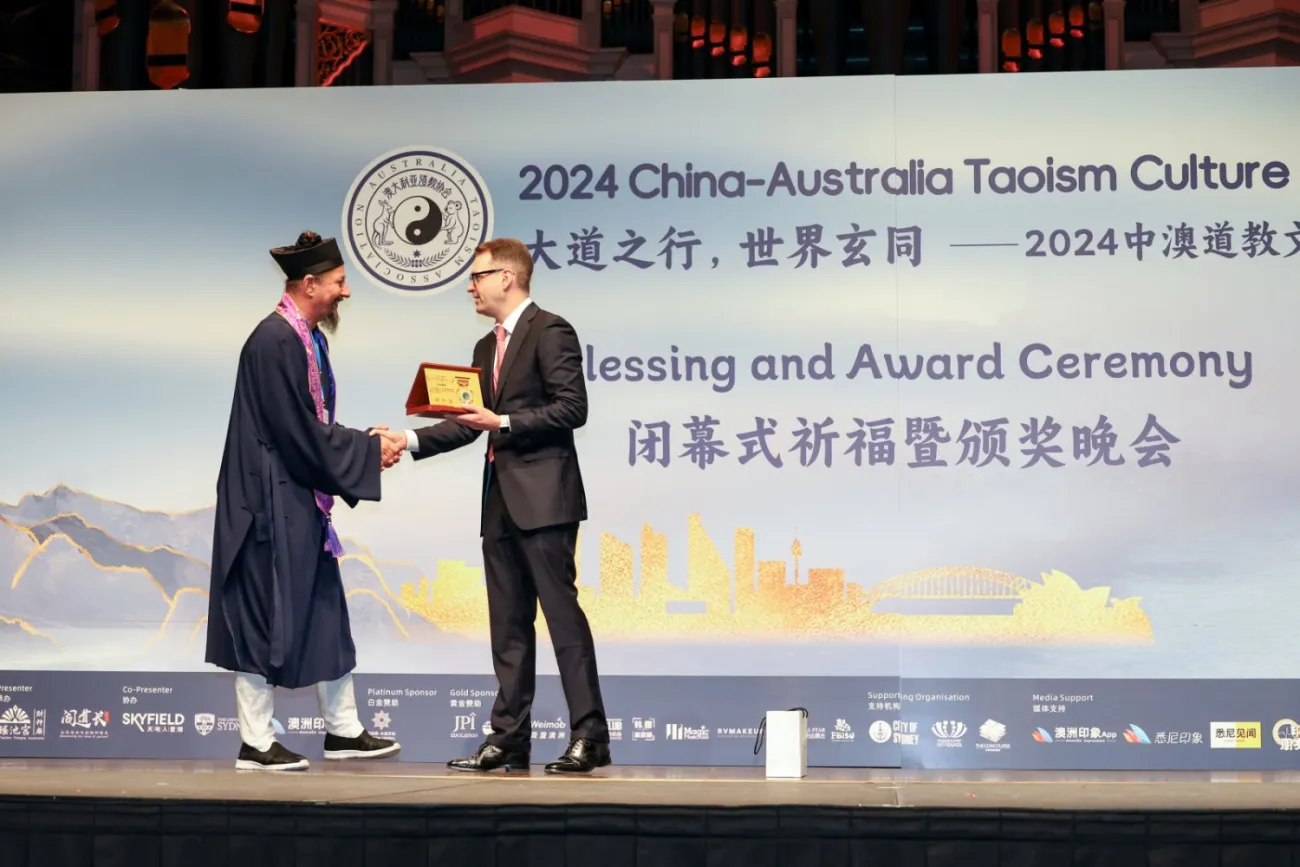
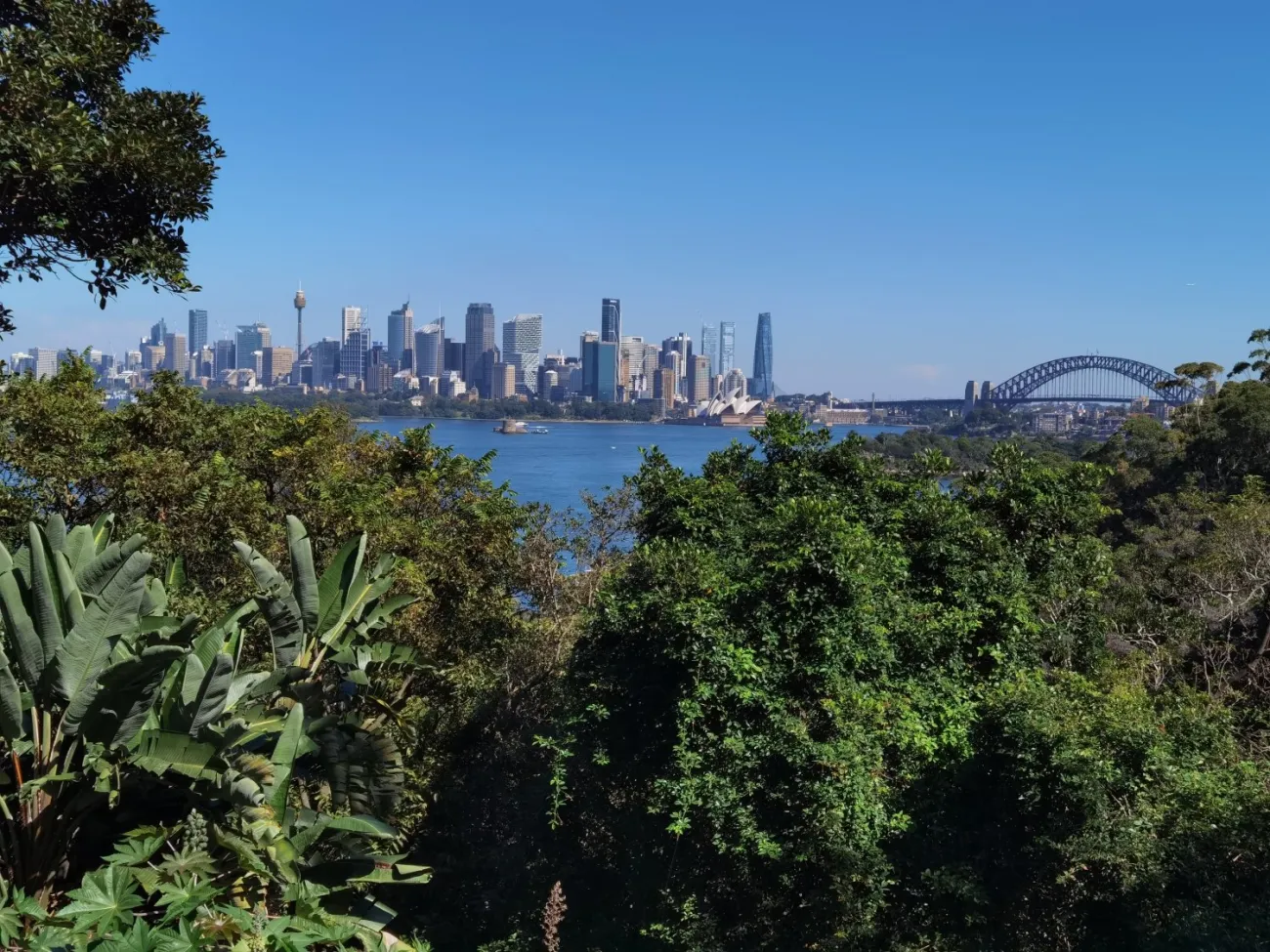
At the invitation of Yan Meixi, President of the Australian Daoist Association, Rector Yuan Weiqi, a representative of the Slovenian Daoist Temple of Supreme Harmony, attended the Chinese-Australian Daoist Culture Festival in Sydney on April 14, 2024. As part of the event, he gave a lecture at the University of Sydney on interfaith dialogue as a foundation for a more peaceful and tolerant society.
The starting point of the lecture, titled How Interfaith Dialogue Can Contribute to a More Harmonious Society, was the thought of the Swedish theologian and thinker Emanuel Swedenborg that all religions are connected with life, and that the life of religion is to do good. This thought reveals that all religions, regardless of differences in rituals, symbols, and teachings, strive toward the same goal: the good of the human being and of humanity. This shared starting point is precisely the condition for meaningful dialogue.
Humanity has come a long way in the field of interfaith understanding. In 1893, the first World’s Parliament of Religions was held in Chicago as part of the World’s Columbian Exposition. Around 400 representatives of 41 religions gathered there. Even then, the basic rule was clear: to speak about the positive aspects of one’s own faith, without criticizing others. The Parliament of Religions continues to operate today. Its purpose remains to nurture harmony among the world’s spiritual traditions and to encourage their cooperation with leading institutions in shaping a more peaceful, just, and sustainable world. Two of the reasons for holding the event remain relevant today:
To promote and deepen the spirit of human brotherhood among believers of different faiths through friendly conferences and mutual good understanding, without focusing on encouraging indifference or striving to achieve any formal and external unity.
To bring the nations of the world together into a more friendly community in the hope of securing lasting international peace.
The Universal Declaration of Human Rights of the United Nations affirmed the equality of all people in 1948, which is a prerequisite for the equal treatment of all religions. In 2010, World Interfaith Harmony Week was established, promoting a culture of peace and nonviolence every year during the first week of February. In Barcelona, the UNESCO Association for Interreligious Dialogue (AUDIR) took a more personal approach and, since 2016, has organized La Nuit de les Religions, or the Night of Religions, in which religious communities open the doors of their sanctuaries and thereby offer visitors a direct religious experience. The SDT took part in the 3rd Night of Religions in 2018.
The authors of the lecture devoted special attention to the role of Daoism, the indigenous Chinese religion, which historically did not know missionary activity. Daoism did not seek believers; individuals discovered it on their own. Nevertheless, today it is actively involved in interfaith dialogue.
This is reflected in events and collaborations. Among them are: the international conference Christians and Daoists in Dialogue: Communicating with the Heart, held in Naples in May 2023 and also attended by representatives of the Slovenian temple; contributions to the Slovenian Catholic scholarly journal Edinost in dialog, which will be the first time Daoism is presented in this publication; the partnership with the Chinese temple Chongdao Gong and cooperation with respected academics in the field of Daoist thought.
Although Slovenia is a small country, its interfaith landscape is surprisingly diverse. As many as 57 religious communities are registered. The Slovenian Daoist Temple of Supreme Harmony is establishing itself in this space gradually but steadily: through open days, lectures, meditations, and efforts to connect with other religious communities. It is working to organize an interfaith symposium at the national level, and has already established contacts with the Franciscan monastery at Sveta Gora and the Faculty of Theology in Ljubljana.
The lecture emphasizes that change does not come from above, from leaders or institutions, but from the individual.
Every person carries within themselves the potential for harmony, and their actions affect everyone around them. In Daoist thought, these are the principles of yin and yang. In his writings, the Spanish philosopher, theologian, and scholar of religion Raimon Panikkar Alemany often emphasized the importance of recognizing the interconnectedness of all religions and the need for a holistic approach to spirituality that would move beyond narrow sectarian boundaries.
In Panikkar’s words: Every person is a knot in a web of relationships that reaches to the very antipodes of reality. An isolated individual is incomprehensible. A human being is human only with Heaven above, Earth below, and fellow human beings around them.
The three energies of Heaven, Earth, and the human being, known as San Cai (三才), are also one of the pillars of much older Daoist thought. The relationships among them either create harmony or lead to disharmony between people and nature, and between the individual and society.
The lecture concludes with the metaphor of a tree: the seeds we sow today through mutual understanding and respect will bear fruit for our descendants. We do not necessarily need to harvest them ourselves; it is enough that we plant them.
You can read the full lecture in the attachment.